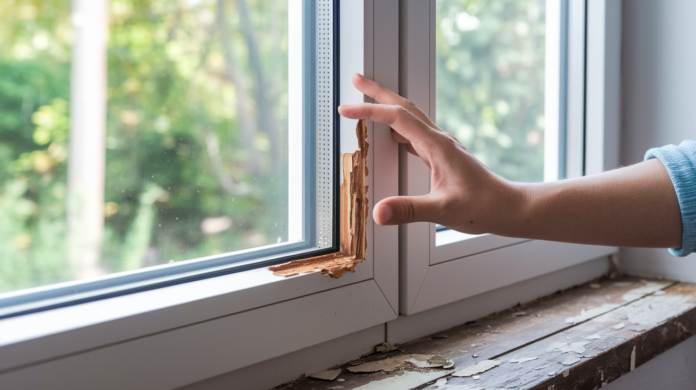

Most contractors lowball window sill estimates because they quote what they can see, not what’s hiding underneath. By the time they cut into that painted surface and find rot spreading into the framing, your $200 patch job just became a $600 rebuild. The real cost of window sill repair depends less on the sill itself and more on how far the damage has traveled before you caught it, what material actually makes sense for your climate, and whether the water source that caused the problem is still active.
What You’ll Pay for Window Sill Repair in 2025
Window sill repair costs run between $150 and $350 for most jobs, while full replacement ranges from $250 to $800 per sill. The national average sits around $400 for replacement work, with repair jobs typically landing closer to $200 to $300 when the damage is still manageable. The fundamental question isn’t just about money. It’s about whether the existing sill can be saved or needs to come out entirely.
Repair makes sense when you’re dealing with surface scratches, minor cracks, or cosmetic paint damage that hasn’t compromised the structure. Replacement becomes necessary when the sill shows soft or spongy wood, visible rot that penetrates beyond the surface, water pooling that indicates drainage failure, or structural damage affecting how the window sits in the frame. If you can push your thumb into the wood or see dark discoloration that runs deep, repair won’t hold.
Several factors determine where your project lands within these ranges. Material choice drives the baseline cost, with vinyl and aluminum on the low end and stone or custom hardwood at the top. Damage extent matters more than most homeowners expect. What looks like a small problem on the surface often reveals deeper rot once work begins. Labor requirements shift based on window accessibility, with second floor and specialty windows adding both time and equipment costs to the bill.
Epoxy patch repairs ($150–$225) use marine grade epoxy to fill small cracks and surface damage on otherwise sound wood, typically drying in 24 hours. Partial repairs ($200–$300) cut out damaged sections and splice in new material, matching existing profiles when possible. Standard replacement ($250–$500) covers full sill removal and installation with basic materials like vinyl, PVC, or pine in accessible locations. Complex replacement ($500–$800) tackles bay windows, second story access, or hardwood materials requiring custom fitting and interior finishing. High end material replacement ($800–$1,100) involves stone, premium hardwood, or historic restoration work with specialty materials and extended installation time.
Accurate damage assessment determines which category applies to your situation. A contractor who inspects the sill from underneath and checks for moisture in the wall cavity gives you the real picture, not just what’s visible from inside the room.
Material Types and Their Impact on Repair Costs

Material choice creates a wide cost spread that compounds over the lifespan of the repair. A vinyl sill at $5 per linear foot might seem like the obvious budget pick, but if you’re in a humid coastal area or dealing with severe sun exposure, spending $25 per linear foot on composite material can prevent a second repair job three years later.
Matching material to window location and climate exposure determines long term value. South facing windows take UV punishment that degrades wood and vinyl faster. Bathrooms and kitchens need moisture resistant materials that won’t trap water and grow mold. Historic homes often require wood to match existing profiles, even though maintenance demands are higher.
| Material Type | Cost Per Linear Foot | Durability Rating | Best Use Case |
|---|---|---|---|
| Vinyl | $5–$20 | Good (15–20 years) | Budget projects, low moisture areas, modern homes needing minimal maintenance |
| Wood (Pine/Cedar) | $7–$40 | Fair to Good (10–25 years) | Historic homes, interior sills, areas where appearance matters and maintenance is acceptable |
| Aluminum | $8–$20 | Excellent (25+ years) | Coastal areas, commercial buildings, anywhere corrosion resistance is critical |
| Composite | $10–$25 | Excellent (20–30 years) | High moisture locations, exterior sills with weather exposure, rot prone areas |
| Fiberglass | $8–$20 | Very Good (20–25 years) | Moderate climates, situations requiring lightweight but durable material |
| Tile | $10–$45 | Excellent (20–30+ years) | Bathrooms, kitchens, Mediterranean or Spanish style architecture where tile is design feature |
| Stone (Granite/Marble) | $20–$80 | Exceptional (30+ years) | High end homes, historic buildings, anywhere permanence and appearance justify premium cost |
Labor Costs and Professional Installation Pricing

Labor dominates the total bill, accounting for 80% to 90% of what you’ll pay for window sill work. That’s not contractor markup. It’s the reality of careful removal, surface prep, precise fitting, and proper sealing that prevents callbacks.
National average hourly rates for sill work run $63 to $75, with most standard window replacements taking 1 to 2 hours once materials are on site. A straightforward single hung window with good access might be done in 90 minutes. Bay or bow windows with interior trim work and multiple angles can stretch to 4 or 5 hours, especially if the contractor discovers frame damage that needs addressing before the new sill goes in. That time includes removing the old sill without damaging surrounding trim, prepping the substrate so the new sill bonds properly, fitting and fastening the replacement, and applying sealant that creates a weathertight assembly.
Regional differences reflect local cost of living and market conditions. Illinois averages $75 per hour, Wisconsin runs about $68 per hour, and North Carolina typically comes in around $63 per hour. Those gaps add up on longer jobs, but they also correlate with local material costs and overhead.
Hourly rates apply when scope is uncertain or the contractor expects to find hidden damage during tearout. Flat rate pricing works for straightforward replacements where the contractor can accurately assess the job from photos or a quick site visit. Flat rates typically include removal, installation, basic caulking, and cleanup, but not painting, staining, or extensive trim repair. If the estimate says “per window” without specifying what’s included, ask whether interior finishing, exterior paint touchup, or trim replacement costs extra.
Comprehensive Cost Factors That Affect Window Sill Pricing
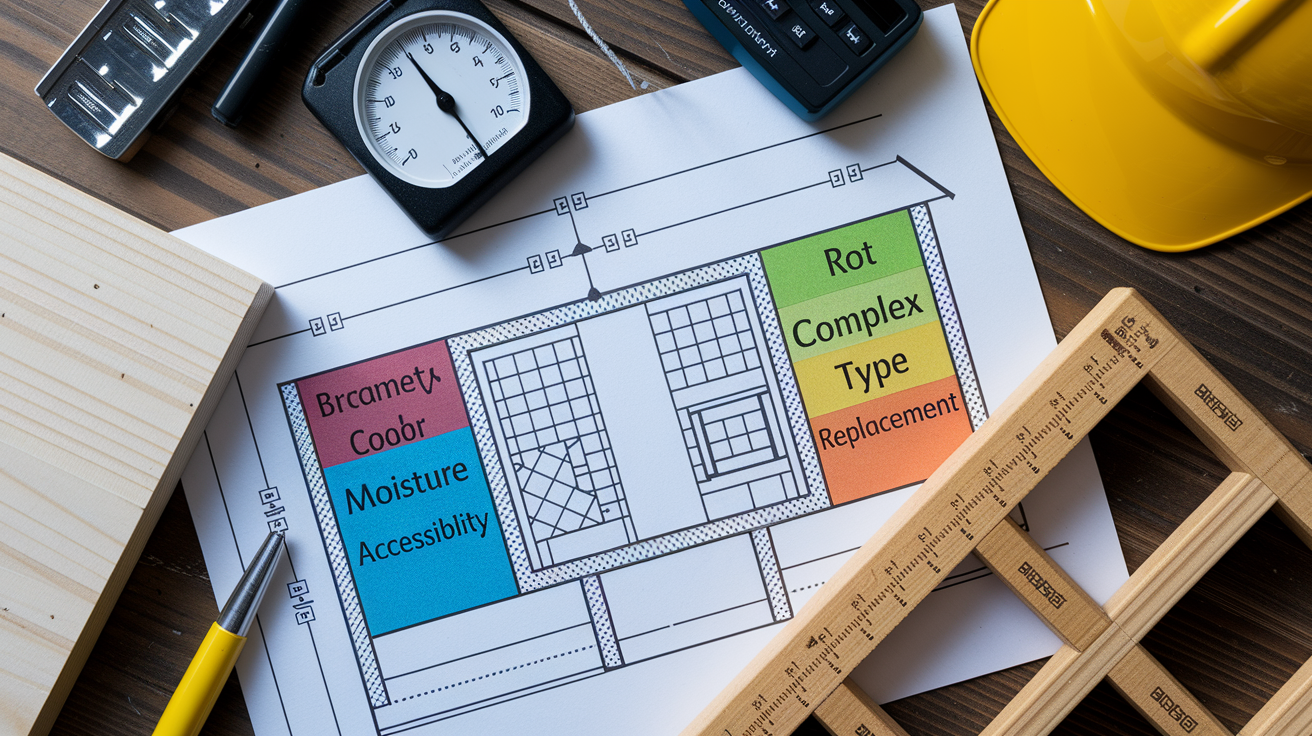
Damage severity creates the widest cost swings in window sill work. Surface scratches and paint failure are cosmetic problems with straightforward fixes. Soft, spongy wood that compresses when you press it indicates rot that’s eating away structural integrity, and those situations require cutting back to solid material before any repair holds. Water stains that spread across the sill or down the wall below signal moisture problems in buildings that will destroy any repair unless the source gets fixed first.
Window accessibility directly impacts labor time and equipment needs. First floor windows with clear access from both inside and outside are straightforward. Second floor windows require ladder setup, safety equipment, and extra time moving materials up and stabilizing work platforms. If the contractor needs scaffolding for third floor or difficult access situations, that’s a separate line item that can add $200 to $400 to the project.
Window type and size determine material quantities and installation complexity. A standard 3 foot double hung window uses less material and fits simpler profiles than a 6 foot sliding window or an 8 foot bay window assembly. Specialty windows like bays, bows, and picture windows often need custom cut sills, multiple pieces joined at angles, and interior finishing work that extends well beyond basic sill replacement. Casement windows typically have narrower sills than sliders, which translates to less material cost but similar labor time.
Surface scratches and minor paint damage ($150–$200) involve sanding, filling small gaps, repainting, or applying fresh finish to otherwise sound material. Peeling paint with minor cracks ($200–$250) requires paint removal, crack filling with flexible caulk, repriming and refinishing, checking that substrate is still solid. Soft spots in localized areas ($250–$350) mean cutting out damaged sections, treating surrounding wood with consolidant, splicing in new material, blending repair. Visible rot with structural compromise ($350–$500) demands removing all affected material, treating framing if rot spread, installing full new sill, verifying water source is eliminated. Extensive rot affecting frame ($500–$700) needs sill and partial frame replacement, sistering or rebuilding damaged framing members, addressing wall cavity moisture. Complete structural failure requiring framing work ($700–$1,100) involves full sill and frame reconstruction, potential window removal and reinstallation, wall repair, moisture remediation.
Trim work, painting, and finishing are often bundled with sill replacement but sometimes quoted separately. Interior stool and apron trim that sits on top of the structural sill might need removal and reinstallation. Exterior trim underneath the sill could reveal additional rot once removed. Painting or staining new wood sills to match existing finishes adds $25 to $50 per window when done professionally, though some contractors include basic finish in their base price while others quote it as an add on.
Multi window projects unlock per unit savings through shared mobilization costs and material efficiency. Replacing three sills in one visit costs less per window than three separate service calls because trip fees and setup time get split across the job. Volume material purchases sometimes qualify for contractor discounts that get passed through to the customer. The catch is that hidden damage discovered during the first window might repeat across all of them, turning a predictable quote into a revised estimate once the full scope becomes clear. Contractors experienced with older homes often build contingency allowances into multi window bids because they know rot rarely stays isolated to one location.
DIY Window Sill Repair Versus Hiring Professionals

DIY sill replacement can save 50% to 70% of the total cost, averaging around $360 per window, since professional labor typically represents 80% to 90% of the bill as detailed in the labor cost section. That’s real money, especially when multiple windows need work.
DIY material costs run $60 to $300 depending on region and material choice. North Carolina averages $60 to $220, Wisconsin runs $65 to $230, and Illinois materials cost $75 to $250 for a typical sill. You’ll also need tools if you don’t already own them. A circular saw or miter saw for cutting material ($100–$300), a reciprocating saw for removal ($80–$150), an oscillating multi tool for detailed cuts around trim ($80–$200), clamps ($20–$60), sealant guns ($10–$15), and appropriate safety gear including eye protection, dust masks, and work gloves. Finishing supplies like sandpaper, primer, paint, and caulk add another $30 to $80. If you’re working with tile or stone, specialty blades and setting materials push costs higher.
Hidden costs accumulate beyond materials and tools. Time investment for a first time DIYer typically triples what a professional needs. That 90 minute pro job might take you 4 to 6 hours including tearout, multiple trips to the hardware store for forgotten items, and figuring out installation details from online guides. The learning curve is real when it comes to creating weathertight installations. Improper sealing is the most common renovation mistake in DIY window work, leading to water infiltration that causes worse damage than the original problem. If the repair fails and you end up hiring a contractor to fix it, you’ve spent money twice. Once for materials you couldn’t use properly and again for professional correction.
DIY makes sense for minor surface damage that doesn’t involve structural wood replacement. Filling small cracks with epoxy, sanding and repainting weathered but solid sills, or replacing simple vinyl sills with clear installation instructions. Professional hiring delivers better value when dealing with deeper rot that requires cutting into framing, historic windows where incorrect work damages irreplaceable material, or structural issues where improper installation compromises window performance and creates ongoing moisture problems. The higher upfront cost buys installation that lasts and doesn’t create new problems that cost more to fix later.
Regional Cost Variations Across the United States
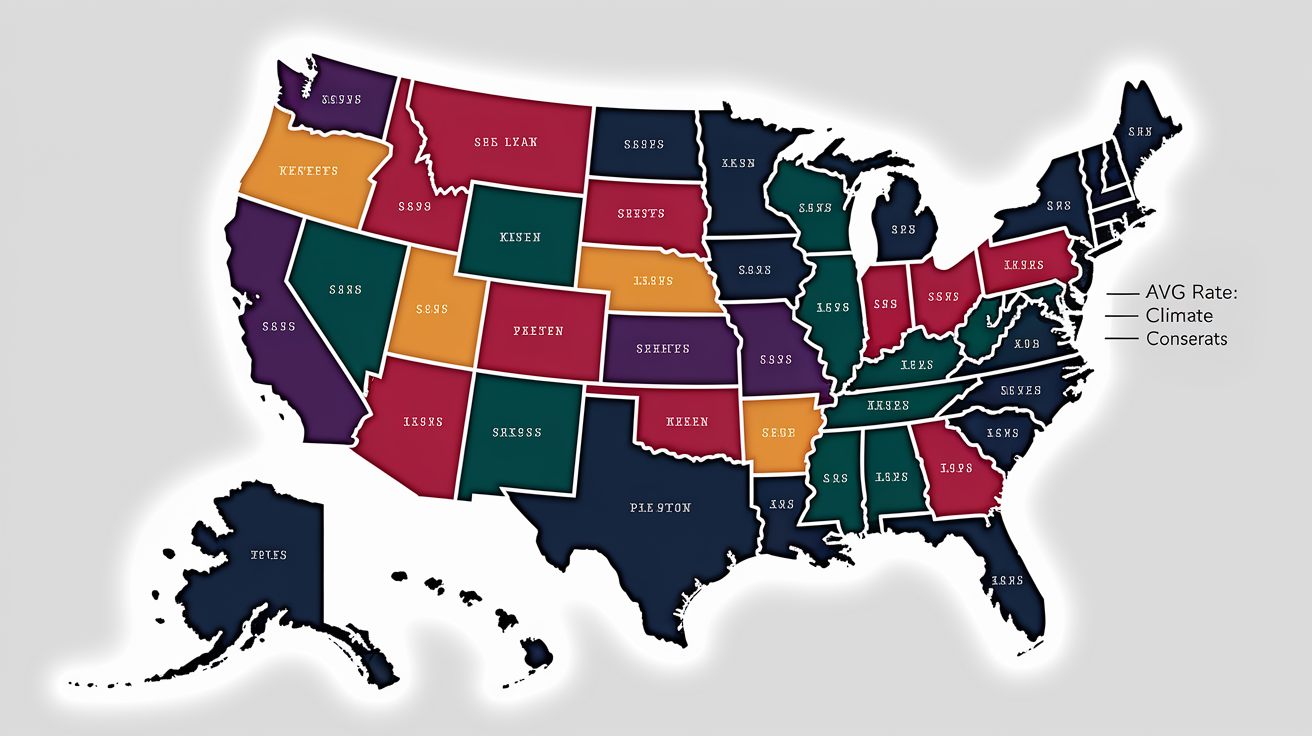
Regional labor rates create a $12 per hour spread across major markets, which translates to $15 to $60 in total labor cost difference on a typical 1 to 2 hour job, though longer projects magnify that gap. Cost of living drives most of this variation. Contractors in high cost metro areas need higher rates to cover overhead and living expenses, while smaller markets and lower cost regions can charge less and still maintain profitable operations.
Climate specific requirements add material and labor costs beyond base pricing. Wisconsin’s sub zero winters demand thermal rated caulking and frost resistant adhesives that add approximately 5% to material costs compared to standard products. Coastal North Carolina needs mold resistant sealants in high humidity environments, adding roughly 10% to baseline prices, with hurricane prone areas sometimes requiring reinforced materials and attachment methods that comply with wind load standards. Illinois properties near Lake Michigan often need moisture barrier treatments that add 3% to 7% to costs due to persistent dampness and freeze thaw cycling. These aren’t optional upgrades. They’re necessary specifications for installations that survive local conditions.
| Region | Average Labor Rate | Special Requirements | Price Range |
|---|---|---|---|
| Midwest (IL, WI, MI) | $68–$75/hour | Freeze thaw adhesives, thermal caulking, extended curing in cold weather | $220–$680 |
| South (NC, SC, GA) | $63–$70/hour | Mold resistant sealants, UV stable materials, hurricane compliance in coastal zones | $260–$680 |
| Northeast (NY, MA, PA) | $75–$85/hour | Historic preservation compliance, winter weather protocols, moisture barriers | $280–$750 |
| West Coast (CA, OR, WA) | $80–$95/hour | Seismic attachment requirements, energy code compliance, rot resistant materials for wet climates | $300–$850 |
| Mountain States (CO, UT, ID) | $65–$72/hour | Extreme temperature range materials, UV protection, altitude curing considerations | $240–$650 |
Getting three local estimates provides accurate budgeting for your specific market and situation. National averages are useful for planning, but the contractor who inspects your actual windows and understands local code requirements gives you numbers you can trust.
Cost Saving Strategies Without Compromising Quality

Strategic material selection saves $25 to $75 per window on average without sacrificing performance when the choice matches the application. Vinyl or aluminum sills work fine for interior windows in climate controlled spaces where appearance isn’t the primary concern. Wood sills make sense where they’ll be seen and maintained, but using clear pine instead of premium hardwood cuts costs while still delivering solid performance after proper sealing and painting.
Project bundling and multi window scheduling reduces labor costs by up to 15% compared to separate service calls. Contractors split trip fees across multiple units and work more efficiently when they can stage materials once and maintain continuous workflow. If four windows need work, scheduling them together saves $80 to $150 compared to four individual appointments. The same principle applies to combining sill repair with other window maintenance like reglazing, weatherstripping replacement, or exterior trim painting. Shared mobilization means lower per task costs.
Splitting tasks between professional and DIY work captures labor savings on less critical steps while keeping installation quality high on structural components. Hiring a contractor to remove damaged sills, install replacements, and seal them properly, then handling finishing work yourself, saves $25 to $50 per window on painting and staining. If you’re comfortable with tile work, having a pro install the substrate and doing the tile setting yourself can save up to $100 per window, though improper tile installation can trap moisture and create worse problems than you started with.
Preventative maintenance reduces future major repair needs by catching problems before they become expensive. Inspecting sills twice a year for paint failure, caulk gaps, or early soft spots allows simple fixes that cost $50 to $150 instead of full replacements. Keeping gutters clean prevents overflow that soaks window sills from above. Maintaining proper grading so water drains away from the foundation stops moisture from wicking up through walls and attacking sills from behind. Applying fresh sealant every 3 to 5 years, which costs about $10 per window in materials, prevents water infiltration that leads to $400 replacement jobs.
Permits, Inspections, and Hidden Compliance Costs

Most jurisdictions don’t require permits for cosmetic sill repair or direct replacement that doesn’t alter window size or structural framing. If you’re swapping a rotted wooden sill for a new wooden sill of the same dimensions without changing the window itself, that typically falls under minor repair work exempt from permitting. Expanding window openings, modifying structural framing, or replacing windows and sills as part of larger renovation work often triggers permit requirements and associated fees ranging from $50 to $200 depending on local regulations.
Inspection requirements vary significantly by location and project scope. Some municipalities require inspections for any exterior work visible from the street, particularly in historic districts where changes to window appearance need preservation board approval before work begins. Energy code compliance inspections apply when window or sill replacement is part of larger projects that must meet current thermal performance standards. Failed inspections require corrections before final approval, and if work was done without required permits, some jurisdictions mandate tearing out completed work for inspection before covering it back up, which doubles the labor cost.
Specialized building codes in coastal areas, historic districts, and extreme climate zones add compliance requirements that increase material and installation costs. Florida and North Carolina coastal properties must meet hurricane rated attachment standards, often requiring specific fastener schedules and reinforcement that add $75 to $150 per window. Historic districts may mandate specific materials, profiles, or finishes that limit contractor options to more expensive suppliers. California’s strict energy codes require thermal breaks and air sealing that add $40 to $100 per window compared to basic installations in less regulated areas. Wisconsin properties in areas with 6.25% sales tax on materials pay about $15 to $30 more per window than Wisconsin properties with 5% tax, purely from rate differences.
How Window Sill Condition Affects Energy Efficiency and Home Value

Damaged window sills create air leaks that force heating and cooling systems to work harder, directly increasing utility costs. Gaps where the sill meets the frame or wall allow conditioned air to escape and outside air to infiltrate. A single poorly sealed window can lose 10% to 30% of the heating or cooling energy directed at that room. Water infiltration through failed sills doesn’t just rot wood. It saturates wall insulation, reducing its R value by up to 50% when wet and creating thermal bridges that bleed heat in winter and let it in during summer. The combined effect of air leakage and compromised insulation can add $10 to $20 per month to utility bills for each affected window, or $120 to $240 annually.
Properly maintained window sills contribute significantly to home value and buyer perception during inspections and walkthroughs. Real estate inspectors specifically check window sills for rot, water stains, and poor sealing because those problems signal larger moisture issues that concern buyers and lenders. Visible sill damage gives buyers negotiation leverage to demand repairs or price reductions, often in amounts exceeding actual repair costs because the perception of “water damage” triggers disproportionate concern. Fresh, well sealed sills demonstrate maintenance attention that increases buyer confidence and can justify premium pricing compared to comparable properties with visible deterioration.
Addressing sill problems promptly prevents escalating damage that costs far more to correct later. A $200 repair for early soft spots stops rot from spreading into the window frame and wall framing, which becomes a $700 to $1,100 structural repair if ignored. Over a 10 year period, properly maintained sills deliver approximately $120 in energy savings by preventing air leakage and insulation degradation. That doesn’t match the $300 to $350 in energy savings from full window replacement, but at a quarter of the cost, sill only work often makes better financial sense when frames and glazing are still sound.
Timeline and Scheduling Considerations for Sill Repairs

Single standard window sill replacements take professionals 1 to 2 hours from start to cleanup, assuming no hidden damage and good access from both inside and outside. That includes removing the old sill without damaging trim, prepping the surface, installing and fastening the new sill, applying sealant, and basic cleanup. Bay or bow windows with multiple angles and interior finishing work stretch to 4 or 5 hours due to custom fitting requirements and the need to match intersecting sill pieces at compound angles.
Seasonal factors affect both scheduling availability and material performance during installation. Cold weather in northern climates causes curing delays for adhesives and sealants. Products that set in 24 hours at 70 degrees might need 3 to 5 days below 40 degrees. Wisconsin contractors add approximately 5% to winter project costs to account for extended cure times and the need for temporary heat if work requires controlled temperatures for proper bonding. Summer humidity in southern states can extend paint and stain drying times by 50% to 100%, requiring longer job site protection and additional return visits for finish coats. Spring and fall offer optimal conditions in most regions, which also makes them peak seasons with longer contractor lead times and less scheduling flexibility.
Lead times for contractors vary by season and local market conditions. During spring and fall peak seasons, established contractors may be booked 3 to 6 weeks out for non emergency work. Winter and summer shoulder seasons often allow scheduling within 1 to 2 weeks. Material availability rarely causes delays for standard sills using common materials like vinyl, PVC, or pine, which stock at local lumber yards and home centers. Custom hardwood sills, specialty stone, or historic reproduction profiles may require 2 to 4 weeks for sourcing and fabrication, especially if templates need to be made from existing profiles. If you’re planning sill work as part of larger renovations, order custom materials before the contractor needs them to avoid holding up the schedule.
What to Expect During Professional Sill Repair Service
Initial assessment starts with visual inspection from inside and outside, looking for obvious damage like cracks, soft spots, or water stains. The contractor should check underneath the sill with a flashlight and mirror, probe wood with an awl or screwdriver to find the extent of rot, and inspect wall cavity conditions if possible. Moisture meter readings confirm whether underlying wood and framing are dry enough for new material installation or need time to dry out first. This evaluation determines whether repair is viable or replacement is necessary, and it should identify the water source that caused the damage so that problem gets addressed before installing new material.
The typical repair process follows a logical sequence that prevents damage to surrounding elements while ensuring the new sill performs properly. First comes careful removal of interior trim if necessary, then cutting or prying out the damaged sill section, working slowly to avoid cracking plaster or damaging the window frame. Surface prep involves scraping remaining adhesive, sanding rough spots, treating any remaining wood with preservative or consolidant, and verifying the substrate is solid and level. New sill installation includes dry fitting to confirm proper sizing and clearances, applying construction adhesive or sealant to bedding surfaces, positioning the sill, fastening it with appropriate screws or nails driven into solid framing, and checking that it’s level and properly sloped to shed water. Final sealing applies a continuous weathertight bead of caulk where the sill meets the frame, wall, and window, tooled smooth to prevent water trapping.
Cleanup includes removing cutoff pieces, sweeping dust, wiping surfaces, and touching up any paint or caulk that got disturbed during installation. Quality contractors vacuum the work area and wipe down window glass and frames so the space is cleaner than they found it. Final inspection checks that the sill is secure, properly sealed, and functions correctly with the window operation.
Warranties on professional sill work typically cover materials and labor for 1 to 5 years depending on the contractor and materials used. Material manufacturers often provide separate warranties covering defects, rot resistance, or finish durability for periods ranging from 10 years for vinyl to lifetime warranties on some composite and stone products. Workmanship guarantees should cover installation failures like leaks, loose sills, or separation from the frame, but they typically exclude damage from sources not addressed during the original work, like ongoing gutter overflow or foundation moisture that was beyond the scope of the sill project. Quality contractors return for brief follow up inspections after the first seasonal weather cycle to confirm the installation is performing correctly and address any minor adjustments needed for long term success.
Final Words
Window sill repair cost ranges from $150 for basic epoxy patches to over $1,100 for extensive replacement with premium materials.
Most projects fall between $250 and $500 when you factor in moderate damage, standard materials, and professional labor.
Getting multiple estimates helps you understand where your specific situation lands in that range. Match material choice to your climate and budget, address moisture problems early before they spread to framing, and bundle multiple windows when possible to cut per-unit costs.
Fix it right the first time and you won’t be back here pricing the same repair twice.
FAQ
How much should it cost to replace a window sill?
Window sill replacement should cost between $250 and $800 per sill for average-sized installations measuring 3 to 8 linear feet. Most homeowners pay around $400, though costs vary based on material choice, damage extent, and labor rates in your area.
How much does it cost to replace a window sill?
Replacing a window sill costs $250 to $800 per sill on average, with most projects falling around $400. Small vinyl or aluminum sills may cost as low as $100, while wooden sills on larger bay windows can reach $1,100 including professional labor.
Can I replace a window sill without removing the window?
You can replace a window sill without removing the window in many cases, especially for partial repairs or when working with platform-style sills. However, full replacement of integrated sills may require window removal to access fasteners and ensure proper sealing against moisture infiltration.
How much does it cost to fix a sill plate?
Fixing a sill plate costs significantly more than window sill repair, typically ranging from $1,500 to $5,000 or more depending on damage extent. This structural repair involves foundation-level work and is different from cosmetic window sill replacement.
What’s the difference between window sill repair and replacement costs?
Window sill repair costs $150 to $350 for cosmetic damage like surface scratches or minor cracks, while replacement costs $250 to $800 for structural issues. Repair addresses surface problems, but replacement is necessary when wood becomes soft, shows visible rot, or allows water infiltration.
How much do epoxy patch repairs cost for window sills?
Epoxy patch repairs for window sills cost $150 to $225 when completed by professionals. This method works for minor localized damage and soft spots but isn’t suitable for extensive rot or structural compromise requiring full sill replacement.
Do different window sill materials affect repair costs?
Different window sill materials significantly affect repair costs, ranging from $5 per linear foot for vinyl to $80 per linear foot for stone. Material choice impacts both upfront replacement costs and long-term durability, with wood requiring more maintenance than aluminum or composite options.
How much does labor cost for window sill installation?
Labor costs for window sill installation represent 80% to 90% of total replacement expenses, averaging $320 to $360 per window. Hourly rates vary regionally from $63 to $75 per hour, with standard installations taking 1 to 2 hours and complex bay windows requiring 4 to 5 hours.
Can I save money replacing multiple window sills at once?
Replacing multiple window sills simultaneously reduces per-window costs by up to 15% through split trip fees and bulk material discounts. Contractors often offer volume pricing when scheduling several sills in a single visit rather than separate service calls.
When should I repair versus replace a window sill?
You should repair window sills for cosmetic damage like minor scratches or peeling paint, but replace them when wood feels soft or spongy, shows visible rot, has structural cracks, produces mold smells, or allows water pooling that indicates moisture infiltration.
Do second-floor windows cost more for sill replacement?
Second-floor windows cost more for sill replacement than first-floor installations due to ladder requirements, scaffolding needs, and safety equipment. Upper-story accessibility challenges increase labor time and associated costs for the same repair work.
How much can I save doing DIY window sill replacement?
DIY window sill replacement saves 50% to 70% compared to professional service, averaging $360 saved per window in labor costs. However, material costs still run $60 to $300, and improper installation risks moisture problems that cost more to fix later.
What hidden costs should I expect with window sill repair?
Hidden costs with window sill repair include trip fees, sales tax (4.75% to 6.25% depending on state), potential frame damage discovered during removal, trim replacement, painting, and climate-specific treatments like mold-resistant sealants in humid regions adding approximately 10%.
Do bay windows cost more for sill replacement?
Bay windows cost more for sill replacement due to greater surface area requiring more material and complex interior finishing work. Professional installation takes 4 to 5 hours compared to 1 to 2 hours for standard windows, significantly increasing labor expenses.
Are there seasonal cost differences for window sill repair?
Seasonal cost differences for window sill repair include winter surcharges of approximately 5% in cold climates requiring thermal-rated materials and freeze-thaw scheduling delays. Spring and fall typically offer better scheduling availability and standard pricing without weather-related premiums.