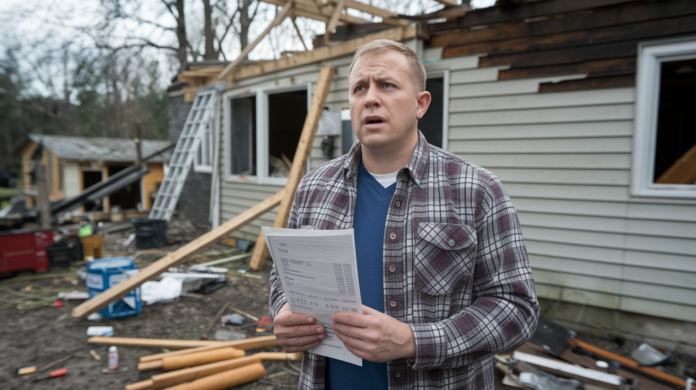

You signed a contract with a guy who seems solid, work starts on schedule, then you discover he has no insurance. What now? State laws in most places treat you as his employer the moment something goes wrong, which means his risks become your financial problem. If a worker gets hurt or the project damages your neighbor’s property, you’re paying the bills, the lawyers, and possibly a six-figure judgment that can reach your home equity and retirement accounts.
Direct Risks and Consequences for Property Owners

When a contractor has no insurance, you become financially and legally responsible for injuries, damages, and accidents that happen during the project. State laws often treat you as the contractor’s employer, which shifts liability straight to you. Someone gets hurt or property gets damaged? The bills land on you.
The financial exposure is specific and substantial. Minor workplace accidents generate $20,000 to $50,000 in medical expenses before anyone even talks about lost wages or disability. Legal defense fees easily exceed $50,000 even when you win. Property damage repairs to your home or neighboring properties get paid out of your pocket. Lawsuit judgments against property owners have reached hundreds of thousands of dollars when uninsured contractors caused serious injuries or major structural damage.
The liability transfer follows predictable patterns. A contractor’s employee falls off scaffolding on your property. State workers’ compensation laws may require you to cover medical expenses, lost wages, and permanent disability claims. Contractor work causes a plumbing failure that floods your neighbor’s basement. You pay for repairs, displaced living costs, and damaged belongings. A contractor’s helper injures a site visitor. You handle the medical bills and potential lawsuit.
Asset seizure becomes real when the uninsured contractor can’t pay damages and you’re held liable. Courts can pursue your home equity through liens, empty savings accounts and retirement funds, seize vehicles and equipment, and garnish future wages until the judgment is satisfied. The contractor may declare bankruptcy and walk away. You can’t.
Understanding Contractor Insurance Types and Coverage Gaps

Contractors should carry two critical insurance types for homeowner protection: general liability and workers’ compensation.
General liability insurance covers property damage and third party bodily injuries that contractors cause during work. If the contractor’s crew damages your foundation while digging, breaks a gas line, or drops tools that injure a neighbor walking by, general liability handles the claims. Standard policies start at $1 million coverage with options for higher limits on complex projects. This coverage pays for legal defense, settlements, medical expenses, and property repairs up to policy limits.
Workers’ compensation insurance covers medical expenses and lost wages when contractor employees get injured on the job site. Most states legally require contractors to carry workers’ comp if they have employees, with violations triggering fines from $10,000 to over $100,000. This insurance prevents injured workers from suing you directly. Without it, the worker files a claim against you.
Coverage gaps create exposure even when insurance exists. Expired policies leave zero protection despite the contractor showing you an old certificate. Coverage limits may be too low for the actual damage amount, leaving you to pay everything above the policy cap. Policies with exclusions for certain work types like demolition or hazardous material removal create gaps where the contractor claims they’re covered but the insurer denies the claim. General contractor policies often exclude subcontractor work. So when the electrician they hired burns down your garage, nobody’s insured.
Comprehensive Liability Scenarios and Legal Responsibility

Premises liability makes you legally responsible for maintaining safe conditions, which extends to contractor work performed on your property. Courts view you as controlling the work site. That means you have a duty to ensure safe operations even when you hired someone else to do the work. When accidents happen during construction or renovation, injured parties sue you first because that’s where insurance and assets typically exist.
Vicarious liability laws in many states legally treat you as the contractor’s employer when the contractor operates without proper insurance or licensing. The legal theory holds that if you hired and directed the work, you become responsible for the contractor’s actions and omissions. This applies even when your contract says the contractor is an independent party. State workers’ compensation boards particularly enforce this doctrine, requiring property owners to pay injured worker claims when the contractor lacks coverage.
Cascading subcontractor liability flows upward through the contractor chain. When a general contractor hires an uninsured electrician, plumber, or roofer for specialized trades, liability climbs from the subcontractor to the general contractor, then to you. The injured electrician sues everyone involved. The general contractor may have insurance but it excludes subcontractor incidents. The electrical subcontractor has no coverage. That leaves you holding the claim.
Specific accident scenarios carry predictable financial consequences. A contractor falls from a ladder while installing gutters, suffering a back injury requiring surgery, six months of lost wages, and permanent partial disability. The total claim reaches $150,000 in medical expenses, $45,000 in lost income, and $200,000 for pain and suffering. A contractor’s cutting torch work starts a fire in your attic that spreads to your neighbor’s townhouse, causing $180,000 in fire damage, $30,000 in smoke remediation, and $15,000 in temporary housing costs while repairs happen. A contractor’s employee steps on a rotted deck board you asked them to replace, crashes through the deck, and breaks both legs with compound fractures requiring multiple surgeries and a year of rehabilitation costing $280,000.
Courts seize specific assets when uninsured contractors can’t pay judgments and liability falls on you. Home equity gets targeted first through property liens that must be paid before you can sell or refinance. Personal savings and checking accounts face immediate garnishment orders. Retirement accounts including 401(k) and IRA funds can be seized in many states despite federal protections. Business assets including equipment, inventory, and accounts receivable get liquidated. Vehicles beyond one personal car per household member can be seized and sold. Future wages face garnishment of 25% of take home pay until the full judgment plus interest is satisfied.
You must verify subcontractor insurance even when the general contractor claims everything is covered. Contract agreements should require certificate of insurance documentation for every subcontractor before they start work on your property. General contractors frequently claim their insurance covers all workers on site, but policies typically exclude subcontractor liability or carry per occurrence limits that quickly exhaust when multiple trades work simultaneously. Request certificates directly from subcontractors, verify coverage with their insurance companies, and make certificate delivery a condition before allowing anyone new on site.
Immediate Actions When You Discover Your Contractor Is Uninsured

Stop work immediately the moment you discover your contractor lacks required insurance. Every additional hour of work increases your liability exposure.
- Stop all work immediately and document the work stoppage in writing with a dated letter or email stating you are halting the project due to lack of required insurance coverage
- Request proof of insurance with a specific deadline of 24 to 48 hours requiring current certificates of insurance for general liability and workers’ compensation with policy numbers, coverage amounts, and expiration dates
- Document all work completed to date with photos and written descriptions including what’s finished, what’s in progress, materials on site, and current condition of the work area
- Review your contract for insurance requirement clauses and breach of contract provisions that specify insurance as a mandatory condition and outline your termination rights
- Contact your homeowners insurance company to report the situation, explain an uninsured contractor has worked on your property, and ask about your coverage if a claim arises from work already completed
Continuing work after discovering the contractor is uninsured makes you complicit. Your awareness converts from unknowing exposure to deliberate risk taking that courts view unfavorably. Insurance companies may deny your claims if they prove you knowingly allowed uninsured contractors to work. At this decision point, weigh the cost of terminating the contract and hiring a new insured contractor against the substantial risk of a workplace injury or property damage claim that could cost ten times the remaining project value.
State Requirements, Legal Penalties, and Enforcement Actions
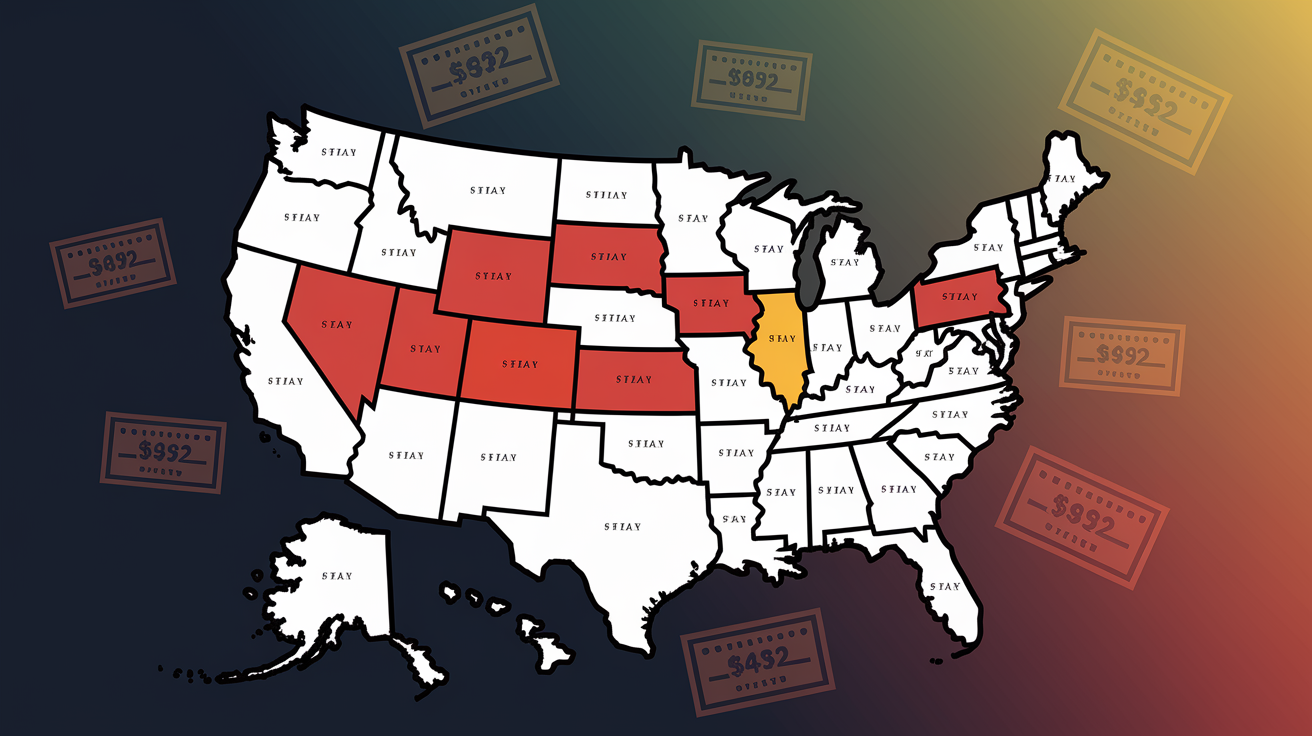
Insurance requirements vary significantly across states with different thresholds triggering mandatory coverage. Workers’ compensation becomes required when contractors have one employee in some states, three employees in others, and five or more in a few jurisdictions. General liability insurance requirements for contractor licensing differ by state, with some requiring $500,000 minimum coverage, others mandating $1 million, and certain states having no insurance requirement for license issuance but requiring it for permit pulls and commercial work.
Contractors face a comprehensive range of penalties when operating without required insurance. Civil fines for workers’ compensation violations range from $10,000 in states like Idaho to over $100,000 in California and New York, with penalties assessed per employee and per day of violation. Criminal charges become possible in states like California, Massachusetts, and Pennsylvania when contractors with injured employees are found operating without workers’ comp coverage, carrying misdemeanor or felony charges depending on circumstances. Stop work orders immediately halt active projects when inspectors discover insurance violations, preventing contractors from earning income until compliance is proven while you face incomplete, unsafe job sites.
State licensing boards hold enforcement powers that permanently damage contractor careers. Immediate license suspension occurs when boards receive complaints about insurance violations or when routine audits reveal expired coverage, preventing contractors from pulling permits or bidding insured work. Permanent revocation happens after serious violations, repeat offenses, or when contractors continue working during suspension, creating permanent marks on contractor records that appear in public licensing board databases that clients search before hiring. Working with properly licensed and insured contractors as part of project planning best practices helps avoid these enforcement issues. Check FloodMoldRepair.com planning resources for guidance on contractor selection standards.
Property owners also face penalties for allowing uninsured contractors to work on their property. Fines for legal noncompliance range from $1,000 to $25,000 in states with strict enforcement when property owners knowingly hire unlicensed or uninsured contractors. Potential liability for aiding unlicensed contractor operations exists in states like California where property owners can be sued by injured parties for negligently hiring unqualified contractors, with courts viewing the failure to verify insurance as evidence of negligence.
| State Requirement Category | Typical Threshold | Consequence of Non-Compliance |
|---|---|---|
| Workers’ Compensation Insurance | Required when contractor has 1+ employees (most states), 3+ employees (others) | Fines $10,000-$100,000+, criminal charges possible, immediate stop work order |
| General Liability for Licensing | $500,000 to $1 million minimum coverage to obtain/maintain contractor license | License suspension or denial, cannot pull permits, ineligible for commercial work |
| Commercial Project Insurance | Certificate of Insurance required before work begins on commercial properties | Contract termination, loss of deposit, lawsuit for breach of contract |
| Stop Work Order Triggers | Expired insurance during active project, failure to provide COI when requested | Immediate work halt, daily fines during non compliance, contract termination rights |
| License Revocation Grounds | Multiple insurance violations, working during suspension, serious injury without coverage | Permanent license loss, public record of revocation, potential criminal referral |
Legal Remedies and Claims Process Against Uninsured Contractors

Recovering damages from an uninsured contractor is often difficult because they lack both insurance to pay claims and sufficient personal assets to satisfy judgments. Many operate with minimal business assets, rent equipment rather than own it, and structure their finances to be judgment proof.
Multiple legal pathways exist depending on damage amount and circumstances, each with specific procedures and realistic outcome expectations.
Small claims court handles damages under state limits, typically ranging from $5,000 in some states to $10,000 or $12,500 in others. The process is faster and cheaper than civil litigation, with filing fees around $50 to $100, no attorney required, and hearings scheduled within 60 to 90 days. You present evidence directly to a judge, get a quick ruling, and receive a judgment. Collecting on that judgment is a separate battle. Civil lawsuits handle larger damages through the formal court system where you hire an attorney, file a complaint, engage in discovery, and potentially go to trial. Legal fees start at $10,000 and climb quickly, with complex cases costing $50,000 or more before trial. The process takes 12 to 24 months minimum. If you win, you still face the collection problem.
Filing complaints with state licensing boards triggers administrative penalties including fines, license suspension, and potential revocation. Boards investigate complaints, hold hearings, and impose sanctions. These actions may pressure the contractor to settle your claim to avoid license loss, but boards can’t force contractors to pay you directly. The board complaint runs parallel to your civil case. Contract breach claims become relevant when your written agreement specified insurance requirements as mandatory conditions. The contractor’s failure to maintain coverage violates the contract, giving you grounds to terminate without penalty and sue for damages including costs to complete the work with a new contractor. Breach claims strengthen your position but still require collection.
Mediation and arbitration offer alternative dispute resolution when specified in your contract or agreed to afterward. Mediation uses a neutral third party to facilitate settlement negotiations, typically costing $200 to $500 per session, with non binding recommendations that either party can reject. Arbitration functions like a private trial where an arbitrator hears evidence and issues a binding decision, costing $5,000 to $15,000 depending on the dispute complexity. Both processes are faster than court litigation but still result in judgments you must collect.
The reality of judgment proof contractors is sobering. Winning a lawsuit means nothing if the contractor has no assets to seize. Many uninsured contractors operate as sole proprietors with no business assets, live in rental housing with no property equity, drive leased or heavily financed vehicles with no equity, and maintain minimal bank account balances they quickly drain when lawsuits appear. Collection efforts cost additional money for asset searches, garnishment filings, and sheriff’s levies that often recover nothing. The judgment sits uncollected while your damages remain unpaid.
Essential Contract Clauses for Insurance Protection

A well written contract is the first line of defense against uninsured contractor risks, establishing clear requirements before work begins.
Insurance requirement clauses must specify minimum coverage amounts including $1 million general liability minimum for most residential projects with higher amounts for complex renovations or additions, state required workers’ compensation coverage for all contractor employees and subcontractors, and commercial auto insurance covering all vehicles used on your project. State the required coverage types explicitly: general liability covering bodily injury and property damage, completed operations coverage extending two years after project completion, and contractual liability coverage protecting indemnification agreements. Include policy expiration dates that extend at least 30 days beyond estimated project completion to prevent coverage gaps during final inspections and punch list work.
Certificate of Insurance provisions require delivery before any work begins, eliminating the “I’ll get it to you next week” delay tactic. Specify that certificates must come directly from the contractor’s insurance agent or carrier, show you as the certificate holder with your correct name and property address, list all required coverage types with policy numbers and limits, and include updated certificates immediately if policies renew during the project. Make certificate delivery a condition precedent to the first payment. The contractor receives no money until insurance documentation arrives and you verify it.
Additional insured endorsement requirements give you direct claim rights under the contractor’s liability policy without going through the contractor first. This provision requires the contractor to add you by name to their general liability policy as an additional insured for the project duration and 30 days afterward, provide a copy of the actual endorsement page showing you’re added (not just the certificate), and maintain the additional insured status through project completion and final payment. Additional insured status means if a contractor’s work causes damage, you file directly with their insurance company rather than suing the contractor first.
Hold harmless and indemnification clauses contractually shift liability back to the contractor for their acts and omissions. Standard language states: “Contractor agrees to indemnify, defend, and hold harmless Owner from any and all claims, damages, losses, and expenses including attorney fees arising out of or resulting from the performance of the work, provided such claims are caused by negligent acts or omissions of Contractor, their employees, or subcontractors.” This clause makes the contractor legally responsible for defending you in lawsuits arising from their work and paying any judgments.
Right to terminate clauses allow immediate contract termination if insurance lapses during the project without penalty to you. Specify that contractor’s failure to maintain required insurance coverage constitutes a material breach giving you immediate termination rights, you owe no further payment for work completed after the lapse, and contractor remains liable for damages arising from the lapsed coverage period. This prevents contractors from letting insurance expire mid project and pressuring you to continue anyway.
Subcontractor insurance verification requirements mandate certificates of insurance for all subcontractors before they begin work on your property. The clause requires the general contractor to provide you certificates for every subcontractor showing the same coverage requirements, verify subcontractor insurance remains active throughout their work, and accept full liability for any uninsured subcontractor claims. Make it explicit that the general contractor’s insurance covering their own work doesn’t satisfy this requirement.
Recommend having an attorney review contracts for projects over $50,000 where insurance and indemnification language becomes complex and stakes are high. A one hour contract review costs $300 to $500 and catches problematic clauses before you sign.
Role of Surety Bonds When Contractor Insurance Is Absent

Surety bonds are a three party guarantee involving the contractor, bonding company, and property owner that becomes relevant when contractors lack insurance.
The key difference between bonds and insurance is what they protect. Insurance protects the contractor from claims, with the insurance company paying on the contractor’s behalf when the contractor is found liable. Bonds protect the customer from the contractor, with the bonding company guaranteeing the contractor will fulfill obligations and compensating you when they don’t. If a contractor abandons your half finished kitchen, their insurance won’t help you. Their bond might.
Bonds can be claimed when contractors breach specific obligations. Abandoned work mid project where the contractor stops showing up and won’t respond makes the bond liable for the cost to hire a replacement contractor to complete the work. Contract breaches including failure to meet specifications, missing deadlines without justification, or violating material contract terms trigger bond claims. License violations including working without required permits, code violations, or unlicensed trade work may make the bond liable. Failure to pay subcontractors or suppliers, leaving you facing mechanic’s liens on your property, obligates the bond company to pay those claims.
Bonds are not a substitute for insurance and many states require contractors to carry both. Typical license bonds range from $5,000 to $25,000, amounts that seem substantial until you face a claim. A $15,000 bond is insufficient for a serious injury claim requiring $150,000 in medical expenses. The bond covers completion costs, unpaid suppliers, and contract breaches. Insurance covers injuries, property damage, and third party claims. You need the contractor to have both.
Homeowners Insurance Coverage When Contractor Is Uninsured

Homeowners insurance is designed to protect your property and liability exposure, not serve as contractor liability coverage when contractors lack their own insurance. Your policy becomes a last resort with significant limitations.
Coverage depends on specific policy language and the circumstances of each incident. Policies vary widely in how they treat contractor related claims, with some providing limited coverage and others excluding contractor work entirely. Call your insurance company and ask specifically about coverage when uninsured contractors work on your property before problems arise. Understanding insurance coordination before starting repair or renovation projects helps avoid coverage surprises. Review FloodMoldRepair.com contractor tips for guidance on managing insurance requirements during restoration work.
- Property damage to your own home may be covered under dwelling coverage with your deductible applying, so if an uninsured contractor’s work causes a fire that damages your house, your policy may pay repairs minus your deductible (typically $1,000 to $5,000), but the insurer will likely pursue the contractor for reimbursement
- Injuries to the contractor or their workers are typically NOT covered under homeowners policies and may be explicitly excluded under business activity and workers’ compensation exclusions, leaving you personally liable with no insurance protection
- Third party injuries to neighbors, visitors, or bystanders may be covered under your liability coverage section if the injured party sues you, with your insurer providing legal defense and paying settlements up to your liability limit (commonly $100,000 to $500,000)
- Intentional acts, business activities, or known risks may void coverage entirely under policy exclusions for expected or intended damage, business pursuits on residential property, or known hazards you failed to correct
Filing claims under your homeowners insurance creates consequences beyond getting repairs paid. Premiums increase substantially after claims, with 20% to 40% rate hikes common for liability claims and property damage claims affecting premiums for three to five years. Policy non renewal becomes likely after multiple claims within a three year period, forcing you into the high risk insurance market with doubled premiums. Subrogation means your insurer pays your claim then sues the uninsured contractor to recover what they paid, a process that rarely succeeds but remains your insurer’s legal right. Your claim history follows you through the Comprehensive Loss Underwriting Exchange database that all insurers check when you apply for new coverage, affecting your insurance costs for years.
Safety Standards and OSHA Violations With Uninsured Contractors
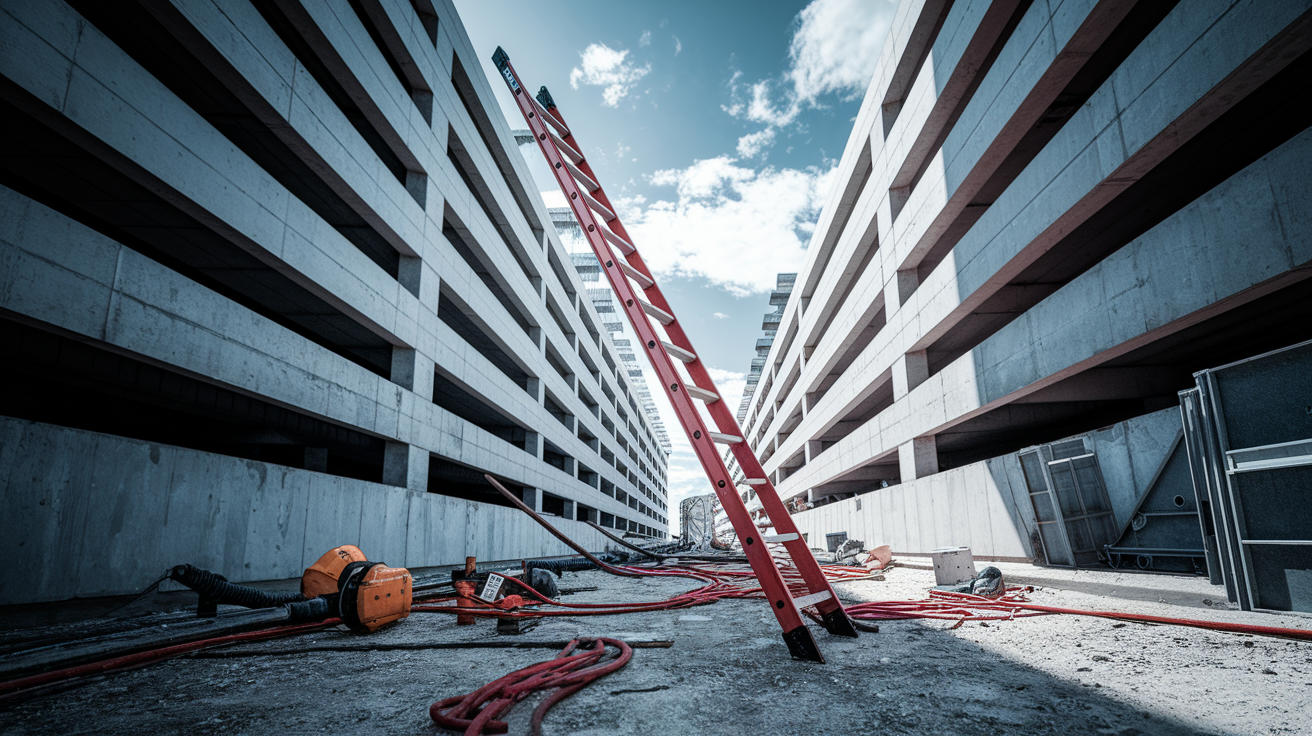
A correlation exists between lack of insurance and poor safety practices because insured contractors typically follow better safety protocols. Insurance carriers require safety programs, provide loss control consultations, and conduct job site inspections that push contractors toward compliant practices. Uninsured contractors avoid these oversight mechanisms and often cut safety corners to save time and money, lacking resources or commitment to invest in proper fall protection, electrical safety equipment, and personal protective gear.
Common OSHA violations on residential projects create immediate hazards. Fall protection failures include working above six feet without guardrails, safety nets, or personal fall arrest systems, using ladders improperly, and lacking fall protection during roofing work where falls cause the most residential construction fatalities. Electrical safety violations involve working on live circuits without lockout tagout procedures, using damaged extension cords and power tools, and operating electrical equipment near water without ground fault circuit interrupters. Trenching hazards occur when contractors dig trenches deeper than four feet without cave in protection, improper shoring, or competent person oversight. Lack of personal protective equipment means workers without hard hats in demolition areas, missing eye protection during cutting and grinding, no respiratory protection during dusty or chemical work, and inadequate hearing protection around loud equipment.
You face liability for OSHA violations occurring on your property even when you didn’t cause them. OSHA holds property owners responsible as the “controlling employer” when they hire contractors, direct the work scope, and maintain the work site. Direct fines range from $15,625 per serious violation where there’s substantial probability of death or serious physical harm, up to $156,259 per willful or repeated violation when OSHA determines you knew about hazards and failed to correct them. A single fall protection violation can trigger $15,625 in fines. Multiple violations during one inspection commonly total $50,000 to $100,000 for residential projects where safety protocols are ignored.
Safety violations increase the likelihood of accidents, compounding financial exposure when the contractor lacks insurance. A contractor working without fall protection eventually falls, suffering injuries that generate $100,000 in medical claims you must pay because the contractor has no workers’ comp. The prior OSHA violation for lack of fall protection becomes evidence of your negligence in a lawsuit, increasing jury awards. Electrical safety violations lead to electrocutions and fires with massive damage claims. Each preventable accident that happens becomes more expensive because you face both the accident costs and the regulatory penalties for allowing unsafe conditions.
Abandoned Projects and Construction Defects From Uninsured Contractors
Uninsured contractors often operate with minimal financial reserves and lack the backing to weather project difficulties. Without insurance providing financial stability, business continuity funding, and confidence to take on risk, contractors struggle when unexpected costs arise, materials prices spike, or work takes longer than estimated. They operate project to project without capital reserves, making them vulnerable to abandonment when problems emerge.
Common abandonment scenarios follow predictable patterns. Discovering their work is defective and facing expensive repairs they can’t afford causes contractors to stop returning calls and disappear rather than fix mistakes on their dime. Encountering unexpected complications that exceed their capability including structural problems, code issues requiring engineering, or building department red tags makes them walk away rather than admit they’re in over their head. Receiving payment disputes where you withhold payment due to quality concerns or contract disagreements prompts contractors to abandon the job and move to easier projects. Facing lawsuits or licensing board complaints from previous customers creates pressure that makes them shut down and reopen under a new business name, leaving your project incomplete.
You face limited options when work is abandoned. Hiring a new contractor to complete or repair work costs 150% to 200% of the original project value because the new contractor must assess existing work quality, remove defective components, correct code violations, complete remaining scope, and assume liability for someone else’s mistakes. New contractors charge premium rates for completion work due to unknown conditions and higher risk. Pursuing legal action for breach of contract means filing a lawsuit, waiting 12 to 24 months for resolution, winning a judgment the contractor likely can’t pay, and spending $10,000 to $50,000 in legal fees for potentially zero recovery. Filing licensing board complaints may result in the contractor’s license suspension or revocation but doesn’t get your project finished or recover your money, serving primarily to prevent them from doing this to the next customer.
Construction defect claims occur when problems with completed work appear after the contractor leaves, and lack of completed operations insurance eliminates your recourse. Completed operations coverage is a component of general liability insurance that covers defects discovered after project completion, typically extending two years beyond the completion date. When contractors lack this coverage, you discover the foundation is failing, the roof leaks, the electrical work wasn’t to code, or the waterproofing failed and causes mold, but you have no insurance to file a claim against. The contractor either has no assets to sue for or has dissolved the business entity that did your work. You pay to fix the defective work yourself, often costing more than the original project because you’re correcting hidden problems in addition to making repairs.
Complete Pre Hiring Prevention Checklist
Prevention is far easier and less expensive than dealing with an uninsured contractor after problems arise, costing a few hours of verification work versus potentially hundreds of thousands in liability exposure.
-
Verify state contractor license number through the licensing board website and check for active status by searching the contractor’s name and license number in your state’s public database, confirming the license is current, matches the contractor’s business name, and covers the type of work you’re hiring them to do.
-
Request current Certificate of Insurance directly from the contractor showing general liability and workers’ compensation coverage, with certificates dated within the last 30 days, listing coverage types and policy numbers, showing coverage amounts, and including insurance company contact information.
-
Contact the insurance company directly using the phone number from their website, not the COI, to verify the policy is active and in force by calling the insurer’s verification line, providing the policy number from the certificate, confirming coverage is currently active, and asking if the policy covers the type of work they’ll perform at your address.
-
Confirm policy coverage amounts meet minimum requirements of $1 million general liability for most residential projects, state required workers’ compensation with no employee exemptions, and commercial auto insurance if contractor vehicles will be used on site, asking the insurance company to confirm the specific dollar limits.
-
Verify insurance policies won’t expire during your project timeline and extend at least 30 days beyond estimated completion by checking the expiration dates on certificates, calculating whether they cover your entire project duration plus 30 days, and requiring the contractor to provide renewal certificates if policies expire mid project.
-
Check contractor’s standing with state licensing board for complaints, violations, or disciplinary actions by searching the public complaint database, reviewing any disciplinary history, checking for past license suspensions or fines, and reading complaint details to see if patterns of problems exist.
-
Confirm you will be listed as additional insured on the liability policy before work begins by requiring this in your written contract, asking the contractor to request the endorsement from their agent, and obtaining a copy of the actual additional insured endorsement page showing your name.
-
Request certificates of insurance for all subcontractors who will work on your property before they begin by asking the general contractor for a list of all planned subcontractors, requiring COIs for each showing the same coverage minimums, and verifying subcontractor insurance with phone calls to their carriers.
-
Get minimum three written estimates and compare scope, timeline, payment terms, and insurance requirements by requesting detailed written proposals including specific work descriptions, materials to be used, project duration, payment schedules tied to milestones, and insurance requirements, comparing not just price but qualifications and protection.
-
Review contract specifically for insurance requirement clauses, payment schedule tied to milestones, and project completion timeline by reading the entire contract before signing, confirming insurance requirements are stated clearly with specific coverage amounts, ensuring payment is tied to completed work milestones rather than upfront lump sums, and verifying completion dates with time extension provisions.
-
Verify contractor will obtain all necessary building permits in their name by confirming which permits are required for your project, ensuring the contract states contractor is responsible for permit costs and applications, and checking that permits are posted on site before work begins.
-
Document everything in writing including all communications, change orders, and agreements throughout the project by using email for all project communications rather than phone calls, requiring written change orders for any scope modifications with updated prices and timeline, taking dated photos at each project phase, and keeping copies of all receipts, permits, and inspection records.
Legitimate professional contractors expect these verification steps and cooperate fully with certificate requests, license verification, and documentation requirements. Contractors who resist verification, make excuses about why they can’t provide certificates immediately, claim insurance is “on the way” or “in process,” or pressure you to start work before verification is complete are displaying red flags that should end the hiring conversation. Walk away from contractors who won’t or can’t prove they’re properly insured.
Final Words
When you hire a contractor without insurance, you become the safety net for every accident, injury, and mistake on your property.
The financial risk is real. Medical bills, legal fees, property damage, and lawsuit judgments can drain savings and put your home equity at risk.
Check insurance before work starts, not after something goes wrong. Request the Certificate of Insurance, verify it directly with the carrier, and make sure coverage extends through project completion.
Legitimate contractors carry proper insurance and expect you to verify it. If a contractor resists providing proof of coverage or makes excuses, that’s your signal to walk away.
FAQ
What happens if I hire an uninsured contractor?
When you hire an uninsured contractor, you typically become financially and legally responsible for any injuries, property damage, or accidents that occur during the project. Medical bills for even minor workplace accidents can run $20,000 to $50,000, with legal defense fees exceeding $50,000. If the contractor or their workers get hurt, if your property gets damaged, or if a neighbor or visitor is injured, courts can pursue your personal assets including home equity, savings accounts, vehicles, and future wages to cover damages the contractor cannot pay.
What if my subcontractor does not have insurance?
If your subcontractor does not have insurance, liability flows upward to the general contractor and ultimately to you as the property owner. You should immediately request a Certificate of Insurance for any subcontractor before they begin work on your property. If the general contractor hired an uninsured subcontractor for electrical, plumbing, roofing, or other trades, you face the same financial exposure as if you hired them directly. Require your general contractor to provide COIs for all subs in your contract.
Can a contractor go to jail for not finishing a job?
A contractor typically cannot go to jail simply for not finishing a job, as abandoning work is a civil contract dispute rather than a criminal matter. However, contractors can face criminal charges in some states if they accept payment with no intention of performing work (contractor fraud), if employees are injured on the job without required workers’ compensation coverage, or if they continue working after receiving stop-work orders from licensing boards.
Should I hire a handyman without insurance?
You should not hire a handyman without insurance for any work beyond minor tasks like picture hanging or furniture assembly. Even small jobs like installing shelves, repairing stairs, or patching drywall create injury and property damage risks that become your financial responsibility without insurance coverage. If the handyman falls from a ladder, damages your plumbing while working, or causes electrical problems, you will pay medical bills, repairs, and potential lawsuits out of pocket.