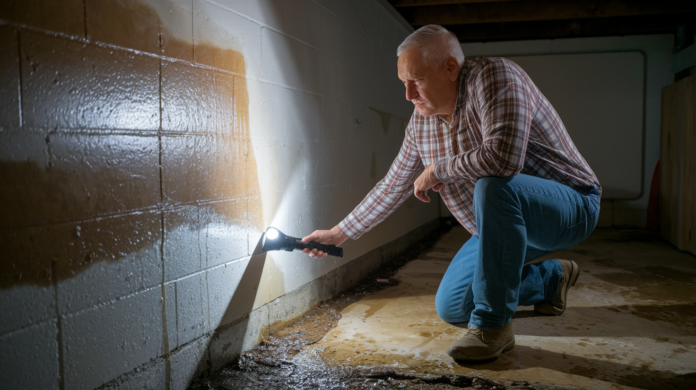

Most contractors will tell you interior waterproofing fixes the symptom, not the problem. That’s partly true, but here’s the reality: exterior waterproofing costs $8,000 to $15,000 because you’re excavating around your entire foundation, and interior systems running $3,000 to $8,000 often work just as well for managing groundwater. Interior methods use drainage and sump pumps to collect water that’s already past your foundation and redirect it away from your basement. If exterior access is blocked by driveways, decks, or additions, or your budget won’t stretch to excavation work, interior waterproofing gives you real protection without tearing up your yard.
Comprehensive Interior Basement Waterproofing Pricing Guide
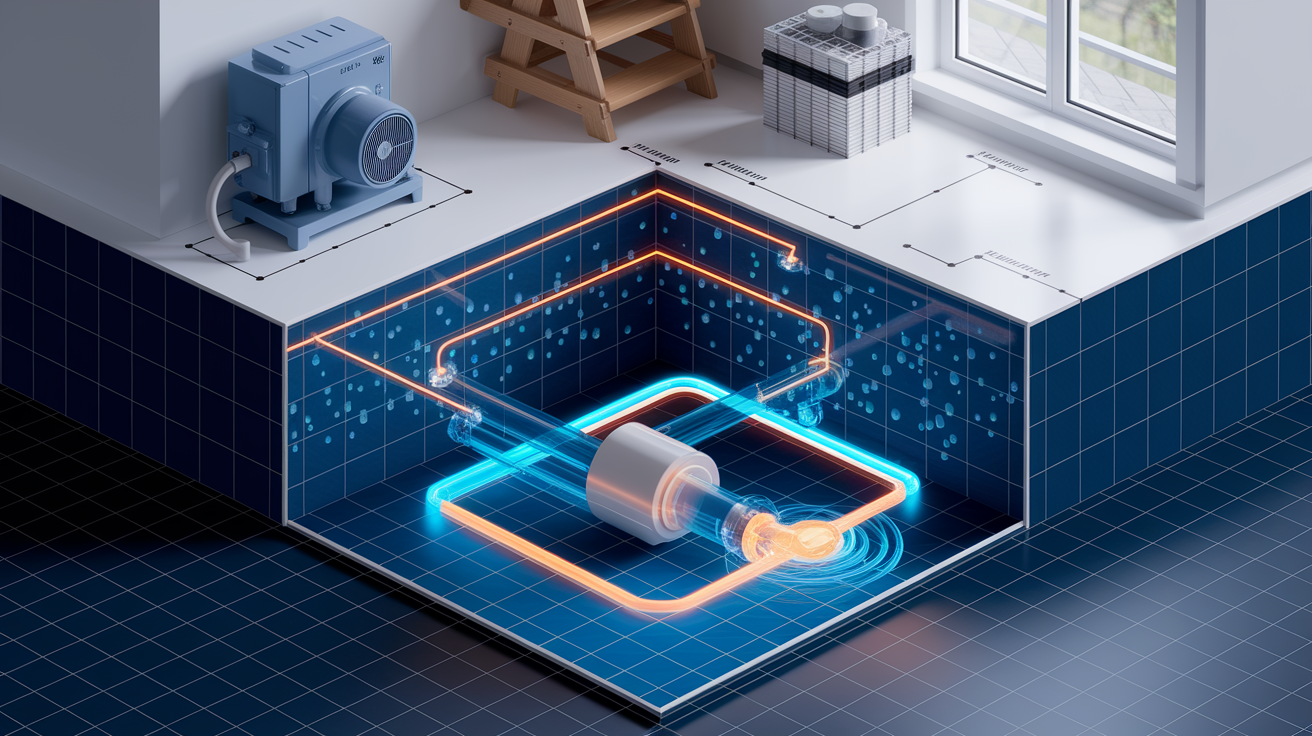
Interior basement waterproofing deals with water that’s already gotten past your foundation. You’re using drainage systems, sump pumps, and moisture barriers to manage it. What you’ll pay depends on which methods you need and how much of your basement requires protection.
| Waterproofing Method | Cost Range | Best For |
|---|---|---|
| Interior Sealants | $500–$1,000 | Minor moisture problems, small seepage |
| Waterproof Paint | $1–$8 per sq ft | Light dampness, surface moisture control |
| Epoxy Crack Injection | $800–$1,500 per crack | Foundation wall cracks, targeted repairs |
| Vapor Barriers | $1,500–$3,000 | Full wall coverage, moisture prevention |
| Subfloor Drain Tile | $25–$55 per linear foot | Perimeter drainage, slab foundations |
| Weeping Tile Systems | $60–$120 per linear foot | Complete basement perimeter drainage |
| Sump Pump Installation | $1,200–$2,500 | Active water removal, all drainage systems |
National average for interior basement waterproofing sits between $3,000 and $5,228. Most homeowners end up spending $2,250 to $8,186, depending on how much work they’re doing and which methods they’re combining. Simple repairs for minor moisture start around $500 to $1,500. Complete systems with drainage, pumps, and barriers can hit $6,000 to $8,000. If you’ve got multiple spots where water’s getting in and you need several solutions working together, expect costs toward the higher end.
Per square foot pricing typically runs $3 to $9 with materials and labor included. That covers the wall surface you’re sealing or protecting, plus the drainage systems running along your foundation perimeter. Labor takes up a big chunk of the total because drainage work means breaking through concrete floors, trenching along walls, and connecting everything to discharge points. Materials for sealants and barriers cost less than the work to apply them right.
Interior Drainage and Sump Pump Systems
Complete drainage installations cost $3,000 to $6,000 for most basements. Weeping tile systems run $60 to $120 per linear foot, collecting water at the foundation footer level and channeling it to collection points. Subfloor drain tile costs $25 to $55 per linear foot, sitting just below your basement floor slab to catch water before it surfaces.
Sump pump installation ranges from $1,200 to $2,500. That includes pit excavation, pump equipment, and electrical connections. The pump goes in a gravel filled pit at your basement’s lowest point, kicking on automatically when water hits a certain level. Drainage installation takes 3 to 5 days. Crews have to saw cut concrete, dig trenches along the perimeter, lay perforated pipe in gravel beds, and patch everything back. These systems work by grabbing groundwater before it builds up pressure against your walls.
Surface Sealing and Barrier Methods
Interior sealants cost $500 to $1,000 for minor moisture problems where you’re seeing dampness but not actual water flow. Waterproof paint runs $1 to $8 per square foot, depending on product quality and how many coats your walls need. Vapor barrier installation costs $1,500 to $3,000 for full coverage, using heavy plastic sheeting fastened to foundation walls.
These create moisture barriers on foundation walls and work for less serious water intrusion. Sealants penetrate concrete pores and form a waterproof crystalline structure. Paint on coatings provide a surface membrane that blocks moisture vapor from entering your basement air. Vapor barriers add a physical layer between wet foundation walls and your finished space.
Foundation Crack Repair
Professional epoxy crack injection costs $800 to $1,500 per crack for sealing foundation wall cracks. The process means drilling injection ports along the crack, pumping two part epoxy under pressure until it fills the entire void, and letting it cure into a watertight seal.
Crack repairs address specific entry points where water’s finding its way through your foundation. You’ll often combine crack sealing with other waterproofing methods for complete protection. Fixing the cracks stops active leaks while drainage systems handle groundwater pressure.
Warning Signs That Interior Waterproofing Is Needed

Catching moisture problems early prevents damage and keeps repair costs from climbing into the thousands. Once water finds a way into your basement, it keeps coming back until you fix it properly.
Standing water pooling on your basement floor after rain tells you something’s wrong. Damp walls that feel cool and moist to the touch aren’t normal. Musty odors that smell like wet cardboard or earth mean moisture’s getting in somewhere. White chalky deposits (efflorescence) on concrete walls show where water’s evaporating. Visible mold growth in corners or along baseboards is a problem. Vertical or horizontal cracks in foundation walls need attention. Warped or damaged flooring, especially near walls, signals water issues. Humidity levels consistently above 60 percent create conditions for bigger problems.
Mold can develop within 24 to 48 hours of moisture exposure. You can’t wait and see if dampness goes away on its own. Ignoring these signs leads to water damage repairs costing $1,360 to $6,290 down the road. Common causes include damaged gutters dumping water against your foundation, improper grading that slopes toward your house, and foundation damage from settling or hydrostatic pressure.
Professional moisture testing and inspection services identify exactly where water’s entering and what’s causing the pressure against your foundation. Contractors use moisture meters to check concrete and infrared cameras to spot temperature differences that show wet areas behind finished walls. This diagnostic work happens during the free estimate visit and determines which waterproofing methods will actually solve your specific problem.
Primary Factors Affecting Interior Basement Waterproofing Costs

Basement size directly affects how much material you’ll need and how many labor hours the job takes. A 1,000 square foot basement needs half the drainage pipe, sealant coverage, and installation time as a 2,000 square foot space. Costs scale proportionally with square footage since contractors charge for linear feet of drainage systems and square feet of wall coverage. Labor runs about $200 per hour for professional waterproofing contractors. A job that takes 30 hours costs $6,000 in labor before materials.
Waterproofing a 2,000 square foot basement costs $24,489 to $29,177 when you need complete protection with full perimeter drainage, sump systems, and moisture barriers. That’s significantly more than smaller spaces or partial repairs.
How bad your moisture problem is determines whether you need a $500 sealant application or a $10,000 complete drainage system overhaul. Minor seepage through a few small cracks requires different solutions than water actively flowing through multiple wall sections. If you’re seeing standing water after every rain, you’re dealing with serious groundwater pressure that needs drainage systems to redirect water away from your foundation. Extensive repairs involving foundation problems can exceed $10,000 when structural issues need fixing before waterproofing can even start.
Pre 1950s homes often lack proper footings or steel reinforcement that modern codes require. That means you might need major structural work before waterproofing protects anything. Foundation repairs cost $2,000 to $8,500 for typical issues, with severe underpinning reaching $25,000 or higher when you need to stabilize failing foundation walls.
Comparing DIY Interior Waterproofing Versus Professional Installation
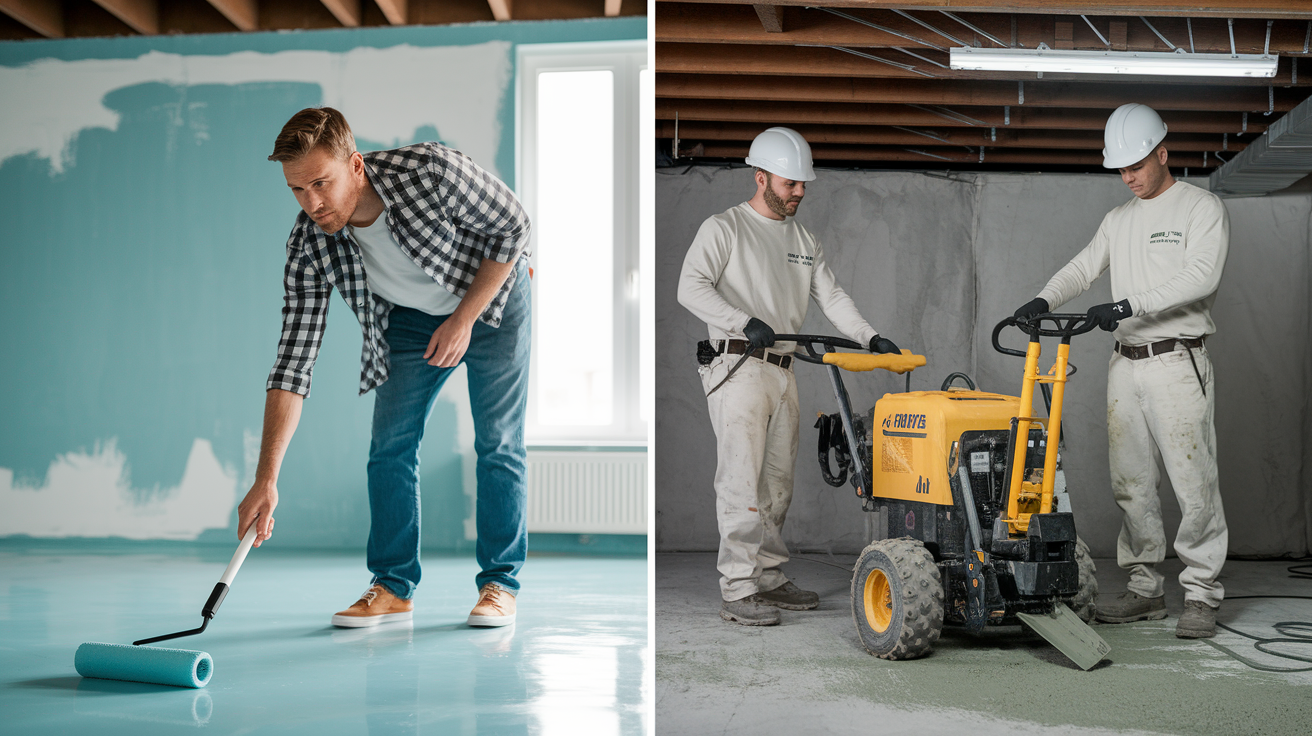
Applying waterproof paint and interior sealants falls within DIY capability if you’re dealing with minor dampness rather than active water intrusion. Material costs for these surface treatments run $500 to $1,000 for a typical basement, covering primer, waterproof coating, and application tools. You’ll need to thoroughly clean and prep the concrete first. That means wire brushing, etching with acid cleaner, and waiting for everything to dry completely. If you’re tempted to skip prep, this is where the job comes back to haunt you. These coatings need reapplication every 5 to 10 years since they wear down over time and don’t address the root cause of moisture problems.
Professional installation costs $200 per hour for labor but delivers drainage systems that actually redirect water rather than just blocking it temporarily. Interior drainage installation takes 3 to 5 days for most basements. That translates to roughly $4,800 to $8,000 in labor for a complete system. It covers breaking through your concrete floor, installing perimeter drains, connecting everything to a sump pump, and patching the concrete back. Contractors book 3 months in advance during spring and summer when everyone discovers they have water problems. Plan accordingly if you need work done during peak season. Professional work includes warranty coverage that protects you if something fails or leaks persist.
Sump pump installations and full drainage systems require professional expertise. These aren’t projects where close enough is good enough. The drain tile has to slope correctly to move water, the sump pit needs proper sizing and positioning, and the electrical connections require permits and inspection in most areas.
Interior Versus Exterior Basement Waterproofing Cost Comparison
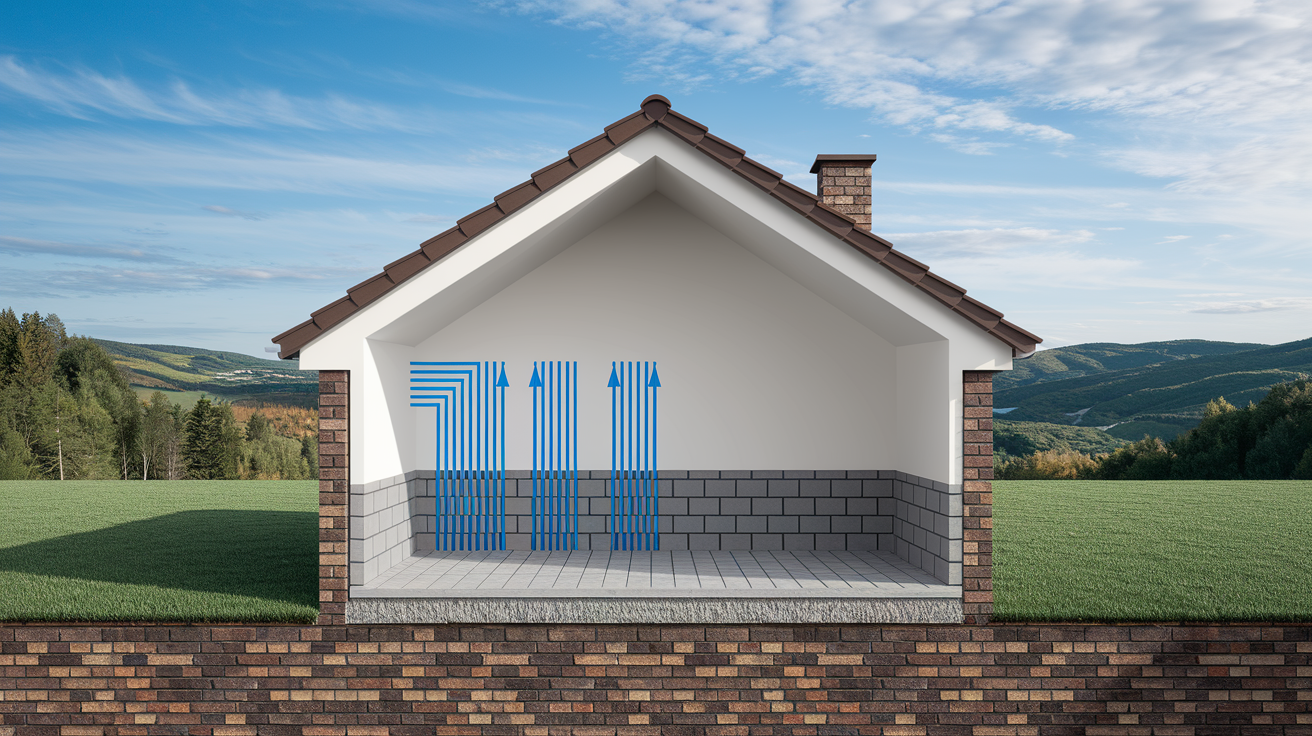
Interior waterproofing manages water after it enters your foundation, using drainage systems to collect it and sump pumps to remove it before it causes damage. The average cost runs around $3,000 for typical installations. This approach doesn’t stop water from penetrating your foundation walls but prevents it from surfacing in your basement or building up hydrostatic pressure. Interior systems use drainage channels, moisture barriers, and active pumping to control water that’s already on the wrong side of your foundation.
Exterior waterproofing prevents water entry by creating a waterproof barrier on the outside of your foundation walls. This approach costs $7,000 to $15,000 or more because it requires excavating around your entire foundation perimeter, applying membrane coatings, installing exterior drainage, and regrading to slope away from the house. That’s significantly more invasive and expensive than working from inside.
| Waterproofing Approach | Average Cost | Primary Function |
|---|---|---|
| Interior Method | $3,000 | Manages water inside basement, controls and removes moisture |
| Exterior Method | $7,000–$15,000 | Prevents water entry, creates external foundation barrier |
Interior methods get chosen when you have finished landscaping, concrete patios, or deck structures that make excavation impractical or prohibitively expensive to work around. Accessibility issues like narrow side yards or property line restrictions also push homeowners toward interior solutions. Method selection depends on water intrusion severity and your specific basement conditions. If groundwater pressure is extreme or your foundation walls are actively deteriorating, exterior work might be necessary despite the higher cost.
Regional Cost Variations for Interior Basement Waterproofing
Labor costs vary by region with the national average running $200 per hour for professional waterproofing contractors. High cost of living areas like coastal cities and major metropolitan regions typically see contractor rates 20 to 40 percent above that baseline. Rural areas and regions with lower wages trend below average. The same drainage system that costs $4,500 in a mid sized Midwest city might run $6,500 in a major coastal market.
Permit costs range from $75 to $500 depending on your location and what work your local building department requires inspections for. Some jurisdictions require permits for sump pump installations because of electrical work, while others only care about structural foundation modifications.
Climate affects both the severity of moisture problems and contractor demand in your area. Regions with high water tables, heavy spring rainfall, or significant snow melt deal with more aggressive groundwater pressure that requires more extensive drainage systems. Contractors in these areas stay busy year round, which keeps prices competitive but also means longer wait times. Spring and summer are peak booking seasons requiring 3 month advance scheduling in most markets since that’s when homeowners discover water problems after snow melts or during heavy rain periods. Local building codes and permit requirements affect your total project cost since some areas mandate specific drainage discharge methods, backflow prevention, and inspection sign offs that add time and expense to the job.
Long Term Value and Return on Investment for Interior Waterproofing
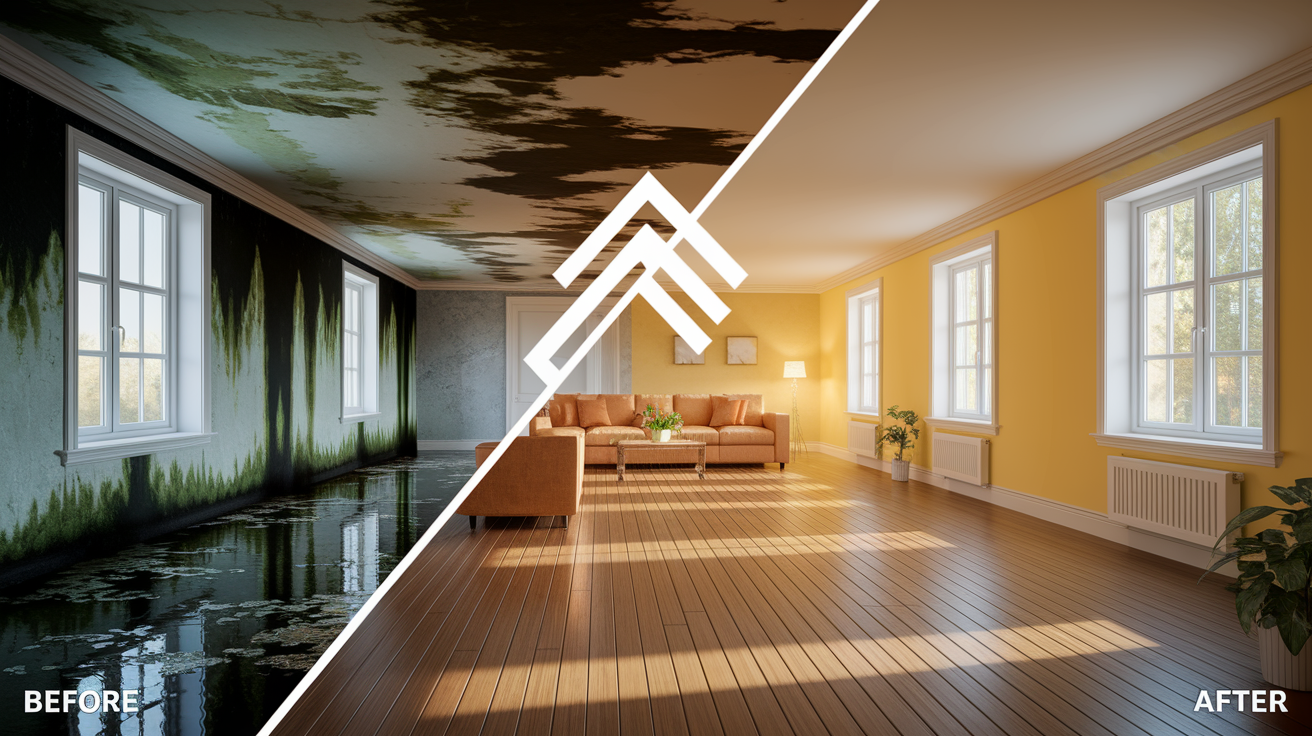
Waterproofing delivers up to 30 percent return on investment when you sell your property. Buyers won’t touch a house with visible moisture problems or musty basement smells. A dry, functional basement adds usable square footage that appraisers count in your home’s total living space. Prevention being more cost effective than repair means spending $3,000 to $5,000 on waterproofing now saves you from $1,360 to $6,290 in water damage repairs later when things finally fail.
Proper waterproofing protects your foundation’s structural integrity and the support beams carrying your house’s weight. Wet basements cause damage to foundations, support beams, and walls by speeding up concrete deterioration, causing steel reinforcement to rust, and allowing wood members to rot. That structural damage costs exponentially more to fix than the moisture problem that caused it. Waterproofing prevents mold and mildew growth that thrives in damp environments, protecting your family’s health and avoiding $500 to $3,500 in professional mold remediation costs.
Structural preservation keeps your foundation and support systems from deteriorating. Mold prevention protects indoor air quality and gets rid of health hazards. Increased usable space turns your basement into functional living or storage area. Enhanced property value makes your home more attractive to buyers and appraisers.
Waterproofing functions as preventative investment rather than optional maintenance. The longer you wait to address moisture problems, the more expensive the eventual fix becomes. Water damage doesn’t improve on its own and always gets worse over time as hydrostatic pressure finds more entry points through your foundation.
Timeline and Seasonal Considerations for Waterproofing Projects

Interior drainage installation typically takes 3 to 5 days from start to finish for most residential basements. Crews saw cut your concrete floor on day one, excavate trenches and install drainage pipe on days two and three, then connect the sump pump and patch concrete on the final days.
Spring and summer are peak seasons for waterproofing work, requiring 3 month advance booking with most contractors since homeowners discover moisture problems when snow melts or heavy rains hit. These seasons stay popular because people want problems fixed before they finish their basements or need to address issues that showed up during the wet season. If you call in June hoping for July installation, you’re probably looking at September or October at the earliest with established contractors.
Interior waterproofing can be done year round since it doesn’t require exterior excavation or working with temperature sensitive materials outdoors. Emergency situations where water’s actively flooding your basement may get faster scheduling regardless of season, but you’ll pay premium rates for that urgency. Some methods like waterproof paint require periodic reapplication every 5 to 10 years, which means you’ll need to plan for maintenance coating projects down the road. Contractor availability and scheduling directly affects your overall project timeline more than the actual installation work duration.
Getting Accurate Estimates and Choosing a Waterproofing Contractor

Getting 3 to 5 estimates gives you a realistic picture of what your project should cost and which contractors actually understand your specific moisture problem. Professional estimates should break out labor, materials, timeline, and warranty coverage separately so you can compare apples to apples rather than just looking at bottom line numbers. On site visits are necessary for accurate pricing since contractors need to see your basement layout, measure perimeter dimensions, identify water entry points, and assess foundation condition. The typical $200 per hour labor rate serves as a baseline for evaluating whether quotes are in the reasonable range for your market.
Verify contractor licensing and bonding status through your state licensing board. Confirm general liability and workers compensation insurance with current certificates. Ask what warranty covers the waterproofing work and how long coverage lasts. Get a detailed project timeline with start date and completion estimate. Understand the payment schedule and what triggers each payment installment.
Evaluating quotes means looking beyond the price to understand what work is actually included and what gets left out. Some contractors low ball estimates by excluding necessary components like sump pump backup batteries, exterior discharge line burial, or concrete patching. Licensed professionals with proper insurance cost more upfront but protect you from liability if workers get injured on your property. Warranty coverage matters because waterproofing should last 10 to 20 years when installed correctly. Choosing the right contractor means verifying their track record with references and checking complaint history through the Better Business Bureau.
Watch for unusually low bids that come in 30 percent or more below other quotes. That usually indicates cut corners, inferior materials, or contractors who’ll add change orders once work starts. The 3 month advance booking during peak seasons affects your project scheduling, so ask about current wait times and lock in your spot with a deposit if you’re planning spring or summer work.
Maintenance Requirements and Ongoing Waterproofing Costs

Sump pump batteries need replacement every 3 to 4 years to make sure your backup system actually works during power outages when you need it most. Test your primary sump pump monthly by pouring water into the pit until it activates, and check that the discharge line isn’t frozen or clogged. Drainage system inspection should happen annually, looking for sediment buildup in the sump pit, checking that weep holes in drain tile aren’t blocked, and verifying that your discharge point is flowing freely.
Waterproof paint requires reapplication every 5 to 10 years as it wears down from moisture exposure and loses effectiveness. Plan on $500 to $1,200 for that maintenance coating work depending on your basement size. Quick response matters because mold grows within 24 to 48 hours of water exposure. Any new moisture problems need immediate attention rather than waiting to see if they go away. Proper maintenance prevents costly emergency repairs that happen at the worst possible times.
Sump pump battery replacement every 3 to 4 years runs $100 to $200. Waterproof paint reapplication every 5 to 10 years costs $500 to $1,200. Gutter installation or replacement to prevent foundation water runs $650 to $1,750. Window well installation for proper drainage around basement windows costs $2,000 to $5,000. Dehumidifier operation and filter changes for humidity control run $30 to $50 monthly. Annual professional inspections to catch developing problems early cost $150 to $300.
Prevention costs significantly less than repair since mold remediation runs $500 to $3,500 when you let moisture problems develop into growth colonies. Water damage repair ranges from $1,360 to $6,290 depending on how much drywall, flooring, and structural material needs replacement. That’s money you’re spending to fix damage that wouldn’t have happened with proper maintenance. Ten percent of Americans are allergic to mold, which means health problems on top of repair costs when you ignore basement moisture issues.
Dehumidifier operation helps maintain target humidity levels below 60 percent year round. That prevents condensation on cold surfaces and keeps mold spores from finding the damp conditions they need to colonize your basement. Quick response to any new moisture signs can’t be overstated. Every day water sits against your foundation or soaks into materials means more extensive repairs when you finally address it.
Final Words
Interior basement waterproofing cost runs from basic sealants at $500 to comprehensive drainage systems pushing $8,000, with most homeowners spending around $3,000 to $5,000 for effective moisture control.
The method you choose depends on what’s actually happening in your basement. Minor seepage gets handled with paint and barriers. Persistent water needs drainage and a sump pump.
Get multiple quotes, ask about warranties, and don’t skip maintenance once the system’s in. Preventing water damage beats paying for it later.
FAQ
How much does it cost to waterproof a basement from the inside?
Interior basement waterproofing costs average $3,000 to $5,228 for most projects, with a typical range of $2,250 to $8,186 depending on the waterproofing methods used and the severity of moisture problems.
How much to waterproof a 1000 sq ft basement?
Waterproofing a 1000 sq ft basement typically costs $3,000 to $9,000 based on the standard pricing of $3 to $9 per square foot, which includes materials and labor for interior waterproofing methods.
Does interior basement waterproofing work?
Interior basement waterproofing works by managing water that enters basements through drainage systems, sump pumps, and moisture barriers. These methods effectively control moisture, prevent mold growth, and protect structural components when properly installed and maintained.
Can you waterproof the inside of a basement?
You can waterproof the inside of a basement using several methods including interior sealants, drainage systems, sump pumps, vapor barriers, and waterproof paint. Interior waterproofing manages moisture without requiring exterior excavation, making it less invasive and more affordable.
What are the most affordable interior waterproofing methods?
The most affordable interior waterproofing methods are interior sealants at $500 to $1,000 for minor moisture problems and waterproof paint at $1 to $8 per square foot, both suitable for less severe water intrusion.
How long does interior basement waterproofing take?
Interior basement waterproofing takes three to five days for complete drainage system installations. Simple applications like waterproof paint or sealants can be completed in one to two days, depending on basement size and drying time.
When should I get my basement waterproofed?
You should get your basement waterproofed when you notice standing water, damp walls, musty odors, efflorescence on walls, mold growth, wall cracks, or increased humidity levels. Early intervention prevents mold development within 24 to 48 hours and avoids costly repairs.
What is the return on investment for basement waterproofing?
Basement waterproofing provides up to 30% return on investment when selling property. It prevents water damage repairs costing $1,360 to $6,290, protects structural integrity, and transforms basements into usable living space.
Do I need a professional for interior basement waterproofing?
You need a professional for interior basement waterproofing when installing drainage systems, sump pumps, or addressing foundation cracks. DIY methods like waterproof paint and sealants work for minor moisture issues, but complex systems require licensed contractors.
How often does waterproof paint need reapplication?
Waterproof paint needs reapplication every five to 10 years to maintain moisture protection. Regular inspection helps determine when surfaces show wear or reduced effectiveness, signaling the need for fresh application.
What factors affect basement waterproofing costs the most?
Basement size, severity of moisture problems, foundation type, and labor costs affect waterproofing expenses most significantly. Pre-1950s homes may require major structural work before waterproofing, and block foundations cost more than poured concrete foundations.
Can I waterproof my basement during winter?
You can waterproof your basement during winter since interior methods don’t require exterior excavation. However, contractors typically book three months in advance during spring and summer peak seasons when homeowners discover moisture issues after snow melt.