

You hired a contractor without checking insurance, and now there’s a worker in your driveway with a broken leg claiming you’re liable for medical bills. Happens more than you’d think. Before you hand over a deposit or sign anything, you need proof the contractor carries active insurance that actually covers your project. This verification process takes about 20 minutes and protects you from lawsuits, property damage claims, and financial disasters that can cost tens of thousands more than your original project budget.
Contractor Insurance Verification: Core Steps to Confirm Coverage

Request a Certificate of Insurance directly from the contractor’s insurance agent, then verify it independently by calling the insurance provider listed on the certificate.
Here’s how to verify contractor insurance before hiring:
Request COI directly from contractor’s insurance agent (not the contractor) with specific coverage requirements. Submit your request in writing through email or letter so you’ve got documentation. Specify the coverage types you need, minimum policy limits, your contact information as certificate holder, and any additional insured or endorsement requirements for your project.
Contact insurance provider directly for independent verification. This is the gold standard. Call the insurance company or agent listed on the certificate using the phone number shown on the document. There’s no online database or public lookup system in the U.S. for verifying another business’s insurance coverage, which makes direct contact the only reliable verification method.
Verify legal business name matches contract and license exactly. The name on the Certificate of Insurance must match both the contractor’s business license and the written contract word for word. Mismatches indicate potential coverage gaps or fraudulent documentation.
Confirm policy numbers, coverage types, and that policy is active. Ask the insurance provider to confirm the specific policy number, verify all coverage types are in force, and check there aren’t any lapses or pending cancellations.
Check effective dates and expiration date are current and extend through project completion. An expired insurance policy provides zero coverage protection. If the policy expires before your project ends, request updated documentation showing renewal.
Verify coverage limits meet or exceed project requirements and state minimums. Review the dollar amounts shown for each coverage type against your project value and state mandated minimums.
A Certificate of Insurance alone isn’t enough without direct verification with the insurance company. Insurance providers typically generate and return COIs within a few business days after the contractor submits the request, but that certificate only shows what coverage existed when it was issued. It doesn’t guarantee current active coverage. Verification is your responsibility as the property owner before signing any contract. When contractors lack insurance, you become liable for medical bills, third party property damage, legal fees, and lost use costs.
Essential Insurance Types Every Contractor Must Carry

Every legitimate contractor should carry multiple insurance policies that protect both their business and your property during construction work. Insurance requirements vary by state and project size, but certain coverage types are standard across the industry.
General Liability Insurance
Commercial General Liability protects against property damage and personal injury claims during home improvement projects. This coverage pays for damage the contractor causes to your property, neighboring properties, or injuries to third parties on your jobsite. If a contractor’s employee accidentally breaks a water line and floods your basement, general liability covers the repair costs. The policy also covers legal defense costs if someone files a lawsuit claiming property damage or bodily injury from the contractor’s work.
Workers Compensation Insurance
Workers Compensation coverage must be verified for both the contractor and any subcontractors they employ. This insurance covers medical expenses and lost wages when employees get injured on your property. If a worker falls from a ladder or gets injured operating equipment, workers comp prevents you from being sued for medical bills and disability payments. Verify that coverage extends to all crew members working on your project, not just direct employees. Some contractors try to classify workers as independent contractors to avoid carrying workers comp, which shifts liability exposure directly to you.
Commercial Auto Liability
Commercial Auto insurance should include owned, hired, and non owned auto coverage when vehicles transport crews, tools, or materials to your jobsite. This protects you if the contractor’s truck damages your driveway, hits your garage, or causes an accident while hauling materials for your project. Owned auto coverage applies to vehicles the contractor owns. Hired coverage applies to rented trucks or equipment. Non owned coverage applies to employee personal vehicles used for work purposes.
Umbrella and Specialty Coverage
Umbrella or Excess Liability provides extra protection above general liability, auto, and employers liability for larger or higher risk projects. This additional layer kicks in after the primary policies reach their limits. For projects exceeding $100,000, umbrella coverage adds an extra safety margin. Role specific coverages include Professional Liability for design build work, Contractors Pollution Liability for environmental exposures like lead or asbestos abatement, Builders Risk for materials stored on site during construction, and Cyber Liability for contractors who handle customer data digitally.
Minimum coverage requirements vary significantly by state and project size. California requires different limits than Texas. A small bathroom remodel needs different coverage amounts than a whole house renovation. Verify all coverage types before signing the contract to ensure protection matches your project’s specific risk profile.
Certificate of Insurance: Request, Review, and Verify

Submit your COI request in writing through email or letter to maintain documentation records. Include specific details: the coverage types required for your project, minimum policy limits you expect, your name and address as the certificate holder, and any additional insured or endorsement requirements. Address the request to the contractor’s insurance agent, not the contractor themselves. The agent’s contact information should be available from the contractor’s business records.
Insurance providers typically generate and return COIs within a few business days after the contractor submits the request to their agent. If you don’t receive the certificate within one week, follow up directly with the contractor and their agent. Delays often signal coverage problems or policy lapses.
Review the received Certificate of Insurance for these critical items:
Legal business name matches contractor registration. Verify spelling and legal structure (LLC, Inc, etc.) exactly match the business license and contract.
Certificate holder information is accurate. Your name and property address should appear correctly in the designated section.
Policy number is present and valid. Each coverage type should show a specific policy number.
Effective dates and expiration date are current. Coverage must extend through your entire project timeline.
Coverage types match project requirements. General liability, workers comp, and auto coverage should all appear with separate policy numbers.
Liability limits meet or exceed minimums. Check dollar amounts against state requirements and project risk level.
Insurance provider contact information. Carrier name, agent name, and phone number must be clearly listed.
Additional insured designation if required. Special endorsements should be noted in the description section.
The certificate alone isn’t sufficient proof of active coverage. Fraudulent certificates are easy to create using basic design software. Some contractors provide expired certificates hoping you won’t check the dates carefully. Others show certificates from policies that have since been cancelled for non payment.
Contact the insurance provider directly using the phone number printed on the certificate. Don’t use contact information the contractor provides separately. Ask the insurance agent or company representative these specific questions: Is this policy currently active? What are the exact coverage dates? What are the coverage amounts for each policy type? Am I listed as an additional insured? Has there been any lapse in coverage?
The agent should confirm all policy details match the certificate within a few minutes. If the insurance company can’t verify the policy, find a different contractor. If policy details don’t match what’s printed on the certificate, that’s a red flag indicating fraudulent documentation.
No online verification tools or NAIC database exist for public contractor insurance lookup. It’s not currently possible to verify another business’s insurance coverage online through any public portal. No standing insurance database or policy lookup system exists in the U.S. for verifying third party coverage. The COI requesting process remains the standard method for insurance verification in current business practices, which is why direct phone verification with the insurance provider is the only reliable confirmation method.
Using State Licensing Boards to Verify Contractor Credentials

State licensing boards provide a complementary verification tool that confirms contractor legitimacy and helps cross reference insurance documentation with official business records.
Follow these steps to verify through your state licensing board:
Locate your state insurance department or licensing board website. Search for “[your state] contractor licensing board” or “[your state] department of professional regulation” to find the official government database.
Search contractor by business name or license number. Most states offer free online lookup tools where you can enter the contractor’s information and view their licensing status.
Confirm license is active and matches scope of work. Check that the license classification covers the specific type of work you’re hiring for (general contractor, electrical, plumbing, roofing, etc.).
Check for disciplinary actions or violations. Review the license record for complaints, suspensions, fines, or revocations that indicate past problems.
Cross reference license information with COI documentation. The legal business name on the state license must match exactly what appears on the Certificate of Insurance and your written contract.
Licensed and bonded status provides homeowner protection through state recovery funds and bonding companies if the contractor fails to complete work or causes damage. Most states require contractors to maintain a surety bond as a condition of licensing. If the contractor abandons your project or violates the contract, you can file a claim against the bond to recover financial losses.
Licensing requirements vary significantly by state and local regulations. Some states require licensing for all contractors performing work over a certain dollar amount. Others only require licenses for specific trades. Some municipalities add their own licensing requirements on top of state rules. A contractor licensed in one state isn’t automatically licensed in another.
License verification confirms legitimacy and legal authorization to perform work, but it doesn’t replace insurance verification. Match license classification to the actual scope of work being performed. A contractor with a general remodeling license shouldn’t be doing specialized electrical or plumbing work that requires separate licensing.
Critical Red Flags When Checking Contractor Insurance

Recognizing warning signs before signing the contract protects you from hiring uninsured or underinsured contractors who create serious financial liability exposure.
When contractors lack insurance, property owners become liable for medical bills, third party property damage, legal fees, and lost use costs. Home insurance policies often exclude contractor caused losses, leaving property owners financially exposed without any recovery option.
Watch for these red flags indicating insurance problems:
Contractor refuses to provide Certificate of Insurance. Legitimate contractors provide COIs immediately upon request without hesitation or excuses.
COI shows expired or soon to expire coverage dates. An expired insurance policy provides no coverage protection, and policies expiring mid project signal high cancellation risk.
Insurance provider information is missing or incomplete. Legitimate certificates always include carrier name, agent name, phone number, and agent email.
Contractor offers to provide “proof” without going through insurance agent. Anything other than an official COI issued by the insurance provider isn’t acceptable documentation.
Cash only contractors with no paperwork. Legitimate businesses accept multiple payment methods and provide proper documentation for all transactions.
Coverage limits are far below project value. A $50,000 project needs substantially more than minimum state required coverage limits.
Business name on COI doesn’t match contract or business license. Mismatches indicate coverage gaps or fraudulent documentation that won’t protect you if claims arise.
Contractor claims to be “self insured” without documentation. True self insurance requires substantial financial reserves and state certification, not just a verbal claim.
Insurance company cannot confirm active policy when contacted. This is the biggest red flag and means the certificate is fraudulent or the policy has been cancelled.
Never assume a contractor has insurance regardless of recommendations, reviews, or referrals. Always verify directly with the insurer using the phone number on the Certificate of Insurance before any work begins.
Additional Insured Status and Contract Protection Requirements

Additional insured status provides direct protection by adding your name to the contractor’s general liability insurance policy for the duration of your project. When you’re named as an additional insured, the insurance company must defend you and pay claims on your behalf if someone files a lawsuit related to the contractor’s work.
Request these three key endorsements in your written contract: Additional Insured, Primary and Noncontributory, and Waiver of Subrogation. The Additional Insured endorsement names you on the policy. Primary and Noncontributory means the contractor’s insurance pays first before your homeowner’s policy gets involved. Waiver of Subrogation prevents the contractor’s insurance company from suing you to recover money they paid out on claims.
Include specific insurance requirements in the written contract before signing. State the coverage types required, minimum liability limits, requirement to be named as additional insured, and the obligation to maintain coverage throughout the project. Add language requiring the contractor to provide updated certificates if policies renew mid project. Without written contract terms, you have no enforcement mechanism if the contractor lets coverage lapse.
Verify coverage extends to subcontractors working on your project when endorsements are properly structured. Ask the contractor to confirm their general liability policy covers subcontractor work, or require subcontractors to carry their own insurance and provide separate certificates. Many contractor liability policies exclude subcontractor activities unless specifically endorsed.
| Endorsement Type | Protection Provided |
|---|---|
| Additional Insured | Adds your name to the contractor’s liability policy, giving you direct coverage and legal defense if claims arise from contractor’s work |
| Primary and Noncontributory | Makes the contractor’s insurance pay first before your homeowner’s policy, preventing your rates from increasing due to contractor claims |
| Waiver of Subrogation | Prevents the contractor’s insurance company from suing you to recover claim payments, eliminating one avenue of financial liability |
Documentation Checklist Before Starting Your Project

Collecting and verifying all documentation before the project start date prevents coverage gaps and legal complications once work begins.
Gather these essential documents before allowing any construction activity:
Current Certificate of Insurance with future expiration date. Coverage must extend at least 30 days beyond your estimated project completion date.
State business license confirmation. Screenshot or printout from state licensing board showing active license status.
Contractor bonds or surety bond if required. Documentation proving the contractor maintains required bonding for your state and project size.
Written contract with insurance requirements specified. Signed agreement clearly stating coverage types, limits, and endorsements required.
Proof of workers compensation coverage. Separate certificate or policy declaration showing workers comp is active for all employees.
Additional insured endorsement documentation. Confirmation from insurance agent that endorsement has been added to the policy.
Insurance provider contact information for verification. Agent name, phone number, and email for direct communication throughout the project.
References and reviews from previous clients. Contact information for at least three recent customers willing to discuss their experience.
Building permits for the scope of work. Permits pulled by the contractor showing compliance with local regulations and municipal codes.
Signed project agreement with payment protection terms. Clear payment schedule tied to completion milestones with retention clauses.
Keep updated COIs on file throughout the entire project duration. Insurance providers typically generate and return COIs within a few business days after the contractor submits the request, so build verification time into your project timeline. Request renewal confirmation at least 15 days before any policy expires during your project. Match license classification to the actual scope of work being performed, and update documentation if the project scope changes. Maintain written records of all verification calls and emails in case disputes arise later.
What Happens If Your Contractor Is Uninsured

Financial liability exposure falls directly on you when contractors lack proper insurance coverage. The risk isn’t theoretical. It’s immediate and enforceable through lawsuits and legal judgments.
Home insurance policies often exclude contractor caused losses, leaving property owners financially exposed with no coverage source. Your homeowner’s policy typically contains exclusions for “business pursuits” and “contractual liability,” which means damage caused by contractors you hire isn’t covered. Even if your policy doesn’t explicitly exclude contractor work, filing claims increases your rates and risks policy cancellation.
Liabilities homeowners face with uninsured contractors:
Medical expenses for on site accidents and employee injuries. You pay hospital bills, surgery costs, rehabilitation, and ongoing treatment if a worker gets hurt.
Third party damage to neighboring properties. You’re liable when contractor’s work damages adjacent homes, vehicles, landscaping, or structures.
Property damage repairs from construction defects. You pay twice to fix work done wrong the first time without insurance to cover the repairs.
Legal fees from lawsuit protection claims. Attorney costs, court fees, and settlement amounts come from your assets when injured parties sue.
Lost use costs during extended repairs. You pay hotel bills and storage fees while your home remains uninhabitable due to contractor caused damage.
Payment for incomplete work without completion guarantee. You lose the money already paid if an uninsured contractor abandons your project.
Personal injury claims from visitors injured on property. You’re liable when guests get hurt due to contractor negligence or unsafe work conditions.
Commercial General Liability coverage requirements and endorsements protect against property damage and personal injury. Workers Compensation coverage must be verified for both the contractor and any subcontractors they employ to protect against on site accidents. Risk protection through proper insurance verification is essential for financial security. Without confirmed coverage before work begins, you’re betting your home equity and personal assets that nothing will go wrong during construction. That’s a gamble with significant downside and no upside.
State Specific Insurance Requirements and Verification Resources
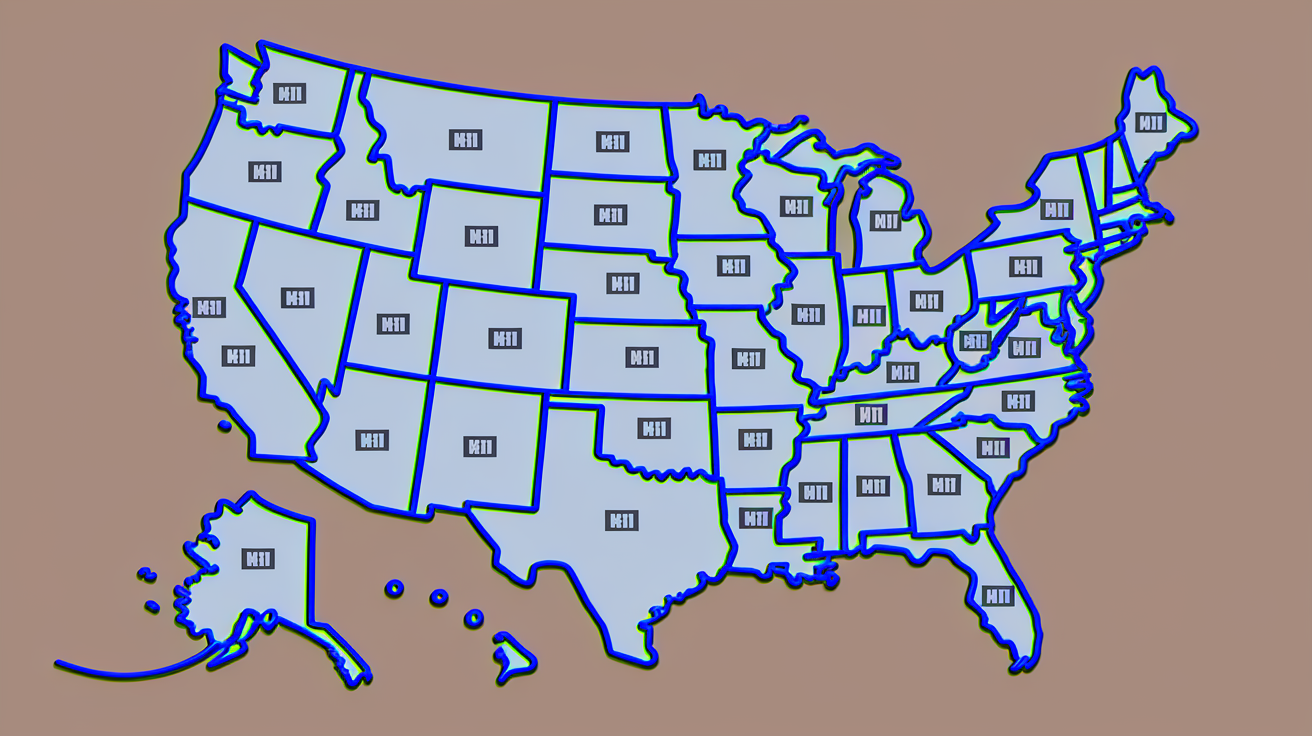
Minimum coverage requirements and contractor licensing vary significantly by state, creating different verification obligations depending on your location. California requires contractors to carry $1 million general liability for most residential work. Texas sets different thresholds. Florida has specific workers compensation exemptions for small construction businesses.
Locate your state insurance department and licensing board websites by searching “[your state] contractor licensing board” and “[your state] insurance department.” These official government sites provide state specific information about minimum coverage requirements, license verification tools, and local regulations. Most states maintain searchable databases where you can verify contractor licenses and view disciplinary history.
Common variations in workers compensation requirements and municipal codes across states create verification complexity. Some states allow construction business owners to exempt themselves from workers comp coverage. Others require coverage for all workers regardless of business structure. Large cities often layer additional licensing requirements and insurance mandates on top of state minimums through municipal codes. A contractor licensed and insured adequately for suburban work may not meet requirements for projects within city limits.
Understanding your specific state’s requirements for home improvement projects, roofing work, electrical work, and plumbing services ensures you request appropriate coverage types and limits. Match license classification to the actual scope of work being performed under your state’s classification system. Insurance requirements vary case by case based on state regulations and project scope, making generic advice insufficient for proper verification. The verification process remains consistent even though requirements differ. Request the Certificate of Insurance, verify it directly with the insurance company using the contact information on the certificate, confirm coverage types and limits meet your state’s standards, check the business name matches the license exactly, and keep documentation on file throughout the project. Verify the legal business name on the COI matches both the contract and license exactly, because even small variations can void coverage when claims occur.
Final Words
Knowing how to check if a contractor is insured protects you from serious financial liability before work starts.
Request the Certificate of Insurance directly from the agent, verify every detail on the document, then call the insurance company to confirm the policy is active and covers your project dates.
Cross-reference the business name with state licensing records, ask to be added as an additional insured, and keep all documentation on file through project completion.
These verification steps take less than an hour but save you from potential medical bills, property damage costs, and legal expenses if something goes wrong on site.
FAQ
How to check if a company is insured?
To check if a company is insured, request a Certificate of Insurance directly from their insurance agent, then call the insurance provider listed on the certificate to verify the policy is active and coverage details are accurate. The COI alone isn’t proof without independent confirmation from the insurer.
How to check insurance status online?
Checking contractor insurance status online isn’t currently possible because no public database or insurance verification portal exists in the U.S. for third-party coverage lookup. You must request documentation from the contractor’s insurance agent and verify by phone with the insurance company listed on the Certificate of Insurance.
What happens if a contractor isn’t insured?
If a contractor isn’t insured, you become personally liable for medical bills from on-site accidents, third-party property damage, legal fees, and repair costs from construction defects. Your homeowner’s insurance typically excludes contractor-caused losses, leaving you financially exposed for all project-related damages.
How to verify insurance coverage?
To verify insurance coverage, request a Certificate of Insurance from the contractor’s agent, then call the insurance provider directly using contact information on the COI to confirm policy status, coverage dates, liability limits, and additional insured designation. Always verify before signing the contract because certificates alone can be outdated or fraudulent.
What information should be on a Certificate of Insurance?
A Certificate of Insurance should show the contractor’s legal business name matching their license, policy numbers, current effective dates and expiration date, coverage types, liability limits meeting project requirements, insurance provider contact information, and certificate holder details. Missing or incomplete information is a red flag requiring clarification before work starts.
Why do I need to verify contractor insurance myself?
You need to verify contractor insurance yourself because you’re responsible for liability if coverage is inadequate or fake. Insurance companies don’t notify homeowners about policy cancellations or lapses, and contractors sometimes provide expired certificates or misrepresent their coverage to win bids.
What’s the difference between licensed and insured?
Licensed means a contractor has met state registration requirements and can legally perform specific work, while insured means they carry active policies protecting you from liability for accidents and damages. Both are necessary because licensing confirms legitimacy but doesn’t provide financial protection if something goes wrong on your property.
Should contractors carry workers compensation insurance?
Contractors should carry workers compensation insurance to cover medical expenses and lost wages if employees are injured on your property. Without it, you may be liable for accident costs, and this coverage must also extend to subcontractors working on the project.
What does additional insured status mean?
Additional insured status means you’re named on the contractor’s general liability policy, giving you direct protection and claim rights if project-related damages occur. This endorsement ensures the contractor’s insurance responds first to claims instead of your homeowner’s policy, protecting your financial interests.
How long does it take to receive a Certificate of Insurance?
Receiving a Certificate of Insurance typically takes a few business days after the contractor requests it from their insurance agent. Request it in writing early in the bidding process so you have time to verify details with the insurer before your project start date.
Can I trust a contractor who only accepts cash?
Cash-only contractors with no paperwork are a major red flag because legitimate businesses provide written contracts, insurance documentation, and receipts for tax purposes. This payment structure often indicates unlicensed work, no insurance coverage, and no recourse if quality or safety problems arise.
What are minimum insurance coverage limits for contractors?
Minimum insurance coverage limits vary by state and project size, but general liability typically starts at $1 million per occurrence with $2 million aggregate. Larger or higher-risk projects may require umbrella policies providing extra protection above standard general liability, auto, and employers liability coverage.