

Most contractors say 3 to 8 weeks for a bathroom remodel, but that estimate only works if nothing goes wrong and you’re not changing the layout. The real timeline depends on what you’re actually tearing out, whether you’re moving plumbing, and how fast your local building department approves permits. A cosmetic refresh with new paint and fixtures wraps in under a week. A gut job that relocates drains and opens walls? You’re looking at 9 to 10 weeks or more before you can use that shower.
Bathroom Remodel Duration: Timeline by Project Type

Most bathroom remodels take 3 to 8 weeks once construction starts, but how long yours takes really depends on what you’re doing. Cosmetic updates finish in 3 to 7 days. Full remodels that keep the same layout need 3 to 8 weeks. Gut renovations with structural changes? You’re looking at 9 to 10 weeks or more.
Partial updates move fast. Swapping fixtures, replacing a vanity, painting, and other cosmetic work takes 3 to 7 days when you’re not touching plumbing or electrical lines. Small bathrooms without demolition or pipe rerouting can wrap up in 5 working days. You’re just swapping old stuff for new in the same spots.
Full remodels replace everything but keep the layout where it is. Small bathrooms with standard finishes take 3 to 4 weeks. Average renovations installing new tile, fixtures, vanity, and flooring require 5 to 7 weeks from demo to walkthrough. These timelines assume you’re not moving walls, relocating drains, or changing the footprint.
Gut renovations take 9 to 10 weeks or longer when you’re opening walls, rerouting drains, moving plumbing fixtures, or removing walls. Projects involving structural changes or major system moves push past standard timelines. Converting a closet into a bathroom or expanding into adjacent space? Add more time.
Quick reference by project type:
- Powder room cosmetic update: 3 to 5 days
- Half bath fixture replacement: 5 to 7 days
- Small bathroom standard remodel: 3 to 4 weeks
- Full bathroom complete renovation: 5 to 7 weeks
- Master bathroom with custom features: 6 to 8 weeks
- Gut renovation with layout changes: 9 to 10+ weeks
These are construction timelines only. They don’t include planning, permit approval, or material ordering that happens before demo.
Pre-Construction Planning and Permit Approval Timeline

Before demo starts, three prep phases add 2 to 8 weeks to your project. Design, budgeting, estimation, bidding, and scheduling all happen before the first hammer swings.
Design and budgeting includes drawings for structural changes, picking materials for tile, fixtures, vanity, and flooring, and locking in your budget with fixed pricing. This takes 1 to 3 weeks depending on how decisive you are about finishes and how complex your layout changes are. Contractors give you fixed pricing before you sign anything, so you’re not guessing about final costs.
Estimation, bidding, and scheduling takes 2 to 8 weeks for finalizing plans, ordering materials with long lead times, and scheduling subs for plumbing, electrical, tile, and finish work. Contractors coordinate across multiple trades during this window. Material ordering happens now for custom vanities, imported tile, or specialty fixtures that aren’t sitting on shelves.
Permit approval timelines vary from 2 weeks to several months depending on where you live. Project complexity affects speed. Cosmetic updates often don’t need permits, while plumbing relocation, electrical changes, or structural mods trigger full review. Your local jurisdiction’s workload matters too. Complete submitted plans mean you get approved on first try instead of sent back for revisions. Structural changes and system mods get more scrutiny than fixture replacements.
Some places offer expedited permitting for straightforward remodels. Proper permit planning prevents delays when inspectors show up and find unpermitted work that has to be torn out and redone to code.
Construction Phase Breakdown: Week-by-Week Timeline and Task Duration
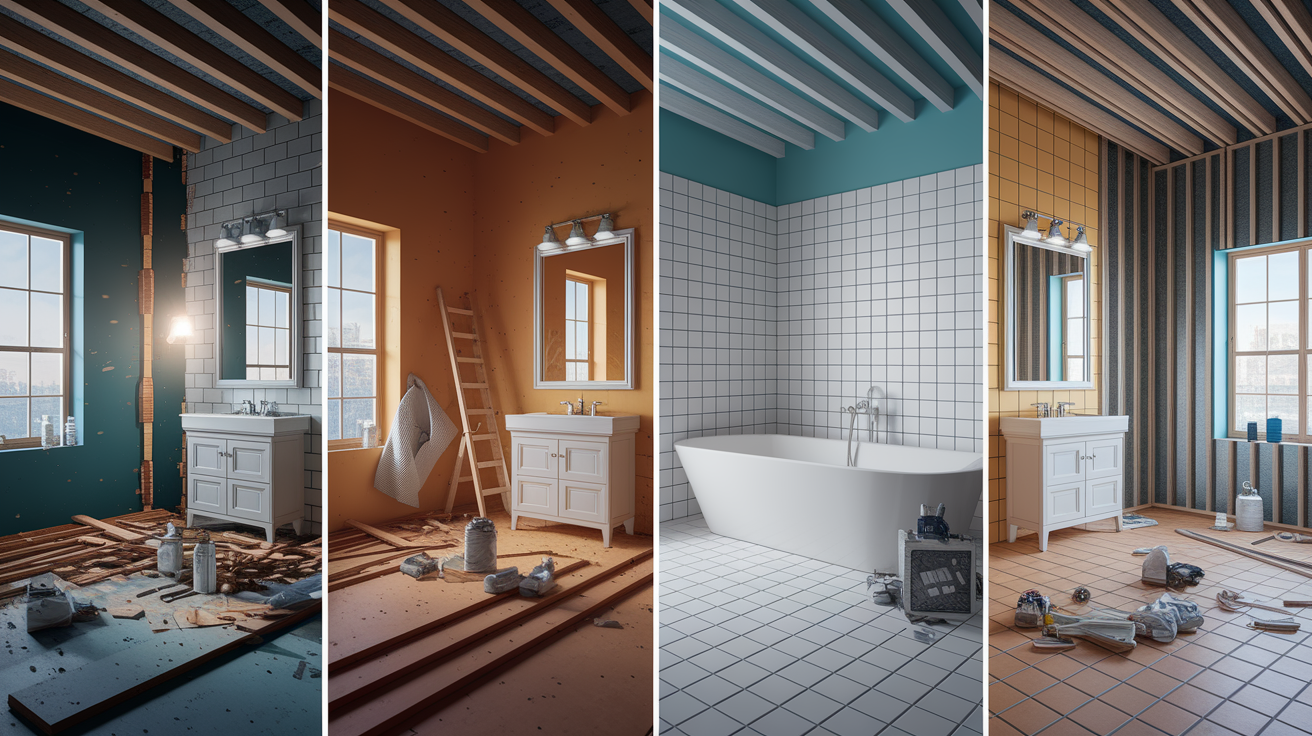
Most bathroom remodels follow a predictable 4 week sequence with task durations varying by size and complexity. Each week focuses on distinct phases.
Week 1: Demolition and Rough-In Work
Week 1 starts with a pre-construction meeting taking 1 day to review scope, confirm material picks, establish job site rules, and walk through the demo plan. Jobsite protection takes half to 1 day for protective floor coverings, plastic barriers to contain dust, and ventilation setup.
Demo requires 1 to 2 days depending on scope. Tearing out an old vanity and toilet takes half a day. Gutting tile, fixtures, drywall, and old plumbing stretches to 2 full days. The workspace gets cleaned and debris removed before rough-in starts.
Rough-in installation covers major system work. Plumbing rough-in takes 1 to 2 days to relocate supply lines, install new drain connections, and rough in shower valves. Electrical rough-in requires 1 to 2 days for new circuits, outlets, switches, exhaust fan wiring, and heated floor systems if you’re installing one.
The first inspection happens at the end of Week 1, taking 1 day to verify plumbing, electrical, and structural changes meet code. Nothing gets covered until the inspector signs off.
Week 2: Carpentry and Waterproofing
Jobsite prep and subfloor work take 2 to 3 days. You’re setting subfloor height to match new flooring thickness, installing cement board or other underlayment, and making sure everything’s level and structurally sound. Any framing corrections happen now.
Drywall repair requires 1 to 2 days based on bathroom size and how much wall surface needs work. Small bathrooms with minimal changes take 1 day. Larger spaces or projects needing full wall replacement extend to 2 days. Each coat of joint compound needs drying time.
Shower pan installation with inspection takes 1 day at the end of Week 2. The waterproof membrane or pre-formed pan goes in, gets tested for leaks, and receives inspection approval before tile starts.
Week 3: Tile Installation
Tile installation dominates Week 3. The full process takes 7 days or more total. Professional installations require 1 to 2 days for surface prep, waterproofing, and setting up layout lines, plus 5 days for floor to ceiling shower stall tiling.
Smaller tiles take longer than larger tiles. 12 inch by 12 inch floor tiles may take 1 day, while 2 inch mosaic shower tiles take the rest of the week. Each tile needs proper spacing, leveling, and time for thinset to cure before grouting. Grout application and cleanup add another full day at the end.
Week 4: Final Finishes and Completion
Insulation, drywall and painting take 1 to 4 days based on bathroom size. Small bathrooms need 1 day for touch-up painting. Larger spaces with full wall painting require 2 to 4 days including primer, finish coats, and drying time between applications.
Plumbing and electrical fixture installation with hookups requires 2 days including caulking dry time. Toilets, faucets, shower heads, towel bars, and lighting fixtures all get installed. Caulk needs 24 hours to cure before the shower’s usable.
Vanity installation takes 1 day and must happen after flooring and plumbing completion. The vanity gets leveled, secured to wall studs, and connected to supply lines and drain.
Flooring installation requires 1 to 2 days. Small vinyl floors can be completed in under one day. Larger bathrooms with tile flooring take 2 days for installation and grout curing.
Finish carpentry with punch list completion takes 1 to 2 days. Baseboards, trim, door adjustments, hardware installation, and final touch-ups happen now. The contractor walks through with you to address any remaining items.
These represent working days. Actual calendar time extends to 5 to 6 weeks when accounting for weekends, inspection scheduling delays, material delivery coordination, and contractor availability gaps between phases when crews move to other projects.
Small Bathroom Versus Master Bathroom Remodel Timeframes
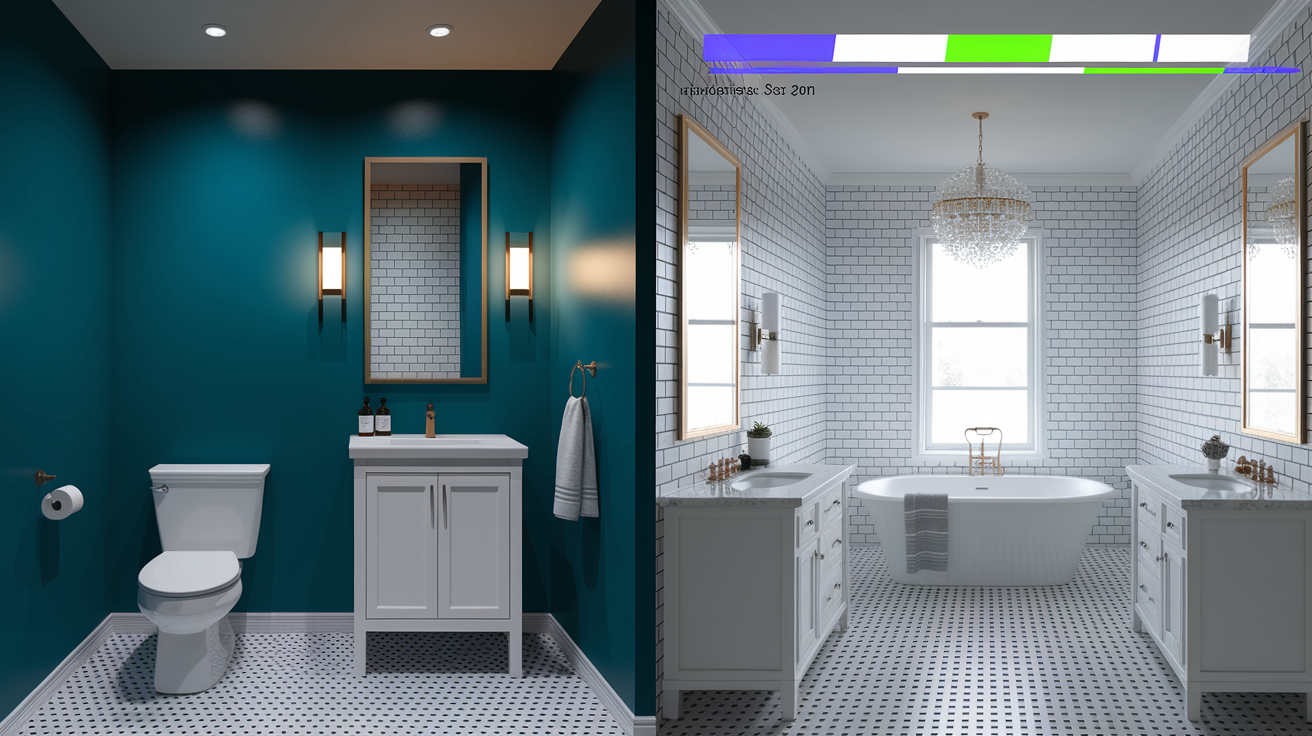
Square footage and bathroom type impact renovation duration. A 40 square foot powder room moves faster than a 120 square foot master bath with separate shower and soaking tub.
Powder rooms and half baths typically take 2 to 3 weeks for full remodels. Simple pull and replace updates without plumbing relocation can finish in as little as 5 working days. You’re dealing with less tile, fewer fixtures, and smaller surface areas for every task. Demo takes half a day instead of a full day. Tile installation finishes in 2 to 3 days instead of a full week.
Small to standard full bathrooms require 3 to 5 weeks, approximately 23 working days total. This translates to 4 to 5 calendar weeks when excluding weekends and holidays. You’re installing a tub or shower, toilet, vanity, and enough tile to cover floor and wet areas. The timeline extends when you add floor to ceiling tile in the shower, custom niches, or detailed mosaic work.
Master bathrooms and luxury renovations typically require 6 to 8 weeks due to larger square footage, multiple fixtures, separate shower and tub installations, and more complex tile work. Fully custom master bathrooms that include walk-in showers with bench seating, freestanding tubs, double vanities, heated floors, and extensive tile coverage can extend beyond 8 weeks. You’re essentially doing the work of two bathrooms in one space.
Key Factors That Extend Bathroom Remodel Duration
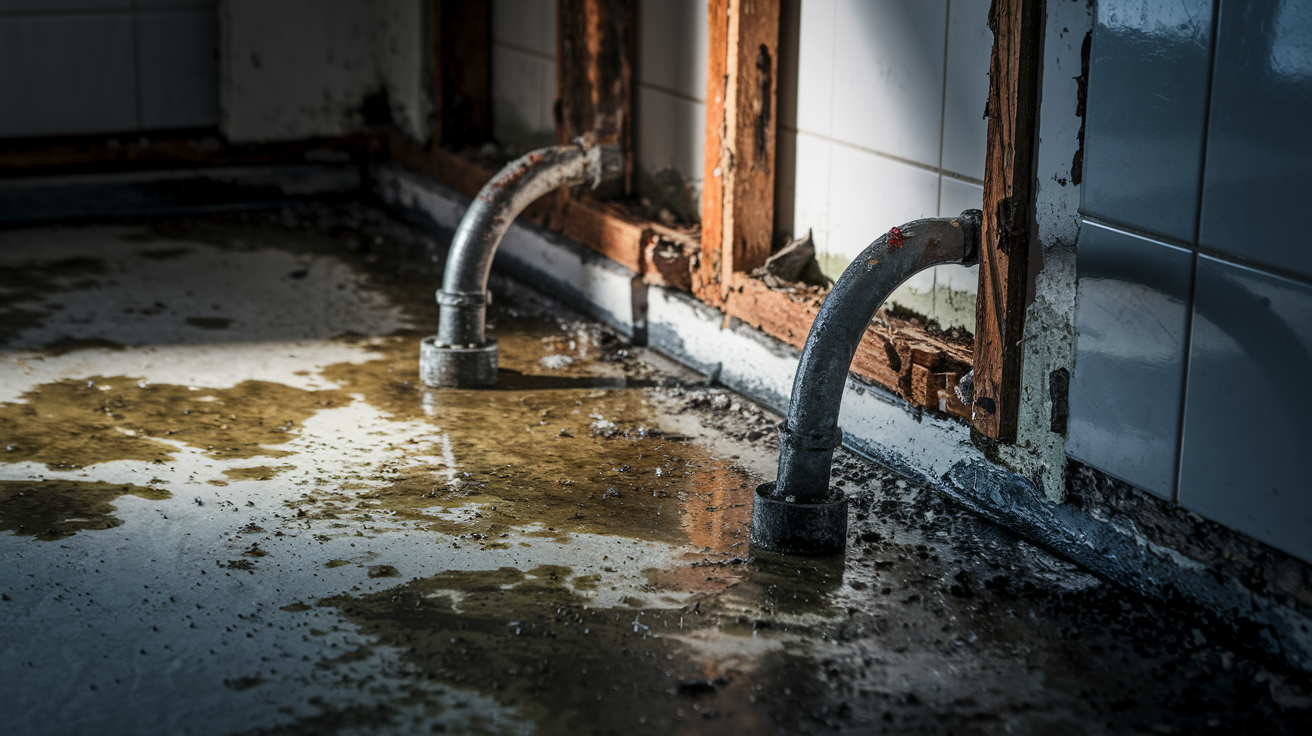
Several common factors push bathroom remodels past standard timelines. Structural issues, material availability problems, and scope changes are the top culprits.
Hidden water damage and outdated systems create the most disruptive delays. Water damage or mold issues must be addressed before remodeling continues. You can’t tile over rotted framing or install new fixtures on compromised structure. Professional mold treatment adds 3 to 7 days depending on severity. Outdated electrical systems requiring full replacement to meet current code add 2 to 3 days beyond standard rough-in work. Outdated plumbing with galvanized pipes that need complete replacement adds another 2 to 4 days. Load bearing wall considerations require structural engineering consultation and additional framing work when you’re opening up walls.
Material delays impact nearly every project. Stock items available at local suppliers keep work moving. Special order domestic products take 1 to 2 weeks for delivery. Imported tile or fixtures require 4 to 8 weeks, and custom vanities or cabinetry need 6 to 12 weeks of production time. Supply chain disruptions stretch these windows even further. Material backorders halt work completely until products arrive. You can’t tile without tile. Mid-project product selection changes create substantial delays because work stops while you source, order, and wait for new materials to arrive.
Scope extensions happen when project complexity increases. Footprint alterations require additional framing, floor leveling, and often new permit approvals. Plumbing and electrical mods beyond simple fixture swaps add days to rough-in phases. Drain line rerouting involves breaking concrete, rerouting pipes through floor joists, and coordinated inspections. Wall removal requires structural assessment, temporary support installation, and load transfer solutions. Custom elements like specialized tiling patterns, built-in storage niches, or custom shower surrounds add fabrication and installation time.
Top delay factors:
- Permit approval delays in busy jurisdictions
- Material availability and custom orders with long lead times
- Unforeseen structural damage, rot, or mold requiring treatment
- Layout changes requiring additional permits and engineering review
- Contractor scheduling conflicts when crews are shared across multiple jobs
- Mid-project design changes halting work until new materials arrive
Completing material selection during the planning phase prevents construction delays. Building in 1 to 2 weeks of buffer time beyond contractor estimates helps manage realistic expectations when unexpected issues surface.
DIY Timeline Versus Professional Contractor Duration

DIY projects typically take 2 to 3 times longer than professional work when factoring in work schedules, family commitments, and learning curves for specialized tasks.
DIY timeline realities stretch bathroom remodels significantly. Limited evening and weekend work windows mean a task that takes a professional 2 full days spreads across 2 to 3 weekends for a DIYer working 4 to 6 hours at a time. Learning curves for specialized tasks like tile installation, plumbing connections, or electrical work add hours of research, trial, error, and correction. Tool acquisition and setup time adds trips to rental centers and hardware stores. The physical demands of demo, tile setting, and fixture installation are harder to manage while maintaining regular employment and family responsibilities.
Dedicated professional contractors deliver the fastest completion. Plumbing and electrical rough-in finishes in 1 to 2 days when a focused crew arrives, completes the work, and moves to the next phase. Tile prep plus installation takes 6 to 7 days with professionals who work full days without interruption. Contractors juggling multiple jobs move at moderate speed with gaps between work phases. You’ll see the tile crew for 2 days, then they disappear for 3 days to tile another bathroom, then return to finish yours. Tiling with shared contractors can take 10+ days instead of 6 to 7 days. Full DIY approach is slowest but most budget friendly, often taking 8 to 12 weeks of calendar time for a bathroom that professionals complete in 4 to 5 weeks.
Hybrid approaches offer a middle ground timeline. DIY demo and painting combined with professional plumbing, electrical, and tile work typically extends a 4 week professional timeline to 6 to 7 weeks while saving 30 to 40% on labor costs.
Inspection Checkpoints and Their Timeline Impact

Required inspections affect overall project duration at multiple points throughout construction. Each checkpoint can add 1 to 3 days depending on inspector availability and whether work passes on first attempt.
Inspection checkpoints during construction happen at critical phases. Rough-in inspection at the end of Week 1 occurs after plumbing and electrical work to verify system changes meet code before walls get closed up. Shower pan waterproofing test at the end of Week 2 confirms the pan holds water without leaks before tile installation begins. Inspectors often require a 24 hour flood test. Final inspection before project completion verifies all work meets code, fixtures function properly, and ventilation operates correctly.
Inspection scheduling impacts add real delays. Each checkpoint can add 1 to 3 days to the timeline when inspectors have limited availability during busy construction seasons. Failed inspections require corrections and re-inspection adding 2 to 5 additional days depending on the scope of required fixes and how quickly you can get back on the inspector’s schedule. Coordination delays happen when multiple trades need simultaneous verification. If your plumber and electrician aren’t available the same day the inspector arrives, you’re rescheduling.
Some jurisdictions offer programs like Portland’s Field Issuance Remodel permitting with a single inspector who handles all checkpoints. Scheduling inspections in advance during the planning phase minimizes wait times. Give your inspector 3 to 5 days notice rather than calling the morning you’re ready.
Strategies to Minimize Delays and Expedite Completion

Proper planning during pre-construction creates the biggest time savings. Decisions made before demo prevent mid-project delays that halt work.
Pre-construction strategies that compress timelines include finalizing all design decisions before demo begins. Tile layout, fixture models, vanity style, paint colors, and hardware selections should be locked in. Order long lead materials early, particularly imported tile, custom vanities, or specialty fixtures that need 6 to 12 weeks. Obtain permits before your contractor’s start date so approval doesn’t hold up demo. Schedule inspections in advance with your local building department, aiming for specific dates that align with your construction phases.
Construction phase efficiency tactics keep work moving without gaps. Maintain existing plumbing and electrical locations when possible. Projects avoiding layout changes finish faster because you’re not rerouting systems through walls and floors. Select in-stock materials available for immediate pickup or next day delivery. Avoid mid-project design changes that require new material orders and contractor schedule adjustments. Avoid custom elements that add production time. Standard size vanities ship in days while custom builds take weeks. Hire dedicated contractors rather than those juggling multiple jobs so your project gets continuous attention instead of getting squeezed between other commitments.
Five steps to expedite completion:
- Complete material selection during planning phase with backup product choices identified
- Avoid layout changes and footprint alterations that trigger additional permits
- Maintain clear contractor communication with weekly check-ins and immediate responses to questions
- Prepare backup product choices in case first selections are on backorder
- Schedule projects during contractors’ slower seasons (winter in most regions) when availability is better
Don’t rush quality workmanship for the sake of speed. Proper tile installation, thorough waterproofing, and careful fixture alignment prevent callbacks and repairs that ultimately take more time than doing it right the first time.
Realistic Scheduling Expectations and Temporary Arrangements
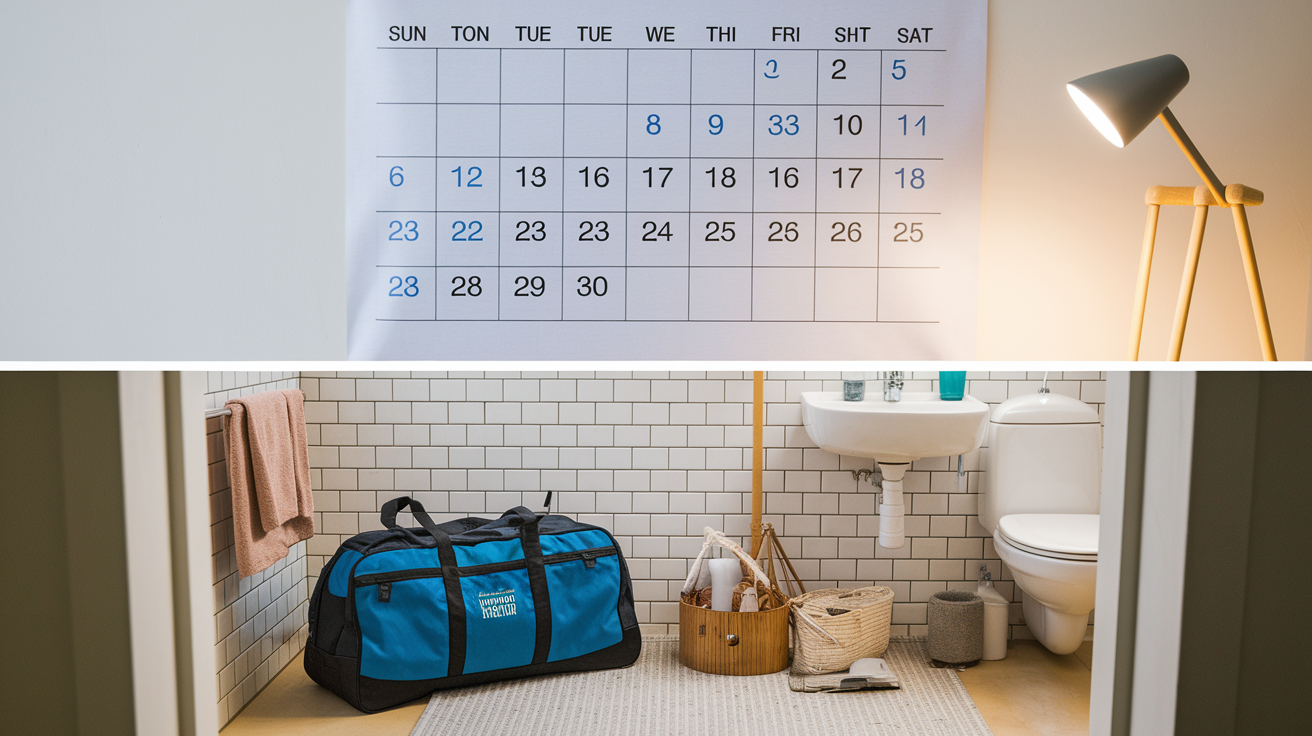
Working days don’t equal calendar time. Twenty three working days typically translates to 5 to 6 calendar weeks when accounting for weekends, inspection scheduling, material delivery coordination, and contractor availability gaps.
The difference between working days and calendar time matters for planning. Contractors work Monday through Friday in most cases, so weekends add 8 to 10 days to any project spanning multiple weeks. Inspection scheduling adds 1 to 2 days per checkpoint when you’re waiting for inspector availability. Material delivery delays happen even with advance ordering. Tile arrives Tuesday instead of Friday, pushing tile installation back 4 days. Contractor availability gaps occur when plumbers finish rough-in on Thursday but drywall crews aren’t available until the following Tuesday, creating a 5 day gap where no work happens.
Temporary living arrangements require planning when you’re remodeling your only bathroom or your family’s primary bathroom. Using alternative bathrooms in the home works if you have a second bathroom available. Portable toilet rentals for single bathroom homes cost $100 to $200 per month. Showering at gym facilities or using neighbors’ showers works for short term projects. Staying with family during critical phases when water is shut off for 2 to 3 days during plumbing rough-in prevents disruption.
Add 1 to 2 weeks of buffer time to contractor estimates to account for waiting periods for permits, inspections, and addressing hidden issues like water damage or outdated systems discovered during demo. Prepare backup plans for bathroom access throughout the renovation period rather than assuming best case completion dates.
Final Words
Most bathroom remodels take 3-8 weeks during construction, but how long does bathroom remodel take overall depends on pre-construction planning and your specific scope.
Add 2-8 weeks upfront for design, permits, and material ordering. Then expect 3-4 weeks for small bathrooms, 5-7 weeks for full remodels, or 9-10+ weeks for gut renovations.
Build in buffer time for inspections and material delays. Complete your selections early, avoid mid-project changes, and plan temporary bathroom arrangements.
With realistic scheduling and proper prep, you’ll get through it without major surprises.
FAQ
Is $10,000 enough for a bathroom remodel?
$10,000 is enough for a bathroom remodel in most cases, covering a standard full bathroom with mid-range fixtures, tile, and finishes when you maintain the existing layout and avoid moving plumbing or electrical lines.
What is the 30% rule for renovations?
The 30% rule for renovations suggests allocating approximately 30% of your total remodel budget as contingency funds to cover unexpected issues like hidden water damage, plumbing problems, or material price increases discovered during construction.
How fast can a bathroom remodel be done?
A bathroom remodel can be done in as little as 5 working days for simple cosmetic updates without plumbing changes, while full remodels typically require 3-8 weeks depending on project scope and complexity.
Can you redo a bathroom for $5000?
You can redo a bathroom for $5000 by focusing on cosmetic improvements like painting, fixture replacement, vanity swaps, and stock materials while avoiding plumbing relocation, layout changes, or custom tile work that significantly increase costs.
How long does demolition take in a bathroom remodel?
Demolition takes 1-2 days in a bathroom remodel depending on the scope, with simple fixture removal requiring half a day while complete gut demolition removing all finishes, subfloor, and wall materials requires 1-2 full days.
What is the longest phase of a bathroom remodel?
The longest phase of a bathroom remodel is tile installation, which typically takes 7 days or more including surface preparation and floor-to-ceiling shower installations, with smaller mosaic tiles requiring more time than larger format tiles.
How do inspection requirements affect bathroom remodel timelines?
Inspection requirements affect bathroom remodel timelines by adding 1-3 days at multiple checkpoints including rough-in inspection after plumbing and electrical work, shower pan waterproofing verification, and final inspection before project completion.
Should I stay in my home during a bathroom remodel?
You should stay in your home during a bathroom remodel if you have access to another bathroom, but single-bathroom homes may require temporary arrangements like gym memberships for showers or portable toilet rentals during construction.
What delays bathroom remodels the most?
Material availability delays bathroom remodels the most, with imported fixtures requiring 4-8 weeks, custom cabinetry taking 6-12 weeks, and mid-project material changes halting work until new products arrive at the jobsite.
How much faster are professional contractors than DIY?
Professional contractors are 2-3 times faster than DIY approaches, completing plumbing and electrical rough-in in 1-2 days versus multiple weekends, and finishing tile installation in 6-7 days compared to weeks for homeowners learning as they work.
When should I order materials for a bathroom remodel?
You should order materials for a bathroom remodel during the planning phase before demolition begins, with custom items ordered 6-12 weeks early, imported products 4-8 weeks ahead, and special-order domestic materials 1-2 weeks before installation dates.
How long does it take to get a bathroom remodel permit?
It takes 2 weeks to several months to get a bathroom remodel permit depending on your local jurisdiction’s workload, project complexity, completeness of submitted plans, and whether you’re making structural or major system changes.