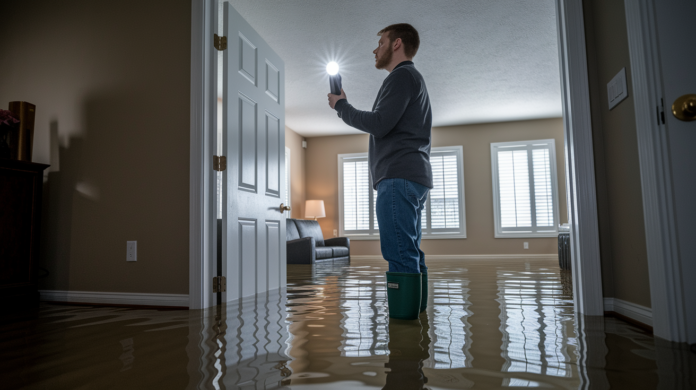

You can’t just start pulling wet carpet and tossing soggy furniture after a flood. Contaminated water carries sewage and chemicals that’ll make you sick. Saturated structures collapse without warning. Live electricity hiding in standing water kills instantly. The real work isn’t cleanup, it’s identifying the hidden hazards that turn recovery into a trip to the ER. This guide walks you through the go/no-go decision at the door, the gear that actually protects you, and the specific dangers most people miss until it’s too late.
Immediate Safety Assessment and Go/No-Go Decision
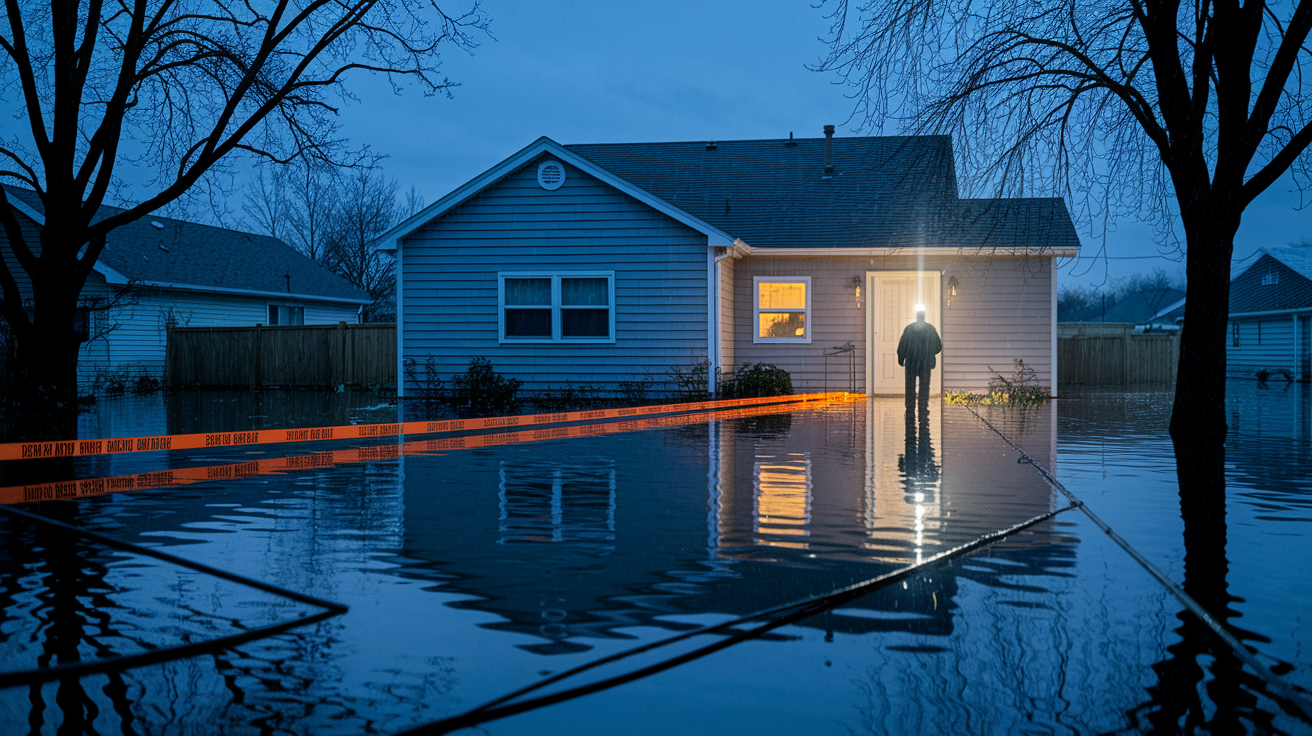
The first thing you need to figure out at a flooded property is whether it’s even safe to go inside. A lot of situations need immediate evacuation and professional help before any cleanup can start. Standing water, visible damage, or utility problems can turn what looks like a recovery job into something that gets you killed.
Before you step inside, do this visual check from outside:
- Check for downed power lines within 35 feet of the structure
- Look for sagging rooflines or leaning walls
- Smell for gas near the building
- Look at water depth (anything over 12 inches means you need pros)
- Listen for sparks or electrical buzzing
- Look for oil sheens on the water
- Make sure you can reach the main breaker and it’s dry
- Check for foundation cracks or separation
Your decision is pretty straightforward. If you detect electrical hazards, gas leaks, or structural damage, get out and stay out. Call emergency contacts before you go in if water hit the electrical panel or you’re unsure about utilities. Only proceed when power’s confirmed off at the main breaker, there’s no gas smell, and the structure looks stable.
If you’ve decided it’s safe enough to go in, do these things first. Check that the main breaker’s actually off and turn the gas valve to the off position. Test the floor from the doorway before you put weight on it. Water-saturated subflooring collapses without warning. Keep your exit route clear. And don’t work alone. If something goes wrong, you need someone who can call for help.
Essential Personal Protective Equipment for Flood Damage Work

PPE isn’t optional for this work. Contaminated water carries sewage, chemicals, and biological stuff that’ll make you seriously sick through skin contact, breathing it in, or swallowing it by accident.
| Equipment Type | Specific Requirement | Purpose |
|---|---|---|
| Rubber Boots | Knee-high minimum, steel toe preferred | Protect from contaminated water and puncture wounds |
| Waterproof Gloves | Chemical-resistant, elbow-length | Prevent skin contact with sewage and chemicals |
| Respirator Mask | N95 or better rating for mold spores | Block airborne mold spores and sewage aerosols |
| Eye Protection | Sealed safety goggles, not glasses | Prevent contaminated splashes from entering eyes |
| Clothing | Long sleeves and pants, no exposed skin | Create barrier against contaminated water contact |
| Hard Hat | Required in areas with structural damage | Protect from falling debris and ceiling material |
| First Aid Kit | Stocked with wound care supplies | Immediate treatment for cuts and punctures |
PPE cuts your risk but doesn’t eliminate it. Even with proper gear, you’re still exposed to things that can make you sick. Sewage contains bacteria and viruses that find their way past protective equipment through small tears or gaps. Chemical exposure happens when you touch your face or eat without washing contaminated gloves first. Some glove materials break down over time when exposed to certain chemicals. If your PPE gets damaged, replace it right away. Compromised protection is worse than none because it makes you think you’re safe when you’re not.
Electrical Shock Hazards and Power Shutoff Procedures

Electrical shock kills more people during flood cleanup than almost anything else. Standing water conducts electricity from submerged outlets, damaged wiring, and appliances you can’t even see. One step into electrified water and you’re done.
Follow this sequence before entering any flooded area:
- Call your utility company if the main panel’s in the flooded area. Don’t try to shut it off yourself
- Turn off power at the main panel only if you can reach it without stepping in water and the panel’s completely dry
- Never enter standing water if power’s still on
- Look and listen for sparks, buzzing, or burning smells near walls or the panel
- Keep any generator outdoors, at least 20 feet from the building with exhaust pointed away from openings
- Hire a qualified electrician to inspect everything before restoring power
You need professional electrical inspection in specific situations, and you can’t skip this. Any time water hit your panel, get it checked. Visible wiring damage anywhere needs assessment. If the panel was submerged, it probably needs replacement, not just cleaning.
Generator safety kills people every year, so pay attention. Never run a generator indoors. Not even in a garage with the door open. Carbon monoxide from generator exhaust is odorless and kills fast. You won’t feel it in time to save yourself. Keep it outside, downwind from any opening, running while you work but off when you leave.
Contaminated Water Risks and Sewage Exposure

All floodwater is contaminated. Doesn’t matter how clean it looks. Even if it came from a broken supply line, it picked up bacteria, chemicals, and waste as it moved through your home.
Floodwater carries sewage from backed-up lines, overflowing septic systems, and toilets. Chemicals from cleaning products, pesticides, fuel, and automotive fluids mix in. Animal waste from pets and wildlife adds pathogens. Every surface the water touched is now contaminated.
Specific diseases include E. coli causing severe digestive problems, hepatitis damaging your liver, leptospirosis from animal urine causing kidney and liver failure, and tetanus from bacteria entering wounds. These aren’t minor bugs. You get infected by swallowing contaminated water, getting it in your eyes or mouth, or letting it contact cuts and scrapes.
Follow these rules:
- Assume all water’s contaminated
- Never drink floodwater or use it for cooking, even boiled
- Throw out all food the water touched, including canned goods
- Check with local authorities before using tap water
- Don’t touch your mouth during cleanup
- Wash hands constantly with clean water and soap
- Keep kids and vulnerable people completely away
- Throw out cosmetics and medications the water contacted
Tetanus is a specific danger. Sharp objects hide in debris under murky water. Nails, metal, broken glass, splintered wood. When you step on or grab something that breaks your skin, bacteria from contaminated water enters the wound. If your tetanus shot isn’t current (within 10 years), get a booster before you start. Tetanus causes muscle spasms, lockjaw, and death. It’s completely preventable.
Structural Collapse Dangers and Building Inspection

Water-saturated materials lose strength fast. Drywall that held for decades becomes heavy mush. Wood swells and weakens. Concrete cracks when soil beneath erodes. The building that looked solid is now compromised in ways you can’t see.
Standing water creates immediate danger. Six inches across a 2,000 square foot floor adds roughly 62,000 pounds the structure wasn’t designed to carry. Saturated drywall weighs three to four times normal. Ceiling material sags until it drops. Material saturation keeps weakening wood even after water’s removed. Soil erosion under foundations causes settling and cracking even after water recedes.
Get out immediately if you see:
- Sagging or uneven floors that feel spongy
- Cracks in walls or foundation, especially new ones wider than 1/4 inch
- Doors and windows that suddenly won’t close
- Visible wall bulging
- Ceiling stains or sagging
- Tilting or separation where walls meet foundation
- Strange noises like creaking or popping from the structure
Before you start removing stuff or documenting for insurance, photograph everything from multiple angles. Document water lines on walls, damaged materials, and structural issues. Insurance adjusters need this to process claims, and cleanup will eliminate the visible damage that proves your loss. Take photos before you touch anything, but don’t risk getting hurt for documentation.
You need professional building inspection before cleanup when you see any structural damage or when water depth went over 12 inches. A certified inspector knows what to look for in walls, crawl spaces, and attics where hidden damage threatens the structure. If they clear it, proceed carefully. If they red-tag it, stay out.
Mold Growth Prevention and Respiratory Safety

Mold spores start growing within 24 to 48 hours of water exposure. That’s your window to remove water, dry materials, and prevent an additional disaster.
Health Risks from Mold Exposure
Mold creates serious respiratory problems for anyone exposed, but vulnerable populations face life-threatening risks. Breathing spores triggers allergic reactions like sneezing, coughing, rashes, and eye irritation in most people. Extended exposure causes chronic coughing, breathing difficulty, and asthma attacks. Black mold produces toxins that cause bleeding in lungs and intestines when exposure’s heavy.
Kids and elderly folks have weaker immune systems. Anyone with compromised immunity from cancer treatment, HIV, transplant, or autoimmune disease should never enter mold-affected areas. Their bodies can’t resist fungal infections that develop when spores enter lungs. Pregnant women should avoid exposure because some mold toxins cause developmental problems.
Stopping Mold Before It Starts
Your prevention window is the first 48 hours. What you do immediately determines whether you’re cleaning up flood damage or demolishing a mold-contaminated building:
- Remove standing water immediately using pumps, wet vacs, and buckets
- Open all windows and doors for air movement
- Run dehumidifiers continuously to pull moisture from air (aim for under 50% humidity)
- Remove wet porous stuff like drywall, insulation, and carpet within 48 hours
- Clean hard surfaces with bleach solutions
- Monitor hidden moisture in walls using moisture meters
When you need professionals depends on what you’re facing. Mold growth over 10 square feet requires certified techs with containment equipment. Black mold means you evacuate and call pros immediately. Even if growth’s limited, consider calling if you don’t have industrial drying gear to remove moisture within 48 hours. Trying to save money on DIY often costs more when mold develops and requires professional remediation anyway.
Gas Leak Detection and Chemical Hazards

Gas leaks from damaged lines pose immediate explosion risk. The slightest spark from a light switch, electrical short, or static electricity can ignite gas-filled air. You won’t get a second chance.
Carbon monoxide poisoning from gas leaks is equally dangerous but harder to detect. Early symptoms include headache, dizziness, and nausea. Things you might think are just stress or fatigue. As poisoning progresses, you lose consciousness and die without realizing what’s happening.
Chemical hazards in floodwater come from dozens of sources. Household cleaners spill and mix. Pesticides contaminate water. Fuel oil creates toxic sheens. Paint, solvents, and automotive fluids add to the mix. Every chemical container in your home is potentially empty with its contents dissolved in the water.
| Hazard Type | Warning Signs | Immediate Action |
|---|---|---|
| Natural Gas Leaks | Rotten egg smell, hissing sound near gas lines, dead vegetation outside | Evacuate immediately, call gas company from outside, no lights or phones inside |
| Fuel Oil Spills | Rainbow oily sheen on water, strong petroleum odor | Ventilate area, avoid ignition sources, call hazmat cleanup if extensive |
| Chemical Containers | Damaged or leaking containers, chemical odors, skin or eye irritation | Do not touch, ventilate, evacuate if fumes are strong, call poison control |
| Asbestos Materials | Homes built before 1980, damaged insulation or ceiling tiles | Stop work, do not disturb material, hire certified asbestos abatement company |
| Lead Paint | Pre-1978 homes, peeling or damaged painted surfaces | Avoid creating dust, wet methods only, consider certified lead remediation |
Gas line shutoff needs care. Find your gas meter outside and locate the shutoff valve on the supply pipe. You’ll need a wrench to turn the valve 90 degrees. Once gas is shut off, only the gas company or a licensed plumber can restore service. You can’t turn it back on yourself.
Call 911 for gas leaks that pose immediate danger. Strong smell, hissing, or visible damage. Call your utility’s emergency line for gas smell that isn’t severe or when you’ve shut off gas as a precaution. Never attempt gas line repairs yourself. Licensed gas fitters handle this because mistakes kill people.
Safe Debris Removal and Physical Injury Prevention
Debris removal causes most injuries during flood cleanup, and those “minor” injuries become serious fast. A small cut becomes tetanus infection. A tweaked back turns into weeks of immobility. A slip results in a broken bone that ends your cleanup and adds medical bills.
Tetanus infection from puncture wounds is the specific danger that turns small injuries catastrophic. Contaminated nails, metal, and wood hide in debris and water. When they break your skin, bacteria enter. Without current vaccination, tetanus develops and causes muscle spasms, lockjaw, and death. Limited medical access during flood recovery means you might not get treatment quickly.
Prevent injuries with these techniques:
- Wear steel-toe rubber boots
- Clear walkways continuously to prevent slips on wet surfaces
- Bend your knees instead of your back for every lift
- Get help with anything over 50 pounds or awkward to grip
- Take breaks every 30 to 45 minutes
- Watch for heat exhaustion (dizziness, nausea, rapid heartbeat, confusion)
- Keep your first aid kit within reach
- Never work alone
- Pace yourself to avoid stress that causes poor judgment about what’s safe
Proper waste disposal protects your insurance claim. Contact local authorities before hauling debris to understand disposal options. Many communities set up temporary collection sites during recovery.
Separate hazardous materials from regular debris. Hazardous stuff includes paint and thinners, pesticides, fuel and motor oil, asbestos materials, and lead paint chips. Never dump contaminated materials in storm drains or ditches. Use designated sites or schedule hazmat pickup. Document disposal with photos and receipts for insurance.
For items you’re sorting, create three zones: keep, dispose, and unsure. Hard goods that can be cleaned go in keep. Porous surfaces, heavily damaged items, and anything with sewage contact goes in dispose. When you’re unsure, photograph the item and set it aside for adjuster review. You can’t get reimbursement for items the adjuster never saw.
Sanitization and Disinfection After Water Damage
Proper disinfection is required for every surface floodwater touched. Bacteria and viruses survive on surfaces for days or weeks. Inadequate cleaning leaves your home contaminated even though it looks dry.
Sewage in floodwater contains human waste and everything else that goes down drains. The bacteria and viruses cause illness through skin contact, breathing dried particles, and accidental ingestion when you touch contaminated surfaces then eat. Surface contamination doesn’t disappear when water evaporates. It concentrates.
What Must Be Removed vs. What Can Be Cleaned
| Material Type | Salvage or Remove | Cleaning Method |
|---|---|---|
| Drywall | Remove if wet longer than 48 hours | Not salvageable, cut out and discard, including 12 inches above water line |
| Carpet and Padding | Remove all | Cannot sanitize porous surfaces, pad holds sewage contamination permanently |
| Wood Furniture | Salvage solid wood only | Scrub with detergent, apply disinfectant, dry thoroughly, refinish if needed |
| Upholstered Furniture | Remove | Contaminated materials in cushions and fabric cannot be adequately cleaned |
| Hard Flooring | Salvage tile, vinyl, hardwood (if not warped) | Scrub with brush and detergent, disinfect with bleach solution, dry completely |
| Insulation | Remove all wet material | Wet insulation loses R-value and grows mold, no cleaning method works |
| Personal Items | Case-by-case based on value and contamination | Disinfect non-porous items only, photos, electronics, hard-surface valuables |
| Appliances | Salvage if properly dried and cleaned | Requires qualified electrician inspection before use, internal components must be verified safe |
EPA guidelines for disinfection require specific concentrations and contact times. Mix bleach at 1 cup per gallon of water for surface disinfection. Apply to clean surfaces (dirt blocks disinfectant). Keep the surface visibly wet for 10 minutes. Open windows and use fans for ventilation (bleach fumes irritate your lungs). Wear full PPE including gloves, eye protection, and respirator. Rinse food-contact surfaces after 10 minutes using clean water.
EPA compliance isn’t just about health. Insurance documentation often specifies EPA-approved methods. If you don’t follow guidelines and document your process, your insurance may require professional restoration anyway. Take photos showing your cleaning products, application, and final results.
Wildlife Encounters and Pest Infestation Hazards

Floodwater displaces wildlife and forces them into your home seeking dry shelter. Snakes and rodents that normally avoid people become aggressive when desperate and cornered. Standing water creates breeding grounds for mosquitoes that swarm within days. Animal carcasses create biohazards and attract more pests.
Wildlife encounters increase during cleanup because you’re working exactly where displaced animals hide. Dark basements, cluttered corners, and debris piles provide shelter for snakes, rodents, and other wildlife. The animals are stressed, scared, and likely to bite when you disturb them.
Follow these practices:
- Inspect every area with a flashlight before entering, even during daytime
- Make noise as you work to scare away snakes and rodents
- Seal entry points immediately after clearing areas
- Wear thick gloves rated for puncture resistance when handling materials with droppings
- Never touch or remove animal carcasses yourself
- Watch for mosquito and fire ant bites
- Address standing water within 5 days to prevent mosquito explosions
You need pest control when wildlife populations are extensive or you’re dealing with venomous species. Pros handle snake removal safely. Rodent infestations exceeding a few droppings need professional treatment because disease transmission is serious. Extensive insect infestations like fire ants, wasps, or hornets need professional pesticides and gear.
You can handle occasional individual snakes or rodents you can scare away, minor insect presence with retail sprays, and prevention work like sealing entry points. If you’re seeing wildlife daily or finding nests, the problem’s too big for DIY.
When Professional Restoration Services Are Required
Professional companies have certified techs trained in safety, equipped with specialized tools, and insured for hazardous work. Yes, it costs money when you’re already facing flood losses. But certain situations aren’t safe for homeowner cleanup and attempting DIY creates greater liability, expense, and health risks.
Call pros in any of these scenarios:
- Water depth over 12 inches at any point
- Sewage contamination from toilet overflow or sewer backup
- Electrical systems were submerged
- Structural damage is visible
- Mold growth over 10 square feet or black mold
- Gas leaks suspected or confirmed
- Asbestos risk in pre-1980 homes with damaged insulation or ceiling material
- Lead paint hazard in pre-1978 homes requiring demo work
- Contamination spread through HVAC when it was running during flooding
- Cleanup must be done within 24 to 48 hours to prevent mold (DIY isn’t fast enough)
- Anyone in your household has compromised immunity
- Hidden moisture suspected in walls, ceilings, or under flooring
- Insurance requires professional documentation
- Water source was sewage backup or flood with sewage
- Extensive pest infestations need professional treatment
Certified techs bring capabilities you can’t replicate. Professional drying gear includes industrial dehumidifiers removing 10 to 20 times more moisture than retail units, air movers creating airflow patterns that dry hidden areas, and thermal imaging finding wet spots you can’t see. They follow EPA guidelines and comply with OSHA standards, protecting you from liability if workers get injured. They create timeline estimates insurance companies accept and documentation that satisfies policy requirements. When the job involves serious hazards, certified techs have training and insurance to handle work that puts unlicensed homeowners at legal and financial risk.
Vetting companies means checking credentials, not just prices. Verify IICRC certification as the industry standard. Confirm insurance and bonding protecting you if workers are injured or cause damage. Get multiple written estimates detailing scope, timeline, and costs. Understand that emergency response fees apply for immediate service. Paying more to start today prevents worse damage. Ask if they follow OSHA and EPA guidelines. Get clear timeline expectations in writing so you can plan temporary housing. Verify local licensing through your building department.
Professional help isn’t failure or waste. It’s recognizing when the job exceeds safe capability and making the smart choice to protect your health, your home, and your financial recovery.
Medical Preparedness and Mental Health During Cleanup
Tetanus risk increases dramatically during cleanup. Every piece of debris under murky water is a potential puncture source. Rusty nails, metal, broken glass, splintered wood. When contaminated material breaks your skin, bacteria enters and starts multiplying. Without current vaccination, tetanus develops within days to weeks.
Check your vaccination record before starting. If your last shot was over 10 years ago, get a booster immediately. Don’t wait until after you get injured. If you can’t remember, assume you need one.
Keep a first aid kit accessible during all work, not locked in a vehicle. Stock it with sterile gauze, antiseptic, antibiotic ointment, waterproof bandages, and medical tape. When you get cut, stop work immediately. Clean the wound with soap and water, apply antiseptic, and cover with a waterproof bandage. Change it daily and watch for infection signs like increased redness, swelling, warmth, or pus. Any infection signs need medical attention. Contaminated wounds don’t heal like normal cuts.
| Contact Type | When to Call | Information Needed |
|---|---|---|
| Poison Control | Chemical exposure, unknown substance contact, chemical mixing accident | Product name if known, symptoms, amount of contact, time of exposure |
| Local Health Department | Waterborne disease symptoms, water safety questions, sewage contamination concerns | Address, symptom description, water source information, exposure timeline |
| Emergency Services 911 | Severe injury, electrical shock, gas leak emergency, structural collapse | Exact address, nature of emergency, number of people affected, current condition |
| Utility Companies | Power line down, gas smell, water main break, utility damage | Account number, service address, specific hazard location and description |
| Building Inspector | Structural damage assessment, safety clearance needed before work proceeds | Property address, damage description, permit numbers if applicable |
| Mental Health Hotline | Overwhelming stress, anxiety, trauma symptoms, need for emotional support | Your situation, immediate concerns, whether you feel unsafe |
Protecting vulnerable populations requires hard boundaries. Kids and elderly folks must stay away until professional cleaning’s verified complete. Kids don’t understand contamination and touch everything. Elderly people have weaker immune systems. Anyone with compromised immunity from cancer treatment, HIV, transplant, diabetes, or autoimmune disease can’t participate in any cleanup activities. Their bodies can’t resist infections from sewage, mold, or bacteria. Pregnant women should avoid all contaminated water because some pathogens and chemicals cause birth defects. Anyone with respiratory problems like asthma or COPD must not enter mold-affected areas or spaces with poor air quality.
The mental stress and physical fatigue of flood cleanup breaks people faster than the work itself. You’re dealing with property loss, financial pressure, displacement, and exhaustion all at once. This isn’t a weekend project. Cleanup takes weeks or months.
Take regular breaks every couple hours, not just when you’re exhausted. Eat real meals. Sleep full nights instead of working until midnight. Work in teams for safety backup and emotional support. Recognize when you need to step back. Pushing through exhaustion leads to dangerous mistakes. Injuries happen when you’re too tired to notice hazards. Bad decisions get made when stress clouds judgment.
Taking care of yourself isn’t selfish during this process. It’s necessary to complete the work safely and protect your long-term recovery. Flood cleanup that puts you in the hospital doesn’t help anyone. Pace yourself, accept help when offered, and know when to hand difficult work to professionals who can handle it without the emotional weight you’re carrying.
Final Words
Flood cleanup safety hazards to avoid aren’t optional considerations—they’re life-or-death decisions that determine whether you complete the work safely or end up in the hospital.
Electric shock, contaminated water, structural collapse, gas leaks, and toxic mold can all turn a recovery project into a medical emergency.
Before you start pulling up carpet or hauling debris, run through the safety checklist: confirm power is off, verify the structure is stable, gear up with proper PPE, and know when to call the professionals instead of pushing forward alone.
The goal isn’t just clean rooms—it’s finishing the job without injury, infection, or long-term health problems that cost more than the flood damage itself.
FAQ
What hazards exist during floodwater cleanup and disaster recovery work?
Floodwater cleanup hazards include electrical shock from submerged wiring, structural collapse from water-saturated materials, sewage contamination carrying bacteria and viruses, gas leaks creating explosion risks, mold spores causing respiratory problems, chemical exposure from fuel spills, sharp objects in debris causing puncture wounds, and carbon monoxide poisoning from indoor generator use.
What are essential flood safety precautions?
Essential flood safety precautions include shutting off electricity at the main breaker before entering, wearing full PPE (rubber boots, waterproof gloves, N95 respirator), checking for structural damage from outside first, never entering if gas leaks are suspected, treating all water as contaminated, removing standing water within 24 hours to prevent mold growth, keeping generators outdoors 20+ feet from buildings, and never working alone during cleanup.
What should you avoid doing after flood damage?
After flood damage, avoid entering flooded areas before confirming power shutoff, consuming any food or drinking water touched by floodwater, attempting cleanup if structural damage is visible, using generators indoors, touching downed power lines, trying to salvage porous materials like drywall or carpet, working without proper PPE, and starting cleanup alone without establishing emergency contacts and exit routes.
What are the two main health risks from floodwater exposure?
The two main health risks from floodwater are sewage contamination carrying bacteria and viruses including E. coli, hepatitis, and tetanus transmitted through open wounds or hand-to-mouth contact, and respiratory problems from mold spores that begin growing within 24-48 hours, causing allergic reactions and serious health effects for vulnerable populations including children and elderly.
When do you need professional restoration instead of DIY cleanup?
Professional restoration is required when water depth exceeded 12 inches, sewage contamination is present, electrical systems were submerged, visible structural damage exists, mold growth exceeds 10 square feet, gas leaks are suspected, asbestos or lead paint risks exist in older homes, or occupants have compromised immune systems requiring certified technicians following OSHA standards.
How do you check if a flooded building is safe to enter?
Check building safety from outside by looking for downed power lines within 35 feet, sagging rooflines or leaning walls indicating structural damage, smelling for gas odors, observing water depth (above 12 inches requires professionals), listening for electrical buzzing or sparking sounds, checking for oil sheens from fuel spills, and verifying the main breaker is accessible and dry before entering.
What PPE is required for flood cleanup work?
Required PPE for flood cleanup includes knee-high rubber boots, chemical-resistant waterproof gloves, N95 respirator or better for mold spores, sealed eye protection goggles, long sleeves and pants, hard hat when structural damage is present, and an accessible first aid kit, though PPE reduces but does not eliminate exposure risks from sewage contamination.
How quickly does mold start growing after water damage?
Mold spores begin growing within 24-48 hours of water exposure, making the first two days critical for mold growth prevention. Remove standing water immediately, increase proper ventilation with fans and open windows, run dehumidifiers continuously, and remove wet porous surfaces like drywall and carpet within 48 hours to stop mold before it becomes uncontrollable.
What materials must be removed versus cleaned after flooding?
Materials requiring removal include all drywall wet longer than 48 hours, carpet and padding (porous surfaces cannot be sanitized), wet insulation, upholstered furniture, and contaminated materials touched by sewage. Hard surfaces like solid wood furniture, hard flooring, and appliances can be salvaged using EPA-approved disinfection procedures with bleach solutions maintaining 10-minute contact time.
How do you recognize gas leaks after flood damage?
Recognize gas leaks by smelling for natural gas odor (rotten egg smell), listening for hissing sounds near gas lines, observing dead vegetation near underground lines, checking for damaged gas appliances, and watching for visible flame or sparks. If gas leaks are suspected, evacuate immediately, avoid using electrical switches or open flames, and call emergency contacts before re-entering.
Why is tetanus vaccination important during flood cleanup?
Tetanus infection risk increases significantly during flood cleanup because puncture wounds from sharp objects in debris introduce tetanus bacteria from contaminated floodwater. Anyone participating in cleanup needs tetanus vaccination updated within the last 10 years, and should get a booster immediately if overdue, plus practice proper wound care for any contaminated punctures using clean water.
What wildlife dangers exist after flooding?
Floodwater displaces wildlife including snakes and rodents seeking dry shelter in homes, standing water attracts mosquitoes causing insect bites and disease transmission, and animal carcasses create biohazards attracting pest infestations. Inspect areas with flashlight before entering, make noise to scare away animals, seal entry points immediately, and never touch animal carcasses without calling local authorities for removal.