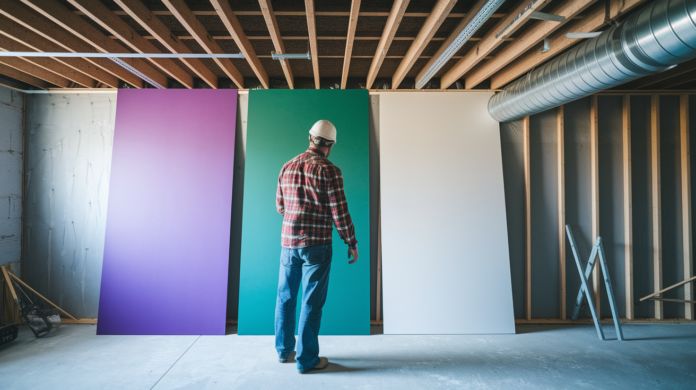

Here’s your intro paragraph:
Standard drywall in a damp basement is just future mold food wrapped in paper. The gypsum core itself doesn’t feed mold, but that paper facing soaks up moisture and turns into a breeding ground within days of the first leak or humidity spike. Mold-resistant drywall swaps organic facings for fiberglass mesh or treated surfaces that resist both water absorption and fungal colonization. It’s not magic and it’s not waterproof, but in bathrooms, basements, and laundry rooms where moisture shows up daily, it’s the difference between a repair that holds and one that comes back to haunt you.
Green Board vs. Purple Board vs. Paperless Drywall: Choosing the Right Product
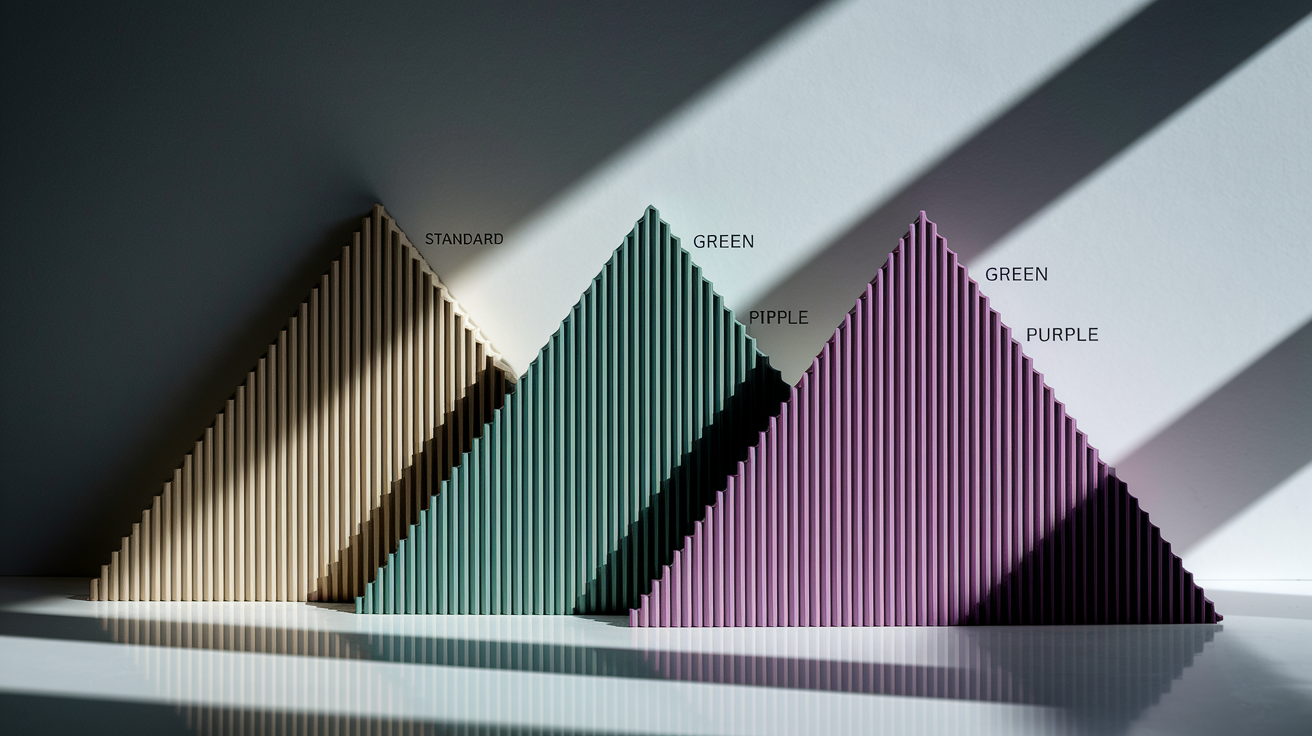
Pick based on how much moisture the wall actually sees. Light humidity where water never touches the surface directly? Green board gets the job done. Shower walls, basements, anywhere water might soak through from either side? You need purple board or paperless fiberglass products.
| Drywall Type | Facing Material | Moisture Resistance | Mold Resistance | Water Absorption | Best Applications |
|---|---|---|---|---|---|
| Standard | Paper | None | None | High | Dry interior walls only |
| Green Board | Wax-coated paper (front only) | Moderate (front surface) | Limited | Moderate | Light humidity areas, not wet walls |
| Purple Board (PURPLE XP) | Treated core + enhanced facing | High | Highest (SPORGARD technology) | Less than 5% | Bathrooms, showers, basements, laundry rooms |
| Paperless | Fiberglass mesh | High | High (non-organic surface) | Low to moderate | All moisture-prone areas, budget-friendly option |
Purple board with SPORGARD technology is your premium option when moisture’s a real threat. It scores top marks on both ASTM D3273 and ASTM G21 mold tests and soaks up less than 5% water. Use it behind shower tile, throughout bathrooms where steam lingers, in below-grade basements where ground moisture creeps through foundation walls, and laundry rooms where dryers pump out warm, damp air. Finishing a basement as living space or building a master bath with tiled shower? Purple board pays for itself.
Green board only gets wax coating on the front face. Water hits the back side? That paper facing absorbs it and gives mold exactly what it needs. It’s fine for spaces with humidity but no direct contact, like a powder room or kitchen ceiling away from the sink. Don’t use green board behind tile, in basements prone to seepage, or anywhere floodwater could reach from behind. The back surface has zero protection.
Paperless drywall with fiberglass mesh sits between green and purple in cost and performance. The whole facing is non-organic, so mold spores can’t feed on it from either direction. It handles moisture better than green board and costs less than purple. Tight budget but you need actual mold resistance? Paperless drywall is the smart middle ground for most basements, laundry rooms, and bathrooms where tile won’t go directly over the board.
Understanding Mold-Resistant Drywall Composition and Protection Features
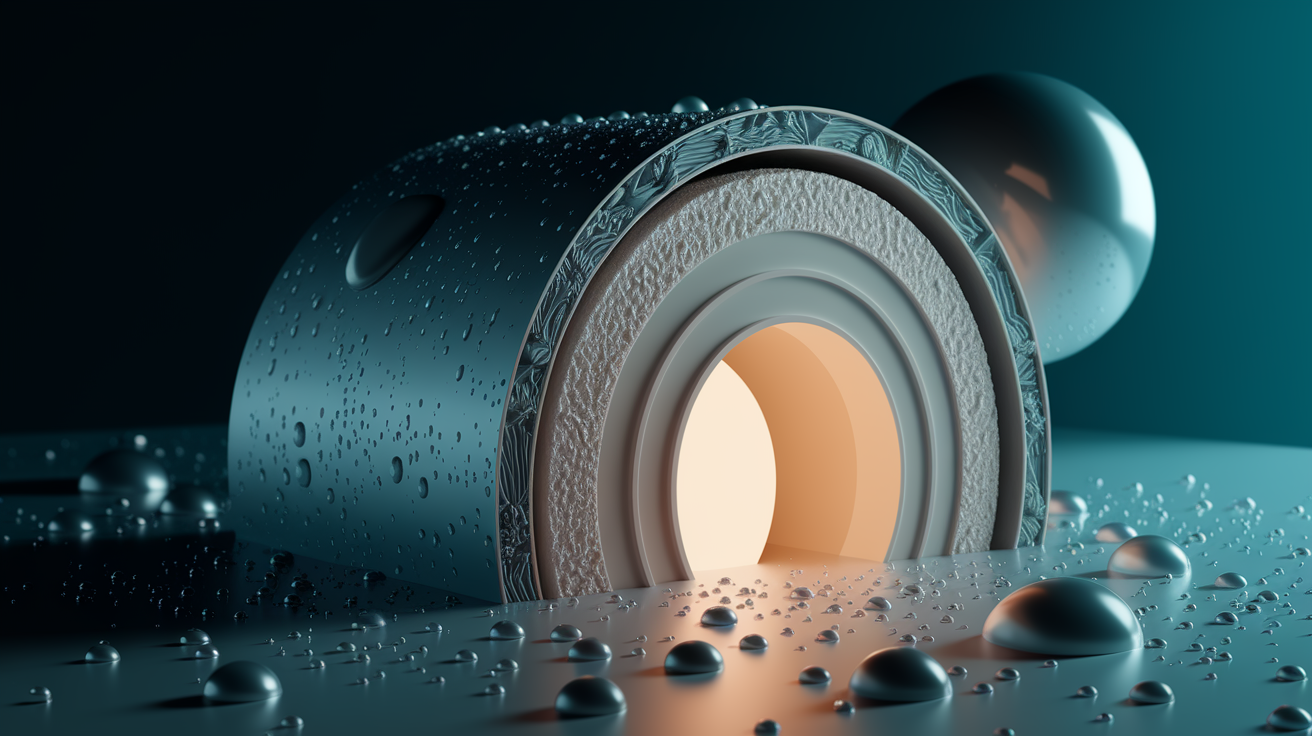
Mold-resistant drywall uses a gypsum core surrounded by facing materials mold can’t colonize. Standard drywall wraps that core in paper, which is organic material mold spores latch onto when moisture shows up. Mold-resistant versions swap paper for fiberglass mesh or treat it with wax and fungicides, cutting off the food source mold needs.
The gypsum core itself isn’t the weak point. Mold doesn’t eat gypsum. The facing material makes all the difference.
Mold-resistant drywall repels moisture instead of soaking it up. When water vapor contacts the surface, it beads up or evaporates rather than penetrating. Products like PURPLE XP with SPORGARD technology meet ASTM D3273 and ASTM G21 testing standards, which measure how well materials resist fungal growth under controlled conditions. Top-rated products absorb less than 5% of their weight in water during testing.
No drywall is completely waterproof or mold-proof. Submerge any product in standing water for days and it’ll fail. Modern mold-resistant products combine moisture repellency with mold resistance, but they still depend on proper installation, ventilation, and keeping bulk water away from walls.
Room-Specific Applications: Bathrooms, Basements, Kitchens, and Laundry Areas

Bathrooms, basements, kitchens, and laundry rooms create the most consistent moisture exposure in a home. These four spaces justify the cost premium because they face humidity, steam, and water contact every single day.
Bathrooms and Shower Surrounds
Bathrooms create the toughest moisture conditions. Showers and baths produce steam that saturates air and condenses on every surface. Sinks splash. Toilets sweat when air gets humid. That moisture has to go somewhere, and drywall’s the largest absorbent surface in the room.
Behind tile, mold-resistant drywall is critical. Water always finds its way through grout lines and tile edges, especially as grout ages and cracks. Use PURPLE XP or another high-performance product on all walls inside the shower or tub surround. Extend it at least 12 inches beyond the shower curb on all sides. Around sinks and toilets, install mold-resistant drywall from floor to ceiling in wet zones, meaning any wall within 3 feet of a fixture where splashing or spray happens.
Don’t forget ceiling areas above showers and tubs. Steam rises and condenses on cool surfaces overhead. Standard drywall on a bathroom ceiling will eventually develop mold colonies in corners where air circulation is weakest.
Basements and Below-Grade Spaces
Ground moisture seeps through concrete foundation walls through capillary action, where water wicks through tiny gaps and pores. Even well-built foundations with exterior waterproofing let some moisture vapor pass through. Basements combine that constant dampness with poor air circulation, darkness, and moderate temperatures. Perfect recipe for mold.
Finishing a basement as living space? Use mold-resistant drywall on all exterior walls that sit below grade. Interior partition walls in the basement can use standard drywall since they don’t contact ground moisture. Pay special attention to rim joists and band joists where foundation meets floor framing above, and any walls near sump pump pits or floor drains.
The challenge with basements is mold often grows hidden behind finished walls where you can’t see it until the problem’s severe. Moisture accumulates in the wall cavity between drywall and foundation, especially if someone installed drywall directly against concrete without furring strips or a vapor barrier. Mold-resistant drywall doesn’t fix poor assembly design, but it buys time and reduces severity if moisture does get trapped.
Unfinished basements used for storage also benefit from mold-resistant drywall. Mold growing on walls spreads spores that settle on stored belongings, cardboard boxes, anything else porous.
Kitchens and Laundry Rooms
Kitchens generate moisture from several sources. Sinks produce splashing and spray. Dishwashers vent steam during drying cycles. Stovetops boil water and create cooking steam. Refrigerators produce condensation on exterior surfaces when humid air contacts cold metal.
Install mold-resistant drywall behind and around sinks, especially if the sink sits on an exterior wall where temperature differences increase condensation risk. Use it behind dishwashers and on walls adjacent to ranges and cooktops. Moisture seeps into gaps between countertops and walls, behind cabinets, anywhere caulk lines fail over time.
Laundry rooms face similar challenges. Washing machines and dryers create warm, humid air, especially if the dryer vent is clogged or improperly routed. Even with proper ventilation, some moisture escapes into the room during every load. If your laundry area sits in a basement or interior closet without windows, the humidity has nowhere to go. Mold-resistant drywall throughout the space prevents problems as moisture levels fluctuate.
Around water heaters, HVAC units, and air handler closets, use mold-resistant drywall. These appliances produce condensation during normal operation, and any leaks or drips go unnoticed until damage appears.
Critical zones requiring mold-resistant drywall:
Shower and tub surrounds from floor to ceiling, including 12 inches beyond enclosure boundaries. Bathroom walls within 3 feet of sinks, toilets, and bidets where splashing occurs. Below-grade basement walls that contact earth or foundation concrete. Behind kitchen sinks and dishwashers, especially on exterior walls. Laundry room walls surrounding washers and dryers, including adjacent closet spaces. Walls around utility room equipment including water heaters, HVAC units, and condensate drain pans. Garage walls subject to vehicle moisture and temperature swings. Mudroom walls near exterior doors where rain and snow get tracked inside.
Installation Techniques and Best Practices

Installation follows the same steps as standard drywall with one critical change. Use fiberglass mesh tape on all seams and joints instead of paper tape to maintain mold resistance where panels meet.
Critical Material Choices for Joints and Seams
Paper tape creates an organic seam that defeats the purpose of mold-resistant panels. Switch to fiberglass mesh tape for all joints, corners, and butt seams. The mesh is non-organic and won’t support mold growth even if it gets wet.
Joint compound choice matters less since most modern compounds dry to an inert mineral surface, but avoid any compound advertising “organic additives” or “natural ingredients.” Standard all-purpose joint compound works fine. Seal seams carefully with multiple thin coats rather than one thick application. Any gaps or voids in the seam create pockets where moisture can penetrate.
If the product has GridMarX guide marks (pre-printed lines on the panel face), use them for accurate fastener placement. Consistent fastener spacing prevents paper tearing during installation and makes sure the panel sits tight against studs without gaps behind the board where moisture can condense.
Standard installation steps apply. Measure the opening, score the face with a utility knife, snap the panel along the score line, cut through the back paper, and secure the panel to studs with drywall screws every 12 inches on walls, every 8 inches on ceilings. Keep fasteners at least 3/8 inch from panel edges.
DIY installation is realistic if you’ve hung standard drywall before. The panels cut, snap, and fasten the same way. The difference is material selection at the taping stage. Never finished drywall seams? Hire that part out. Poor taping creates ridges and weak spots that crack and leak, especially in wet areas. Professional installers who work with mold-resistant products daily know how much compound to apply and how to feather seams smooth on moisture-resistant surfaces that behave slightly differently than paper-faced drywall.
Cost Analysis Compared to Standard Drywall

Mold-resistant drywall costs 30 to 50 percent more than standard drywall per sheet. A standard 1/2-inch 4×8 sheet runs $12 to $15. The mold-resistant version ranges from $18 to $25 depending on brand and features. For a 12×12 bathroom with 8-foot ceilings, you’ll spend an extra $60 to $100 in material costs.
Long-term savings offset that premium. Mold remediation starts around $500 for small areas and escalates to several thousand dollars when mold spreads behind walls and requires demolition, cleaning, and reconstruction. One avoided remediation pays for mold-resistant drywall in multiple rooms. The material also protects structural integrity since you won’t need to tear out and replace drywall that failed from moisture damage. Fewer callbacks mean lower labor costs on rental turnovers or renovation projects. Indoor air quality improvements reduce respiratory problems and allergy symptoms, which carries both health and financial value that’s harder to quantify but very real for occupants.
Warranty coverage varies by manufacturer and application. Most mold-resistant products carry standard defect warranties similar to regular drywall, but the warranty doesn’t typically cover improper installation, lack of ventilation, or failure to control moisture sources. The material durability advantage comes from actual mold resistance, not warranty differences.
| Cost Factor | Standard Drywall | Mold-Resistant Drywall |
|---|---|---|
| Material Cost per Sheet | $12 – $15 | $18 – $25 |
| Installation Labor | $1.50 – $3.00 per sq ft | $1.50 – $3.00 per sq ft (identical) |
| Long-term Maintenance | Higher risk of moisture damage requiring replacement | Lower maintenance, longer service life in damp areas |
| Mold Remediation Risk | $500 – $5,000+ per incident | Significantly reduced likelihood |
| Total 10-Year Cost | Initial cost + potential remediation + replacement | Higher initial cost, minimal remediation or replacement |
Building Codes and Code Compliance Requirements

Building codes require moisture-resistant materials in wet areas like bathrooms and shower enclosures, though specific language varies by jurisdiction. Most codes reference ASTM standards for testing and performance, which means your inspector will look for products that meet those benchmarks. Remodeling permits for bathroom work typically trigger this requirement. New construction codes almost universally require moisture-resistant drywall in bathrooms, and many jurisdictions extend that to laundry rooms and below-grade basement spaces.
ASTM D3273 and ASTM G21 are the testing standards for mold resistance. D3273 measures mold growth resistance, while G21 evaluates fungal resistance under specific temperature and humidity conditions. Products that score the highest ratings show no mold growth after 28 days of exposure to mold-friendly conditions in lab testing.
Regional requirements differ based on climate. Coastal areas with high humidity year-round often mandate mold-resistant drywall more broadly than dry climates. Some jurisdictions require it on all walls in any room with plumbing fixtures, not just wet walls. Others leave it to builder discretion outside of defined wet areas. Check with your local building department before starting work, especially on permitted projects. Inspectors can red-tag work that doesn’t meet local amendments to base code requirements, even if the product meets national standards. Ask specifically about taping materials too, since some inspectors expect fiberglass mesh tape in wet areas even if code language doesn’t explicitly state it.
Brand Comparisons and Product Specifications

National Gypsum manufactures PURPLE XP Drywall with SPORGARD technology, which uses proprietary mold-inhibiting chemistry throughout the core and facing. Georgia-Pacific produces DensArmor, which features a fiberglass mat facing over a moisture-resistant gypsum core. Both brands target the same applications but use different approaches to achieve mold resistance.
Specification differences show up in water absorption rates and long-term durability claims. PURPLE XP absorbs less than 5% of its weight in water during standardized testing and achieves the highest ASTM ratings for mold resistance. DensArmor uses a paperless design with fiberglass mat facings on both sides, creating a fully non-organic surface. Generic paperless drywall products from regional manufacturers offer similar fiberglass-faced construction at lower price points but may not include proprietary mold-inhibiting additives in the core.
Thickness options include 1/2-inch and 5/8-inch panels in 4-foot widths, with lengths ranging from 8 to 12 feet depending on availability. The 5/8-inch thickness adds fire resistance, which some codes require for garage walls and ceiling assemblies.
| Brand | Technology | Water Absorption | ASTM Rating | Key Features |
|---|---|---|---|---|
| PURPLE XP (National Gypsum) | SPORGARD mold-inhibiting chemistry | Less than 5% | Highest (D3273, G21) | GridMarX guide marks, treated core and facing |
| DensArmor (Georgia-Pacific) | Fiberglass mat facing both sides | Low (specific rate varies) | High (meets standards) | Fully paperless, impact-resistant facing |
| Generic Paperless | Fiberglass mesh facing | Moderate | Varies by manufacturer | Non-organic surface, budget-friendly option |
Product availability runs through drywall suppliers and big-box home centers, though selection varies. PURPLE XP typically requires ordering through professional drywall distributors unless you’re in a high-humidity region where home centers stock it regularly. DensArmor has wider retail distribution. Supply chain disruptions affect specialty products harder than standard drywall, so order ahead on large projects and confirm delivery dates before scheduling installation crews.
Health Benefits and Indoor Air Quality Impact

Mold exposure triggers respiratory problems, especially for people with asthma or chronic bronchitis. Allergic reactions to mold spores include sneezing, congestion, eye irritation, and skin rashes.
Mold-resistant drywall reduces airborne spore counts by preventing surface colonization where mold spreads from. When mold can’t grow on wall surfaces, fewer spores circulate through HVAC systems and settle on furniture, bedding, and other surfaces where people contact them. The effect compounds over time since mold colonies reproduce exponentially once established. Stopping growth early prevents escalation from minor surface mold to hidden wall cavity infestations that contaminate entire homes.
Children, elderly occupants, and anyone with compromised immune systems face higher risks from mold exposure. If your household includes vulnerable individuals, prioritize mold-resistant materials in moisture-prone areas even if codes don’t require it.
Mold-resistant drywall doesn’t eliminate the need for proper ventilation. Bathroom exhaust fans, kitchen range hoods, and dehumidifiers still need to run. The drywall buys time and prevents colonization during normal use, but no material stops mold if you trap moisture in a space with no air movement and never address the humidity source. Run exhaust fans during and after showers, fix leaks promptly, and keep indoor humidity below 60 percent to get the full benefit of mold-resistant materials.
Maintenance Requirements and Damage Assessment
Clean mold-resistant drywall with mild detergent and water. Avoid abrasive cleaners that can scratch the facing material and reduce moisture resistance. Don’t use bleach-based products on fiberglass-faced drywall since bleach can degrade the mat fibers over time. For purple board and wax-coated products, standard bathroom cleaners work fine.
Inspect walls quarterly in high-moisture areas. Look for discoloration, soft spots, or peeling paint that indicate water intrusion. Press on the wall surface near fixtures and in corners where moisture accumulates. Solid, firm drywall indicates good condition. Soft or spongy areas mean moisture has penetrated the panel and replacement is necessary. Check behind toilets, under sinks, and around shower valves where plumbing connections can develop slow leaks that go unnoticed.
Mold-resistant drywall still fails when overwhelmed by chronic moisture. If water soaks through the panel repeatedly, or if a leak saturates the wall cavity behind the drywall, the material reaches its limit. At that point, you need to fix the moisture source, dry out the wall cavity, and replace damaged panels even if they’re mold-resistant. The product buys time and handles normal moisture exposure, but it doesn’t override basic moisture management.
Warning signs indicating moisture damage or potential mold growth:
Discoloration or dark staining on wall surfaces, especially in corners or near fixtures. Soft, spongy, or crumbling texture when you press on the wall. Peeling paint or bubbling finish that indicates moisture beneath the surface. Musty odors concentrated near walls or coming from HVAC vents. Visible condensation or water droplets forming on wall surfaces regularly.
New Construction vs. Renovation Project Considerations
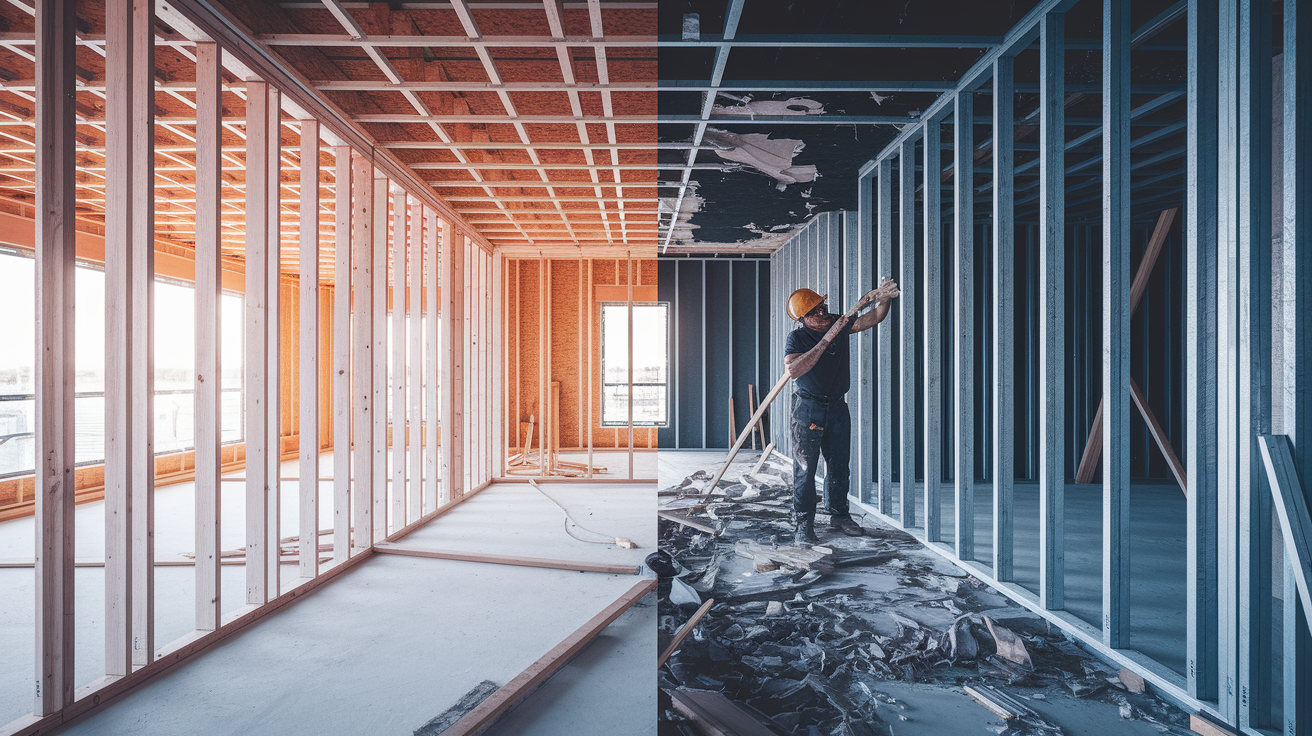
New construction projects allow strategic material selection during the planning phase. Renovation work requires diagnosing existing moisture problems and working around occupied spaces.
New Construction Planning
Plan which rooms and wall sections get mold-resistant drywall before framing starts. All bathrooms, laundry rooms, and below-grade basement walls justify the upgrade. Exterior walls in humid climates benefit too, especially if the building lacks continuous exterior insulation that prevents condensation inside wall cavities.
Cost-effective allocation means using premium products like PURPLE XP only where moisture exposure is highest. Shower surrounds, tub walls, and laundry room walls behind appliances. Step down to paperless drywall with fiberglass mesh facing for basement perimeter walls and remaining bathroom surfaces. Standard drywall works fine for interior partition walls and dry living spaces.
Coordinate with HVAC contractors to make sure you’ve got adequate ventilation in moisture-prone rooms. The best drywall won’t compensate for undersized exhaust fans or improperly ducted bathroom vents that dump moisture into attics instead of outside.
Renovation and Retrofit Applications
Replacing existing drywall means opening walls to assess moisture damage before installing new materials. Don’t assume the old drywall failed just from age. Look for the moisture source. Roof leaks, plumbing leaks, missing flashing, or condensation from poor insulation. Fix those issues first or the new drywall fails too.
Hidden moisture damage shows up during demolition. Stains on studs, rust on fasteners, and mold growth on framing indicate long-term moisture exposure. If studs are dry and solid when you remove the drywall, the problem was contained to the wall finish. Soft or rotted framing means structural repairs before you can install new drywall.
Budget-limited renovations require prioritizing rooms. Start with bathrooms that show visible mold or moisture damage. Next, address basements used as living spaces. Laundry rooms and kitchens rank third unless water damage is already visible.
Commercial applications like apartment buildings, hotels, and multi-family housing justify mold-resistant drywall throughout all bathrooms and utility areas. The scale and turnover rate increases moisture exposure and callback risks. Product selection tends toward mid-range paperless drywall rather than premium brands since cost control matters more at commercial scale, and minimum code compliance is the target rather than optimal performance.
Final Words
Choosing the right mold and mildew resistant drywall comes down to matching the product to your moisture exposure level.
Purple board with SPORGARD technology offers the best protection for high-moisture areas like bathrooms and basements. Green board works for light-duty applications, but skip it anywhere water can hit the back side. Paperless drywall splits the difference when budget matters but you still want solid moisture resistance.
Install it right with fiberglass mesh tape, maintain proper ventilation, and you’ll avoid the headache of tearing out moldy walls later.
Your walls will breathe easier, and so will you.
FAQ
Does mold-resistant drywall really work?
Mold-resistant drywall really works by using non-organic facing materials like fiberglass mesh or wax-coated paper that prevent mold spores from attaching and spreading. Products like PURPLE XP with SPORGARD technology achieve less than 5% water absorption and the highest ASTM test scores, meaning they repel moisture far better than standard drywall. However, no drywall is completely mold-proof, so proper ventilation and moisture control remain essential for long-term protection.
What type of drywall is mold-resistant?
Mold-resistant drywall types include purple board (PURPLE XP with SPORGARD technology), paperless drywall with fiberglass mat facing, and green board with wax-coated paper. Purple board offers the highest mold resistance with less than 5% water absorption and top ASTM ratings, making it ideal for high-moisture areas like bathrooms and basements. Paperless drywall provides mid-level protection, while green board offers basic water resistance but remains vulnerable to back-side moisture penetration.
How much does mold-resistant drywall cost?
Mold-resistant drywall costs roughly 30 to 50 percent more than standard drywall sheets, with the premium reflecting specialized facing materials and enhanced moisture protection. While initial material costs run higher, long-term savings come from avoiding mold remediation expenses, protecting structural integrity, and reducing health-related costs from mold exposure. The investment typically pays for itself by preventing one serious mold problem over a 10-year period.
Can mold-resistant sheetrock get wet?
Mold-resistant sheetrock can get wet and will repel moisture better than standard drywall, but it’s not waterproof or designed for constant water contact. Products like PURPLE XP absorb less than 5% water, meaning they dry faster and resist mold growth better after exposure. However, standing water, constant saturation, or flood conditions will still damage the material and require replacement, making proper drainage and ventilation critical even with resistant products.
Where should you use mold-resistant drywall in a house?
You should use mold-resistant drywall in bathrooms, basements, kitchens, and laundry rooms where humidity and moisture exposure create prime mold conditions. Bathrooms need it around showers, tubs, and sinks due to constant steam and water splashing. Basements benefit because ground moisture seeps through foundation walls, while kitchens and laundry rooms generate humidity from appliances like dishwashers, washing machines, and dryers.
Is mold-resistant drywall required by building code?
Mold-resistant drywall is required by building code in certain high-moisture locations depending on regional requirements and project type. Products meeting ASTM D3273 and G21 standards typically satisfy code requirements for moisture-prone areas in new construction and major renovations. Inspector approval processes and specific requirements vary by jurisdiction, so check local building codes before starting your project to confirm compliance obligations.
Can you install mold-resistant drywall yourself?
You can install mold-resistant drywall yourself using standard techniques like measuring, scoring, snapping, cutting, and securing with screws. The critical difference is using fiberglass mesh tape instead of paper tape for joints to maintain mold resistance throughout seams. GridMarX guide marks on some products help with accurate fastener placement, making DIY installation more feasible for competent homeowners.
How do you maintain mold-resistant drywall?
You maintain mold-resistant drywall through routine cleaning with mild detergent solutions that won’t damage the moisture-resistant facing. Inspect regularly for signs of moisture intrusion like discoloration, soft spots, or musty odors that indicate water is penetrating from behind. Even though the material repels moisture better than standard drywall, proper ventilation remains essential to remove humidity and prevent condensation buildup.
What’s the difference between green board and purple board?
The difference between green board and purple board is their level of moisture and mold resistance. Green board has wax coating only on the front paper surface, making it vulnerable to moisture penetrating from behind, while purple board uses SPORGARD technology with less than 5% water absorption and superior mold resistance throughout. Purple board achieves the highest ASTM test scores and works in wet locations like shower surrounds, whereas green board is only adequate for moderate humidity areas.
Does mold-resistant drywall help with indoor air quality?
Mold-resistant drywall helps with indoor air quality by reducing airborne mold spores that cause respiratory problems and allergic reactions. It prevents hidden mold growth behind walls where moisture accumulates unnoticed, creating safer living environments especially for households with children, elderly, or individuals with respiratory conditions. However, proper ventilation remains essential even with resistant materials installed, as the drywall alone can’t eliminate all moisture or guarantee perfect air quality.