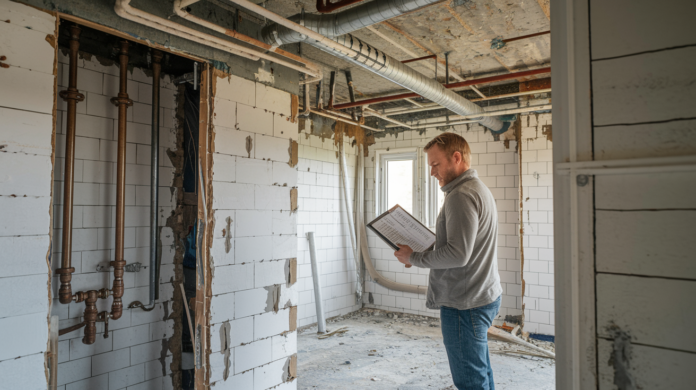

You’re planning a bathroom update and wondering if you can skip the permit process to save time and money. The short answer is it depends on what you’re doing, but the risks of unpermitted work go way beyond fines. Insurance companies deny claims. Home sales fall apart during inspection. Building departments can force you to tear out finished work and start over with approval. Most cosmetic updates don’t need permits, but anything touching plumbing, electrical, or walls almost always does, and the consequences of guessing wrong follow you for years.
Legal Status of Bathroom Remodeling Without Permits

Yes, you can remodel a bathroom without a permit, but only when the work is purely cosmetic. The answer depends entirely on what you’re planning to do. Surface updates like painting, replacing hardware, or swapping a vanity without moving plumbing lines typically don’t require permits. Work that involves moving fixtures, adding electrical outlets, or changing the layout almost always does. Unpermitted work carries serious legal and financial risks. Fines accumulate daily during construction. Insurance companies deny claims if something goes wrong. Complications can kill a home sale years later.
Building codes draw a clear line between cosmetic upgrades and work that affects safety systems. Cosmetic changes don’t alter how the bathroom functions. They don’t impact structural integrity, plumbing drainage, electrical circuits, or ventilation.
Permit-free bathroom work includes painting walls and ceilings, installing wallpaper, refinishing floors without changing the subfloor, replacing towel bars and toilet paper holders, re-caulking around tubs and showers, installing shelves or mirrors without cutting into walls, direct toilet replacement in the same location without disturbing shutoff valves or traps, swapping vanities without relocating plumbing connections, changing light fixtures without opening walls or adding new wiring, replacing countertops on existing vanities, and swapping faucets or showerheads that connect to existing supply lines in the same spots. These projects keep all the systems exactly where they are.
Permit requirements get triggered when you start making functional changes to building systems. Moving any plumbing lines, adding or relocating electrical outlets or circuits, changing the bathroom layout or footprint, removing or moving walls (especially load bearing ones), installing new drainage systems or shower pans, adding windows or skylights, relocating fixtures even a few feet from their original positions. Even simple fixture replacements that require disturbing existing plumbing connections, shutoff valves, or traps will require permits in most jurisdictions. The work doesn’t have to be extensive. If you’re touching the systems behind the walls, you probably need approval.
What’s permit-free in one city might require multiple permits in the next county over. Requirements vary significantly by city, county, and state. Some areas follow International Residential Code fairly closely, while others maintain completely unique regulations based on regional challenges like hurricanes, earthquakes, or flood risks. Always verify the specific rules for your exact location before starting any project, even cosmetic ones that seem obviously exempt. What your neighbor did without permits might not reflect what’s actually legal.
Legal Consequences of Unpermitted Bathroom Work

Completing bathroom renovations without required permits opens homeowners to a range of legal penalties that escalate the longer work continues and the more severe the violations become.
Monetary fines vary widely by jurisdiction but can be substantial. Many areas charge daily fines that accumulate while unpermitted construction is in progress. Some jurisdictions assess fines based on project scope and value. If you’re caught and required to obtain retroactive permits, fees often double as a penalty for permit avoidance. These financial penalties hit hard, especially when they compound over weeks or months.
City inspection departments have authority to issue stop work orders that immediately halt all construction activity on your property.
When violations are severe or homeowners refuse to cooperate, enforcement can escalate to required demolition of completed unpermitted work. This means tearing out finished bathrooms and starting over, this time with proper permits and inspections. Building departments have legal authority to force removal of work that doesn’t meet code, even if you’ve already paid for materials and labor.
Both homeowners and contractors can be fined for the same permit violations. Homeowners remain ultimately responsible for permit compliance regardless of what contractors claim about permits being unnecessary or optional. If your contractor says permits aren’t needed, you’re still liable when the building department discovers the work. In states like Florida, unlicensed electrical or plumbing work can rise to felony charges, not just civil fines.
When Building Permits Are Required for Bathroom Renovations

Projects involving plumbing, electrical, structural, or mechanical changes almost always require building permits to proceed legally.
Plumbing System Modifications
Plumbing work that requires permits includes relocating toilets, sinks, or showers from their original positions, installing new drain lines or branch connections to the main stack, adding water supply lines or changing their routing, installing bidets which need both drain and supply connections, changing drainage systems including shower pan installations, moving plumbing stacks or vent pipes, and any work that disturbs existing shutoff valves or fixture traps. Changing toilet, bathtub, or shower locations is particularly complex because these fixtures require drain slope, proper venting to prevent sewer gas backup, and connection to the building’s main plumbing stack.
Electrical Work and Wiring Changes
Electrical modifications requiring permits include adding outlets or upgrading to GFCI protection near water sources, installing exhaust fans that require new wiring circuits, creating new lighting circuits or relocating switches, upgrading electrical panels to handle increased bathroom loads, and hardwiring appliances like heated towel racks or high-powered ventilation systems. Even minor electrical work in bathrooms requires permits in most jurisdictions because moisture creates shock and fire risks.
Structural and Layout Changes
Structural work requiring permits includes removing or moving any walls. Load bearing walls require engineering calculations and inspection. Adding windows or skylights compromises wall or roof structural integrity. Expanding the bathroom footprint into adjacent spaces. Cutting into floor joists to relocate drains or add access. Any modifications that affect how loads transfer through the building structure. You can’t assume a wall is non-structural without verification.
Mechanical System Updates
Mechanical changes that trigger permit requirements include relocating HVAC vents or adding new supply and return ducts, installing heated floors which require both electrical and sometimes plumbing permits, moving water heaters closer to or farther from bathroom fixtures, and adding or upgrading ventilation systems beyond simple fan replacement in the same location. High-end features like steam showers require electrical and mechanical permits due to the equipment complexity and moisture load.
| Type of Work | Permit Required | Typical Examples |
|---|---|---|
| Plumbing Changes | Yes | Relocating toilets, adding drains, installing bidets, moving supply lines |
| Electrical Modifications | Yes | Adding outlets, new circuits, hardwired fans, panel upgrades |
| Structural Alterations | Yes | Moving walls, adding windows, expanding footprint, cutting joists |
| Mechanical Systems | Yes | HVAC relocation, heated floors, water heater moves, ventilation upgrades |
How Unpermitted Bathroom Remodels Affect Home Insurance

Insurance companies can deny claims for damage caused by or related to unpermitted renovation work. You’re left covering the full cost of repairs, injuries, or property damage out of pocket. When you file a claim, the insurance company investigates the cause of the damage. If they discover the damage originated from or was made worse by unpermitted work, they can reject the entire claim based on policy terms that require code-compliant construction.
Electrical fires from faulty wiring, water damage from improper plumbing installations, and injuries occurring in areas with unpermitted work are common claim denials.
In flood-prone areas, coastal regions, and storm-vulnerable zones, unpermitted bathroom work can void your entire homeowner insurance policy, not just deny individual claims. Insurance companies in these high-risk areas enforce strict compliance requirements because unpermitted work often fails to meet wind resistance, waterproofing, or structural standards designed for regional hazards. If you live in a designated flood zone or hurricane-prone area and complete bathroom renovations without permits, your insurer may cancel coverage entirely when they discover the violation during a routine policy review or after a claim.
Unpermitted work also disqualifies homeowners from FEMA reimbursement after natural disasters. If a hurricane, flood, or other covered event damages your home and FEMA discovers unpermitted renovations during their assessment, they can deny reimbursement for repairs to those areas and potentially reduce or eliminate assistance for the entire property. You bear full financial responsibility for any damage or liability when insurance coverage is denied due to permit violations. That bathroom remodel that saved $500 by skipping permits can cost tens of thousands when a pipe bursts or a fire starts. Insurance companies often discover unpermitted work during claim investigations by reviewing building department records, comparing property tax assessments to current conditions, or having adjusters identify work that doesn’t match original construction documents. For more information on preventing water damage issues, see mold prevention.
Impact on Home Resale Value and Real Estate Transactions

Sellers are legally required to disclose remodeling projects to potential buyers during real estate transactions, including whether work was completed with proper permits. Failing to disclose unpermitted renovations is fraud and can result in lawsuits after closing when buyers discover the violations. Certificate of occupancy requirements in many jurisdictions mean you can’t complete a legal home sale without demonstrating all renovations were properly permitted and inspected.
Unpermitted bathroom renovations create red flags that often derail transactions completely. Buyers get nervous about hidden code violations, future liability, and potential costs to correct the work. Lenders frequently refuse to finance homes with known unpermitted renovations, killing deals even when buyers are willing to proceed. The property becomes harder to sell and often requires price reductions to offset buyer concerns.
Specific resale complications include excluded square footage in appraisals when unpermitted additions or expansions aren’t counted toward home value, certificate of occupancy issues that block sales until permits are obtained retroactively and final inspections completed, refinancing disqualification when banks discover unpermitted work during property assessments, buyer financing denial when mortgage companies won’t approve loans for properties with code violations, and forced demolition or rework requirements before closing can proceed, with sellers bearing the cost.
Resolving unpermitted work during sale negotiations is costly and stressful. You’ll likely need to obtain retroactive permits at doubled fees, pay for inspections, and potentially open finished walls to verify code compliance. This process delays closings, creates uncertainty about whether deals will survive, and often requires renegotiating sale prices to compensate buyers for the hassle and risk. Some jurisdictions require complete removal and reconstruction if retroactive permits aren’t available.
How Building Departments Discover Unpermitted Bathroom Renovations

Local authorities identify unpermitted bathroom renovation work through multiple detection methods, both passive and active.
Discovery methods include neighbor complaints about construction noise, dust, or dumpsters sitting on the street. Routine neighborhood inspections by building code enforcement officers making rounds. Visible construction materials, equipment, or dumpsters that signal active renovation work. Annual property tax assessments that identify improvements and trigger inquiries about permits. Home sale inspections when buyer’s inspectors note recent work and check permit records. Refinancing appraisals that document improvements not matching building department records. Lack of visible posted permits during construction, which regulations require in most jurisdictions.
Once inspectors identify potential unpermitted work in a bathroom, they have authority to inspect beyond that space if violations are suspected elsewhere in the home. A bathroom remodel that triggers an inspection can lead to citations for unpermitted work in your kitchen, basement, or garage if code violations are visible. Inspectors don’t limit their review to the original complaint or observation that brought them to your property.
Construction visibility almost guarantees neighbor awareness. Dumpsters, contractor vehicles parked on the street, multiple material deliveries, and construction noise all signal active work. Neighbors who feel bothered by the disruption, concerned about property values, or simply curious about what you’re doing often contact building departments to ask whether proper permits were obtained. Even after construction finishes, changes to your home’s exterior appearance, new windows, or enlarged bathroom footprints visible from outside can trigger inquiries during routine code enforcement patrols.
Jurisdiction Differences in Bathroom Permit Requirements

Bathroom permit requirements differ dramatically between cities, counties, and states. There’s no universal standard governing when permits are required or what work qualifies as exempt. What’s legal in one jurisdiction can result in fines and stop work orders in the next county over.
Some jurisdictions adopt International Residential Code fairly closely as their baseline standard, while others maintain completely unique regulations developed to address local concerns.
Regional variations create significant compliance challenges for homeowners who relocate or own properties in multiple areas. Florida enforces stricter building codes than most states due to hurricane preparation requirements, high humidity considerations, and flooding risks. Coastal areas face increased scrutiny for waterproofing systems, ventilation standards to prevent mold in humid climates, and mechanical systems that can withstand salt air and storm conditions. Retiling might not require permits in dry climates but often does in humid areas where waterproofing beneath tile is tightly regulated to prevent moisture intrusion and structural damage.
Requirements can change between adjacent cities or even neighborhoods within the same county. City boundaries, municipal jurisdictions, and special districts all maintain separate building departments with different thresholds for permit requirements. Drive ten minutes and the rules governing your bathroom remodel might be completely different.
Threshold differences mean some areas require permits for any plumbing work while others exempt direct fixture replacements as cosmetic upgrades. One jurisdiction might allow homeowners to replace toilets and sinks without permits as long as plumbing lines don’t move, while the next town over requires permits for any plumbing disconnection regardless of whether fixtures stay in the same location. Contact the specific local building department with jurisdiction over your property before starting any bathroom renovation project. Don’t assume. Don’t rely on what neighbors did. Don’t trust general online advice about permit requirements. Call your building department directly, describe your planned work, and get confirmation in writing about whether permits are required.
Understanding Permit Costs and Application Timelines

Permit costs for bathroom renovations vary significantly by jurisdiction, project complexity, and scope of work. Simple projects involving single trade work might cost $200 to $500 for permits, while comprehensive renovations involving plumbing, electrical, and structural changes can run $1,000 to $3,000 or more. Florida permit fees range from $457 to over $2,800 depending on location and project scope, with coastal jurisdictions typically charging more due to stricter code enforcement and more detailed plan review requirements.
Application timeline expectations should account for plan review periods, approval wait times, and seasonal or regional delays that can extend the process significantly. Most jurisdictions take two to six weeks to review and approve straightforward bathroom remodel applications, but complex projects can take two to six months, potentially longer for homes in historic districts where additional architectural review is required. Permit offices face backlogs especially after hurricanes, major storms, or during busy spring and summer construction seasons when application volume overwhelms staff capacity.
Submission requirements vary dramatically by location. Some building departments accept simple homeowner sketches showing fixture locations, dimensions, and proposed changes, while others demand professionally sealed architectural drawings prepared by licensed architects or engineers. Requirements typically scale with project complexity. A toilet relocation might need just a basic plumbing diagram, while a complete bathroom addition requires full architectural plans, structural calculations, electrical schematics, and plumbing layouts sealed by licensed professionals.
| Jurisdiction Factor | Typical Range | Notes |
|---|---|---|
| Permit Fees | $200 to $3,000+ | Based on project scope, jurisdiction, and number of trades involved; coastal and high-risk areas typically charge more |
| Approval Timeline | 2 weeks to 6 months | Simple projects approve faster; backlogs after storms and during peak construction season extend timelines; historic buildings take longer |
| Plan Requirements | Homeowner sketch to sealed blueprints | Requirements scale with project complexity; some jurisdictions accept simple diagrams while others require professionally prepared plans |
Working With Contractors on Bathroom Permit Compliance

Reputable licensed contractors typically handle permit applications as part of their services. They prepare required documentation, submit applications to the building department, and coordinate inspection scheduling throughout the project.
In many jurisdictions, a Registered Design Professional such as an architect or professional engineer must file permit applications as the Applicant of Record with the Department of Buildings, particularly for projects involving structural changes or significant plumbing and electrical modifications.
Quality contractors refuse to participate in unpermitted work to protect their licenses and professional reputations. When a contractor suggests skipping permits to save time or money, that’s a red flag. It indicates they’re either unlicensed or willing to risk your property and safety for convenience.
You remain ultimately responsible for permit compliance even if contractors claim permits aren’t necessary or promise to “handle everything” without documentation. If your contractor says the work doesn’t require permits, verify that claim directly with your local building department before proceeding. Contractors face license suspension or revocation for unpermitted work, but you face fines, insurance complications, and resale problems that last years. The contractor moves on to the next job. You’re stuck with the consequences.
Verify contractor licensing and permit handling practices before hiring by checking license status with your state contractor licensing board, asking for proof of past permit applications on similar projects, and getting written confirmation of who will obtain permits and schedule inspections. Licensed contractors coordinate specialized subcontractors including plumbers and electricians who pull their own trade specific permits for work in their areas of expertise. This coordination ensures each trade’s work gets properly inspected at the required stages. For guidance on selecting qualified professionals, see general contractor.
Retroactive Permits and Fixing Unpermitted Bathroom Work

Retroactive permits offer a way to legitimize unpermitted bathroom work after construction is complete, but the process comes with significant complications and costs.
Obtaining retroactive permits is more complicated and expensive than getting permits before construction. You’re asking the building department to approve work they can’t see because it’s already covered by drywall, tile, and fixtures.
The retroactive permit process involves contacting the building department and disclosing the unpermitted work, triggering an official violation record. Paying permit fees which are often doubled as a penalty for permit avoidance. Potentially hiring an architect or engineer to prepare as-built drawings documenting the completed work. Opening finished walls, ceilings, or floors to provide inspection access to hidden plumbing, electrical, or structural work. Undergoing multiple inspection stages at rough in, framing, and final completion phases. Correcting any code violations discovered during inspection, which can require substantial rework.
Retroactive permits require exposing completed work for inspection, which often means demolishing finished tile, drywall, and other surfaces to reveal rough plumbing, electrical wiring, and framing that inspectors need to verify meets code. That beautiful bathroom you just completed might need significant portions torn out for inspection access.
Inspectors may expand their review beyond the bathroom if violations suggest broader non-compliance issues throughout your home. Starting with one bathroom renovation, inspections can trigger citations for unpermitted work in other areas if inspectors observe code violations while accessing the bathroom or spot other concerning modifications. Not all jurisdictions allow retroactive permits for all types of work. Some building departments require complete removal and reconstruction of unpermitted work rather than permitting it retroactively, particularly for electrical or structural modifications where hidden defects create serious safety risks.
Safety and Code Compliance Reasons for Bathroom Permits
Building permits exist as safety mechanisms designed to protect homeowners and future occupants. They’re not bureaucratic obstacles meant to slow down renovation projects.
Safety protections that permits ensure include proper electrical grounding and GFCI protection near water sources to prevent shock hazards, adequate ventilation to prevent mold growth and moisture damage that compromises structure and health, correct drain slope and venting to prevent sewer gas backup and ensure proper drainage, waterproofing systems that prevent water intrusion into wall cavities and subfloors, load bearing wall identification before removal to prevent structural collapse, proper structural support for heavy fixtures like cast iron tubs and stone vanities, code-compliant materials in wet environments that resist moisture damage and mold growth, and professional third party verification of work quality by trained building inspectors.
Building codes incorporate lessons learned from construction failures, fires, water damage incidents, and structural collapses that injured occupants or destroyed property. When requirements seem excessive, they usually reflect actual disasters that happened to real people in similar projects.
Permits provide professional third party verification that work meets minimum safety standards established to protect occupants. Inspectors check that electrical circuits have proper overcurrent protection, plumbing drains have adequate venting, and structural modifications don’t compromise building integrity. This verification catches dangerous mistakes before they cause injuries or property damage. Regional code variations reflect local environmental challenges. Hurricane-prone areas require impact resistant windows and reinforced connections. High-humidity climates mandate continuous ventilation to control moisture. Flood zones require elevated fixtures and water resistant materials. Seismic regions need flexible connections that survive earthquake movement. For detailed information about moisture control requirements, see ventilation standards.
Making the Permit Decision for Your Bathroom Project
Start your bathroom renovation planning with a clear scope definition by listing every planned change, then identifying which specific items involve plumbing modifications, electrical changes, structural alterations, or mechanical system updates. Write it all down. Be specific about whether you’re replacing fixtures in the same location or moving them, whether you’re adding outlets or just changing light fixtures, whether you’re removing walls or just repainting them.
Contact the local building department with jurisdiction over your property before making assumptions about permit exemptions.
Special considerations complicate straightforward permit determination in some situations. Homeowner associations, condo boards, and co-op buildings often require separate alteration agreements and plan approvals in addition to municipal building permits. Historic buildings face additional review requirements from preservation boards before building departments will approve permits. Some jurisdictions set project value thresholds that automatically trigger permit requirements regardless of work type. A $5,000 bathroom refresh might be exempt, while a $15,000 renovation requires permits even if the work is technically identical.
Permit costs typically range from a few hundred to a few thousand dollars, and approval timelines add two to six weeks to project schedules in most cases. These expenses and delays are minimal compared to risks of unpermitted work. Fines can exceed $10,000 depending on jurisdiction and violation severity. Insurance claim denials leave you paying out of pocket for damage that could have been covered. Resale complications can delay closing for months or kill deals entirely, costing far more than original permit fees in lost sale proceeds or forced price reductions. Safety hazards from unpermitted work that doesn’t meet code can injure family members or cause property damage.
Consult licensed professionals even for projects you believe are permit-exempt to verify assumptions before starting work. A thirty minute consultation with a licensed plumber or electrician can confirm whether your planned fixture replacement truly qualifies as cosmetic or whether it crosses into permit-required territory. Document all permit decisions and determinations in writing for future reference during home sales, refinancing applications, or insurance claims. If you called the building department and they confirmed your project is exempt, get that confirmation in an email you can save. If your contractor obtained permits, keep copies of approved applications and signed off inspection reports with your home maintenance records.
Final Words
So can you remodel bathroom without permit? Sure, if you’re just painting walls, swapping hardware, or changing a vanity without touching plumbing.
But the moment you move a drain line, add an outlet, or cut into a wall, you’re in permit territory.
The risks of skipping that step—fines, insurance denials, resale nightmares, and real safety hazards—outweigh the hassle of a permit application every time.
Call your local building department before you start. Get it in writing. Do it right once, and you won’t be fixing it twice when it’s time to sell.
FAQ
What happens if you have an unpermitted bathroom?
An unpermitted bathroom can result in financial fines, stop work orders from the city, denied insurance claims for water or electrical damage, and serious complications during home sales including title issues, forced demolition, or required retroactive permits at doubled costs.
Can I renovate my bathroom on my own?
You can renovate your bathroom on your own for cosmetic work like painting, re-caulking, or replacing fixtures in the same location without touching plumbing connections, but any DIY work involving plumbing relocation, electrical changes, or structural modifications legally requires permits regardless of who does the work.
Do I need permission to install a new bathroom?
You need permission through building permits to install a new bathroom because the project involves plumbing systems, electrical circuits, drainage lines, ventilation requirements, and often structural changes, all of which require professional inspection to verify code compliance and safety standards.
Why do contractors not want to pull permits?
Contractors avoid pulling permits to save time on approval wait periods, dodge inspection requirements that expose substandard work, skip permit fees they’d pass to customers, or hide the fact they lack proper licensing to legally perform plumbing or electrical work in bathrooms.
What work can you do in a bathroom without a permit?
You can complete cosmetic bathroom upgrades without a permit including painting, installing wallpaper, refinishing floors, replacing hardware like towel bars, re-caulking joints, mounting shelves without cutting walls, swapping vanities without moving plumbing, and direct toilet or sink replacements that don’t disturb existing shutoff valves.
How much does a retroactive bathroom permit cost?
A retroactive bathroom permit typically costs double the standard permit fee as a penalty, ranging from approximately $900 to over $5,600 depending on jurisdiction and project scope, plus potential fines, required professional drawings, and demolition costs to expose completed work for inspection.
Can building inspectors enter my home without permission?
Building inspectors can enter your home with permission during scheduled inspections or with an administrative warrant if they observe visible evidence of unpermitted construction work like posted contractor signs, dumpsters, or material deliveries, and you refuse voluntary inspection access.
Will homeowners insurance cover unpermitted bathroom work?
Homeowners insurance will not cover damage resulting from unpermitted bathroom work including electrical fires from faulty wiring, water damage from improper plumbing installations, or injuries occurring in areas where unpermitted renovations created code violations or safety hazards.
How long does bathroom permit approval take?
Bathroom permit approval typically takes two to six months depending on jurisdiction workload, project complexity, and seasonal construction volume, with longer delays for historic properties, coastal areas with strict waterproofing requirements, or periods following natural disasters when permit offices face backlogs.
What bathroom changes always require a permit?
Bathroom changes that always require a permit include relocating toilets or showers, adding or moving drain lines, installing new electrical outlets or circuits, removing or relocating walls, adding ventilation fans with new wiring, and any work that changes the bathroom’s footprint or layout.
Can unpermitted work prevent me from selling my house?
Unpermitted work can prevent home sales by blocking certificate of occupancy issuance, triggering buyer financing denials, forcing disclosure that kills buyer interest, requiring complete demolition before closing, or creating title issues that attorneys refuse to clear until violations are resolved.
Do all bathroom renovations need permits?
Not all bathroom renovations need permits because purely cosmetic upgrades like painting, replacing hardware, re-caulking, refinishing floors, or direct fixture swaps without disturbing plumbing connections are permit-exempt, while any plumbing relocation, electrical modifications, or structural changes require permits.
How do neighbors find out about unpermitted bathroom work?
Neighbors discover unpermitted bathroom work by observing construction dumpsters, contractor vehicles, material deliveries, noise from demolition or power tools, lack of visible posted permits required during construction, or seeing improvements during casual property conversations that prompt reports to building departments.
What is the penalty for unlicensed bathroom plumbing work?
The penalty for unlicensed bathroom plumbing work ranges from monetary fines and stop work orders in most states to potential felony charges in states like Florida, plus mandatory demolition of completed work, doubled retroactive permit fees, and permanent licensing consequences for contractors.
Can I get a permit after bathroom work is done?
You can apply for a retroactive permit after bathroom work is completed in most jurisdictions by disclosing the unpermitted work, paying doubled permit fees as penalty, hiring professionals for as-built drawings, opening finished walls for inspection access, and correcting any discovered code violations.